
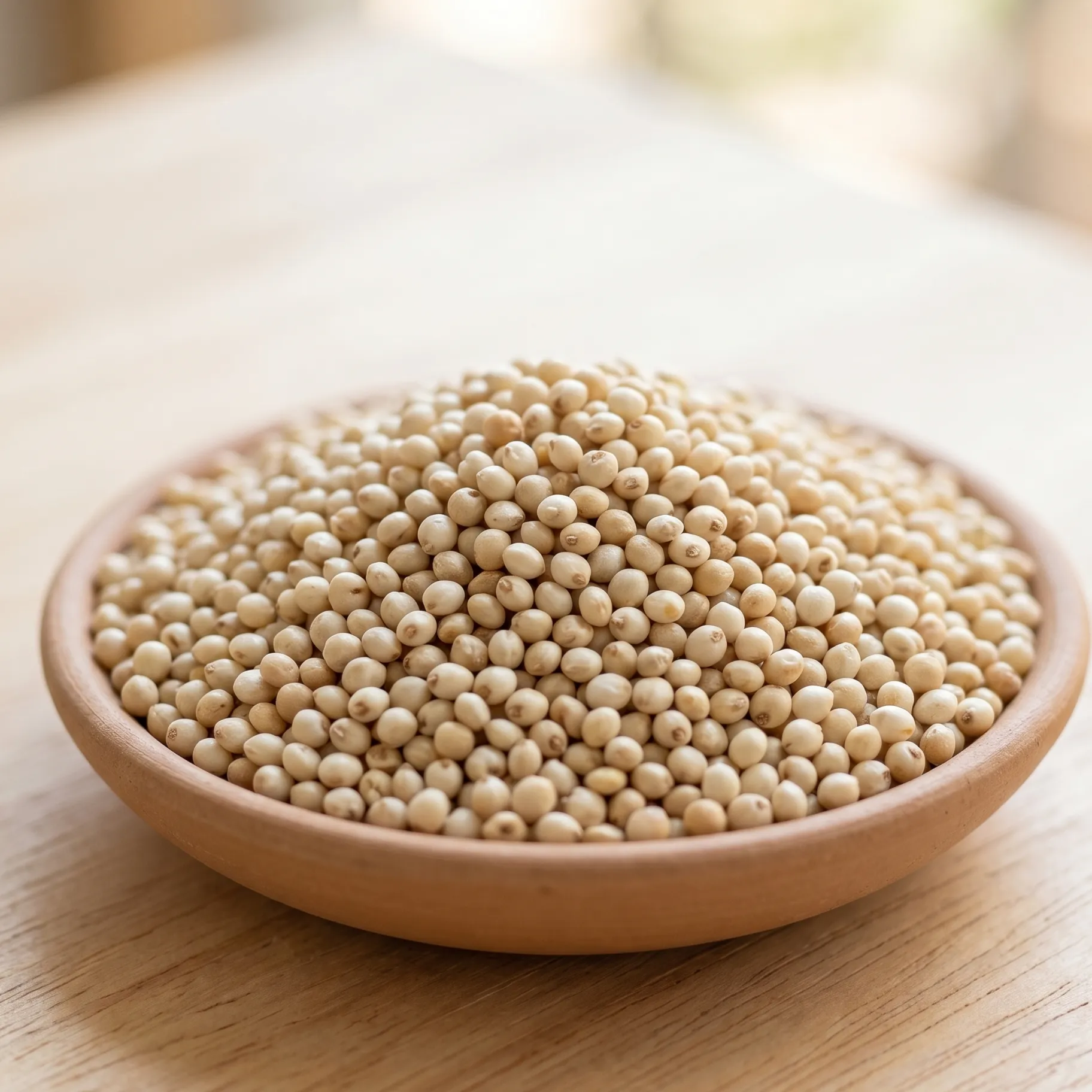
An older Indian kitchen ran on habits nobody called healthy, because nobody called them anything. They were just how food worked. Several of them line up neatly with what nutrition research now says, and a few do not.
Worth being careful here, because this subject attracts a lot of romance. The past was not uniformly better. It was better at five specific things.
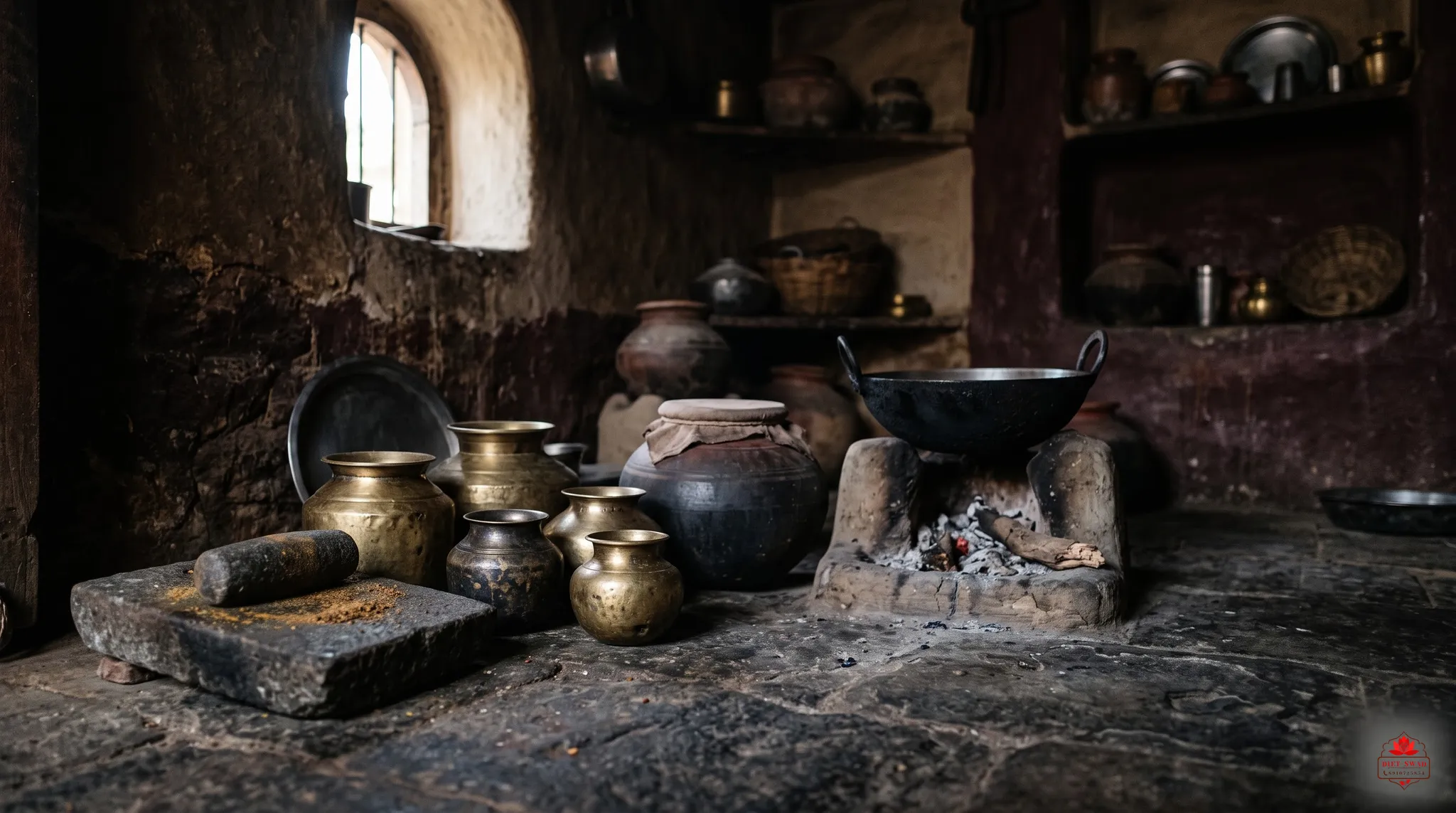
Dadi Nani Ka Khana: 5 Timeless Lessons
The five habits set out one by one with the modern nutrition behind each, plus one practical way to bring every single one of them back into a kitchen that runs on a normal weekday schedule.
Download the guide (PDF)Free, no sign-up, opens straight away.
1. Eating what the season gave you
Sarson in winter, aam in summer, and a great deal of gourd in the monsoon. Not a philosophy. Just what the mandi had.
The nutritional consequence was variety across the year instead of the same ten vegetables every week, which is roughly what a modern supermarket produces. Seasonal produce is also picked closer to ripeness and travels less far, which generally means it tastes of more.
The honest caveat: year-round availability is a genuine improvement, not a loss. Being able to buy a vegetable in a lean month is a good thing. The habit worth keeping is buying what is in season when it is, not refusing everything else.
2. Fermenting almost everything
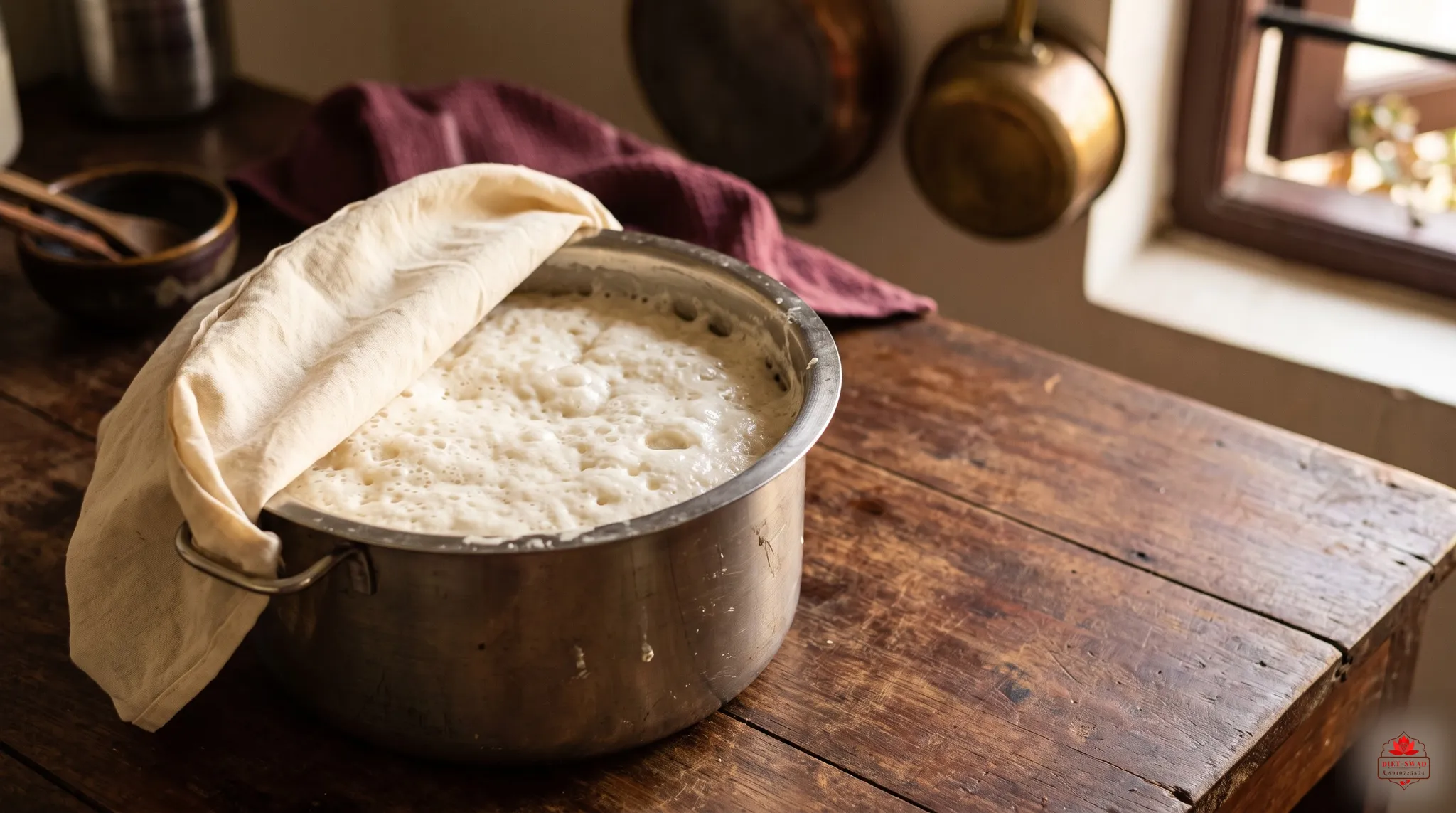
Idli, dosa, dhokla, kanji, curd set fresh at home every night. Fermentation was a preservation method first, in a country with heat and no refrigeration, and the nutrition came along as a side effect.
What it does, in plain terms: the microbes partly break the food down before you eat it, which can make some nutrients easier to absorb. It also reduces phytates, compounds in grains and pulses that bind minerals such as iron and zinc and stop you absorbing them. That is directly relevant if you eat mostly plant iron, which we cover in iron-rich Indian foods.
Worth appreciating the sequence. Soaking dal overnight, fermenting the batter, souring the kanji: none of it was done for nutritional reasons. It was done because it worked and because it kept. The nutrition was discovered afterwards.
3. Ghee, without the argument
A spoon on the roti, a little in the dal, the tadka. Not much, and not a debate.
Ghee then spent decades being condemned as a saturated fat and then rehabilitated as a superfood, and neither campaign was measured. What is true is unremarkable: it is a stable cooking fat, useful at Indian cooking temperatures, calorie-dense, and best used replacing another fat rather than added on top of one. A few teaspoons across a day is ordinary. Our longer take is in is ghee actually healthy.
The older generation's position was simply the sensible one, arrived at without anyone publishing anything.
4. Food you could name
Aata, dal, sabzi, ghee, gur, haldi. If you had asked what was in dinner, the answer was a list of foods, not a list of substances.
This is the habit that maps most exactly onto current thinking. The NOVA classification, which sorts food by how industrially transformed it is, effectively formalises the distinction between food combined with kitchen ingredients and an industrial formulation built from extracted substances. We explain the whole system in what "ultra-processed" actually means.
Dadi was not applying a classification system. She just could not have bought a modified starch if she wanted to.
5. Meals, not grazing
Breakfast, lunch, tea with one snack, dinner. Food was not continuously available, and the kitchen was closed between times.
The clearest benefit here is awareness rather than metabolism. Continuous grazing makes it genuinely hard to notice how much you have eaten, whereas a set structure makes it obvious. This is also why the office drawer matters so much, which comes up in the seven-day snack swap.
Fair caveat: rigid meal timing suits some lives and not others, particularly with shift work, small children or a medical condition. Structure is the point, not the specific clock.
What was not better
A one-sided article here would be dishonest, so:
- Variety was narrower. Fewer proteins, fewer vegetables outside their season, and considerably less choice for anyone with an allergy or a restriction.
- Undernutrition was common. Plenty of households were not choosing between good and bad food, they were managing shortage.
- Deficiencies went undiagnosed. Anaemia in particular was widespread and simply endured, because nobody was testing for it.
- The work was enormous. These habits ran on somebody, usually a woman, cooking for several hours a day. That labour is a real cost and it is usually left out of the nostalgia.
So the useful move is not going back. It is taking the five things that were right and fitting them into a life that also has refrigeration, testing and a job.
Made the older way, in a modern pack
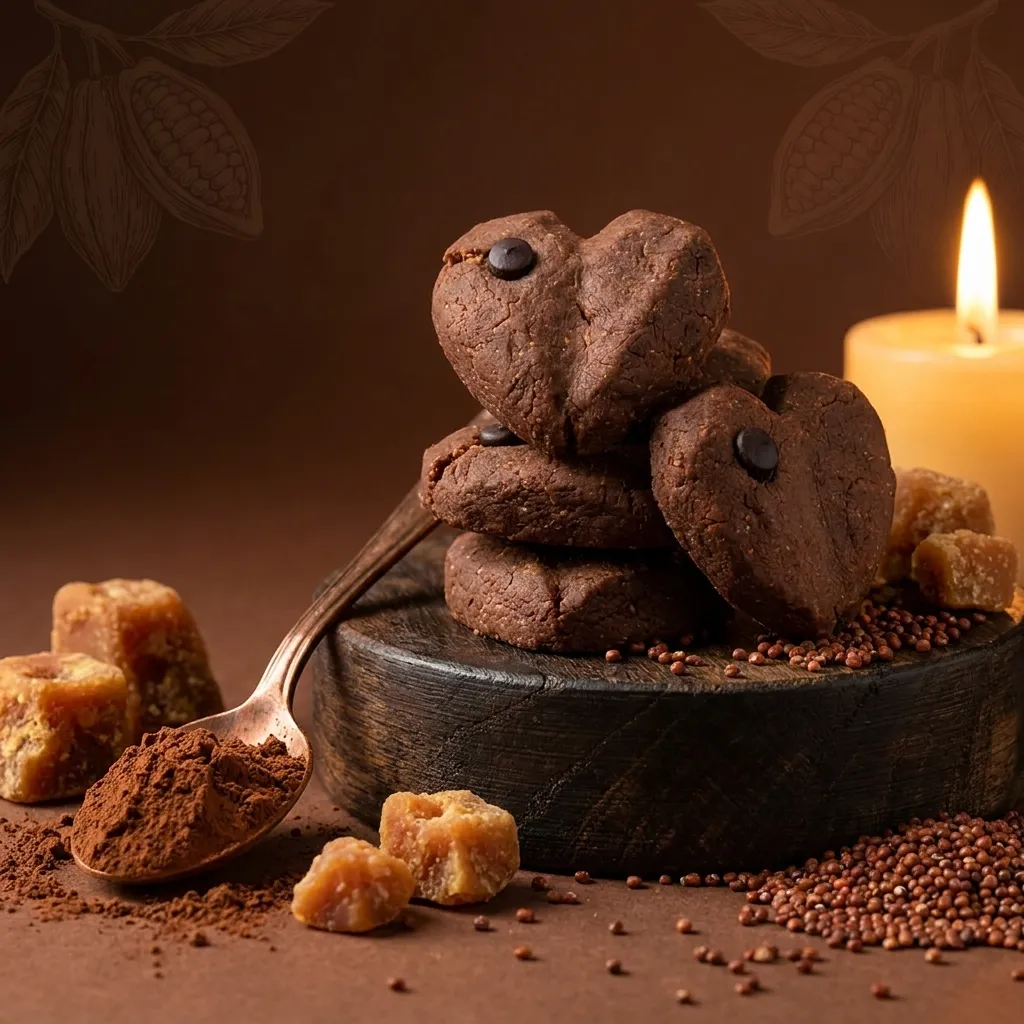
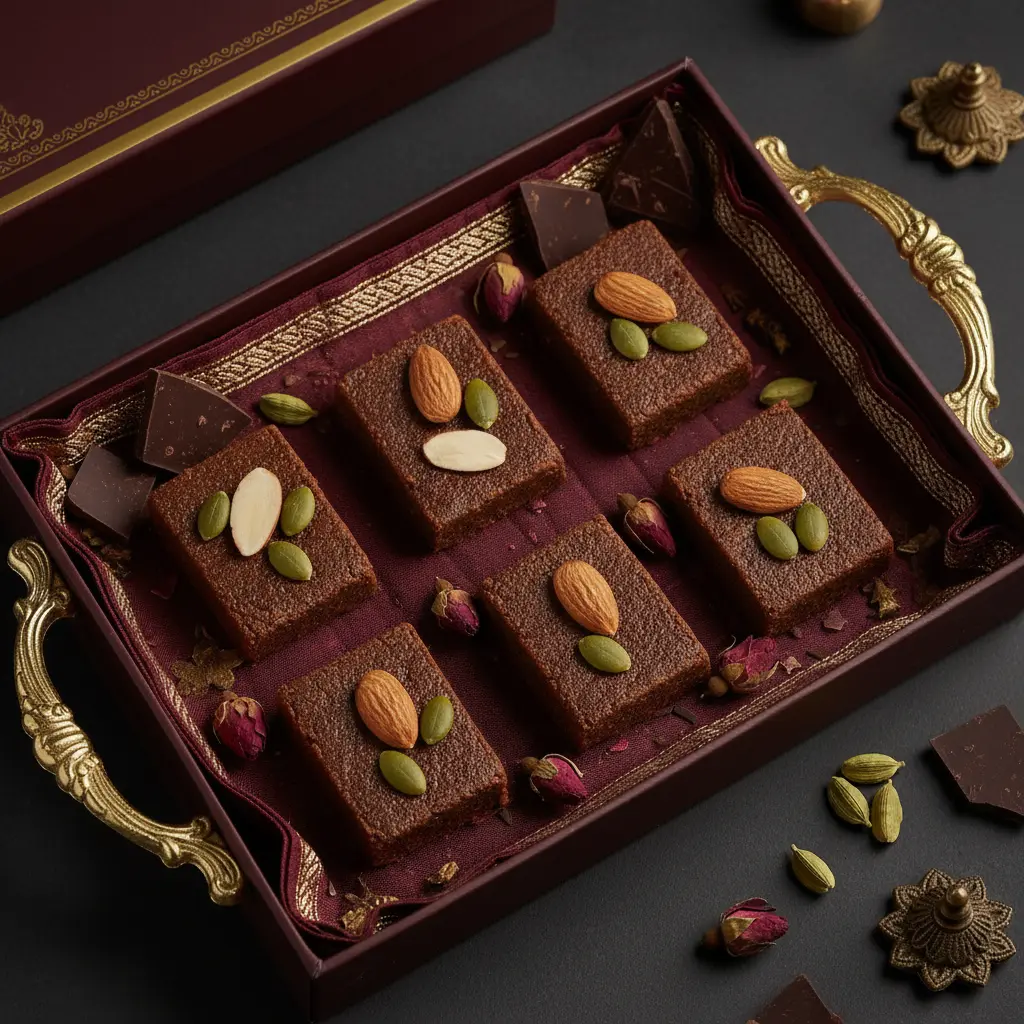
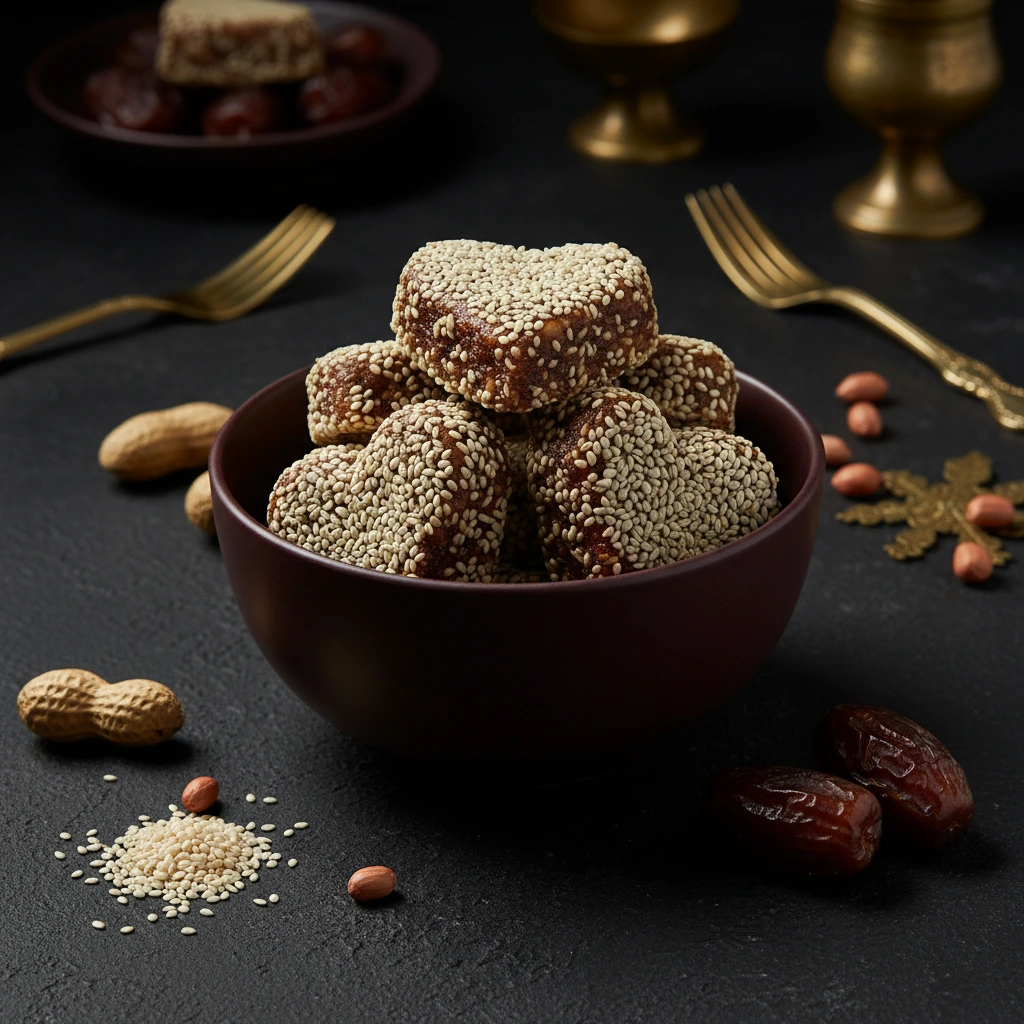
Lesson four is the one we built on. Every ingredient is something you could have found in that kitchen, and the percentages are printed so you can check rather than trust. The other four lessons are yours to run, and none of them require buying anything.
Frequently asked questions
Was traditional Indian food healthier than what we eat now?
In some specific ways, not all of them. Older Indian kitchens used more whole grains and millets, more fermented foods, more seasonal produce and far fewer industrially formulated products. They also had less variety, more manual labour to burn energy, and no reliable answer to shortages. The habits worth keeping are specific, not the whole era.
Why is fermented food good for you?
Fermentation partly breaks down the food before you eat it, which can make some nutrients easier to absorb, and it reduces phytates that otherwise bind minerals such as iron and zinc. Fermented foods also introduce live cultures. Idli, dosa, dhokla, kanji and curd were daily foods long before anyone used the word probiotic.
Should I go back to eating millets instead of rice and wheat?
Adding millets is more realistic than replacing everything. Jowar, bajra and ragi carry more fibre and minerals than polished rice or refined flour, largely because the bran and germ are still present. Swapping one roti or one meal a day is a change most households can sustain, which matters more than a complete switch that lasts a fortnight.
Is ghee actually good for you?
Ghee is a useful cooking fat in small amounts. It is stable at Indian cooking temperatures and carries fat-soluble vitamins, and it is also calorie-dense, so it works best when it replaces another fat instead of being added on top of one. For most adults a few teaspoons across a day is an ordinary amount.
Is eating at fixed times better than snacking through the day?
Set meal times make it far easier to notice how much you have eaten, which continuous grazing does not. Older Indian routines had meals and one tea-time snack, with nothing available in between. The clearest benefit is awareness, not any single metabolic effect.
Take the habits, skip the nostalgia
None of these five needs you to romanticise anything or give anything up. One fermented item a day, one millet meal, ghee instead of a refined oil, ingredients you can name, and meals at roughly set times.
Purana sab kuch behtar nahi tha. Paanch cheezein zaroor thi.
Sources
- ICMR-NIN. Dietary Guidelines for Indians, 2024: on whole grains, millets, fats and dietary diversity. nin.res.in/dietaryguidelines
- Monteiro CA, et al. Ultra-processed foods: what they are and how to identify them. Public Health Nutrition, 2019. pubmed.ncbi.nlm.nih.gov/30744710
- Anjana RM, et al. ICMR-INDIAB national cross-sectional study. The Lancet Diabetes & Endocrinology, 2023: on current prevalence in India. pubmed.ncbi.nlm.nih.gov/37301218
- USDA FoodData Central: comparative fibre and mineral figures for millets, refined flour and polished rice. fdc.nal.usda.gov
General information about food, not medical or dietary advice.