
"Ultra-processed" is not a mood or an insult. It is a specific category from a classification system called NOVA, and it means an industrial formulation built mostly from substances extracted from food, such as oils, starches, sugars and proteins, usually held together by additives you would never find in a kitchen.
That precision matters, because "processed" and "ultra-processed" get used as if they were the same word. They are not. Roasting nuts is processing. Baking bread is processing. Making ghee is processing. None of that is what the research is talking about.
The four groups, in plain language
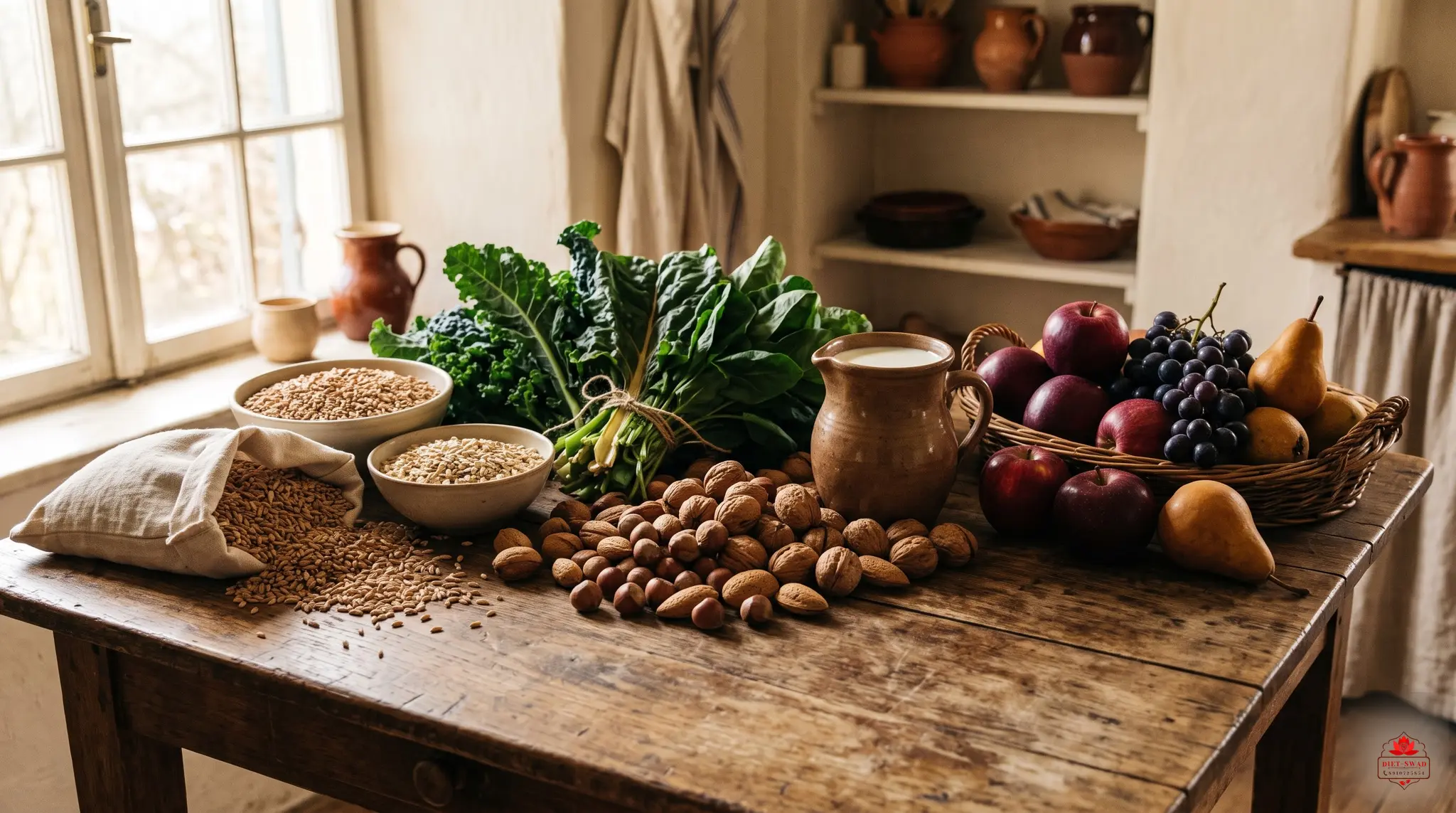
NOVA was developed by Carlos Monteiro's team at the University of São Paulo and published in Public Health Nutrition. It sorts food by how much industrial transformation it has been through, not by how healthy anyone thinks it is. There are four groups.
- Group 1, unprocessed or minimally processed. Fresh and dried fruit, nuts, grains, milk. Food that has been cleaned, dried, roasted or chilled, but not had anything added.
- Group 2, culinary ingredients. The things you cook with: oils, butter, ghee, sugar, salt, jaggery. Rarely eaten on their own.
- Group 3, processed foods. Group 1 plus Group 2. Bread, cheese, a simple baked good. Real food combined with kitchen ingredients.
- Group 4, ultra-processed. Industrial formulations made mostly from extracted substances, or from things synthesised in a lab, and built to be intensely palatable.
Most home cooking lands in Group 3. Most of what fills a modern snack aisle lands in Group 4. Farak Group 3 aur Group 4 ke beech hai, cooking aur not-cooking ke beech nahi.
The one-line test. The NOVA researchers give a practical shortcut: a product is Group 4 if its ingredient list contains at least one marker of industrial food. Those markers are high-fructose corn syrup, hydrogenated or interesterified oils, hydrolysed proteins, and cosmetic additives such as flavours, flavour enhancers, colours, emulsifiers, non-sugar sweeteners and thickeners. One is enough.
Why "hyper-palatable" is the point
Group 4 foods are engineered to be extremely easy to keep eating. That is not an accident or a conspiracy, it is the design brief. Get the salt, sugar, fat and texture into the right combination and the food stops producing the natural "that's enough" signal that ordinary food produces.
One caution on language, because it gets overstated: describing ultra-processed food as "addictive like a drug" goes beyond what the science supports. The honest version is that these foods are built to be easy to overeat, which is a smaller claim and a better documented one.
What the research actually found
Here is where being careful is worth more than being dramatic.
The large observational evidence
A 2024 umbrella review in The BMJ pooled 45 meta-analyses covering roughly 9.9 million participants, and reported consistent associations between higher ultra-processed food intake and a long list of adverse health outcomes. That is a serious body of evidence and worth knowing about.
But it is observational, which means it shows things occurring together, not one causing the other. People who eat a great deal of ultra-processed food also tend to differ in income, cooking time, sleep and much else. Good studies adjust for this. No adjustment is perfect.
The one controlled trial
The more striking study is a 2019 randomised controlled trial published in Cell Metabolism by Kevin Hall's team. Twenty adults lived in a research ward and ate either an ultra-processed or a minimally processed diet for two weeks each, then swapped. The two diets were matched for calories presented, sugar, fat, fibre and macronutrients, and people could eat as much as they liked.
On the ultra-processed diet they ate about 500 calories a day more, and gained around 0.9 kg. On the minimally processed diet they lost about the same. Same nutrients on paper, very different eating.
It is the strongest single piece of evidence here because it is a controlled experiment rather than a survey. It is also 20 people for two weeks, which is small. Both things are true at once.
What India's own guidance says
The ICMR-NIN Dietary Guidelines for Indians 2024 include Guideline 15, which advises minimising foods high in fat, sugar and salt along with ultra-processed foods. The named list to restrict includes biscuits, cookies, cakes, pastries, breakfast cereals, cool drinks, health drinks and packaged fruit juices.
Worth being straight about this, since we sell cookies: "cookies" appears on that list, and we are not going to pretend it does not. A guideline written for a whole population cannot inspect ingredient lists one by one. What it can do is tell you where the risk usually sits. The useful response is not to argue with the category, it is to read what is actually in the packet.
So is all packaged food bad?
No, and that framing is what makes this subject so confusing. Drying, roasting, baking, grinding and sealing are all ancient and useful. A sealed packet of roasted nuts is Group 1 or 3 food in a bag.
The distinction worth carrying around is not homemade versus packaged, or fresh versus preserved. It is whether the thing in your hand is food combined with kitchen ingredients, or an industrial formulation assembled from extracted substances. The ingredient list answers that in about ten seconds.
Where our own range sits, honestly
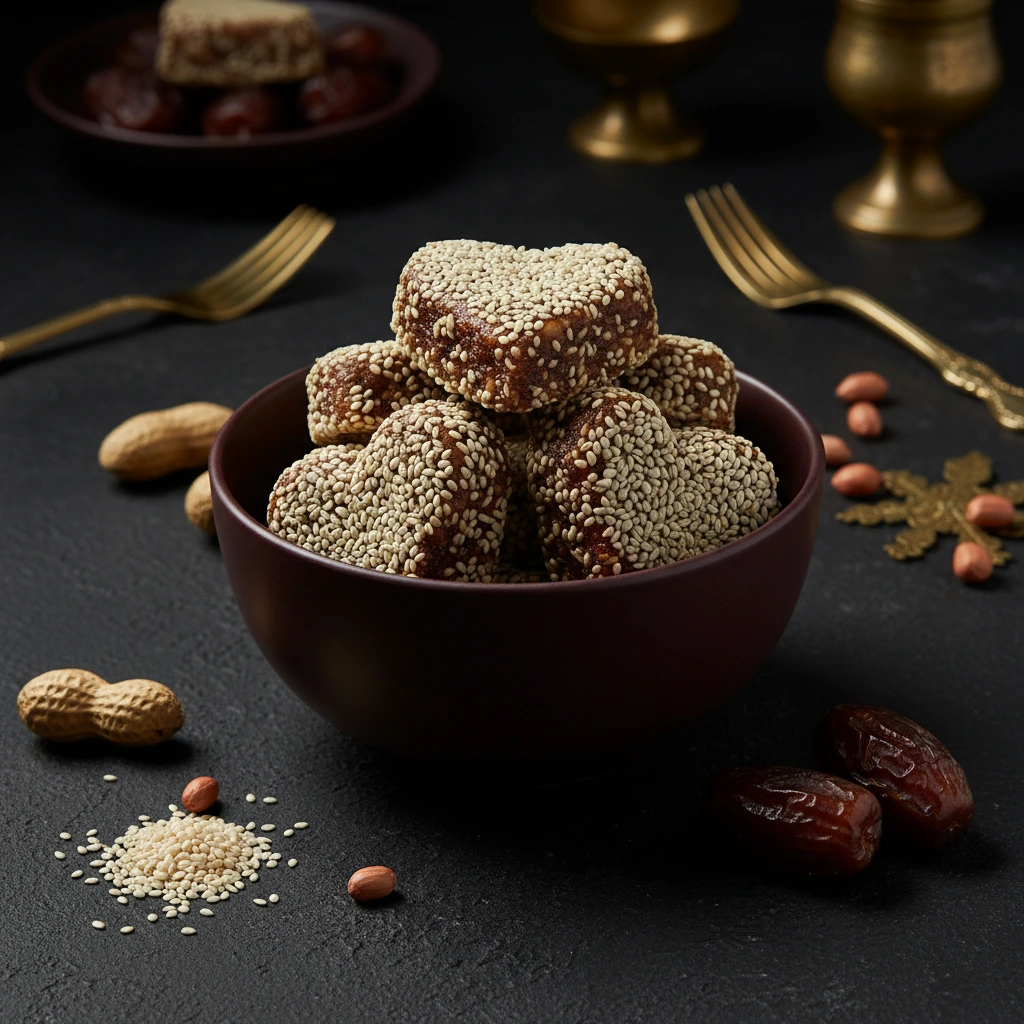
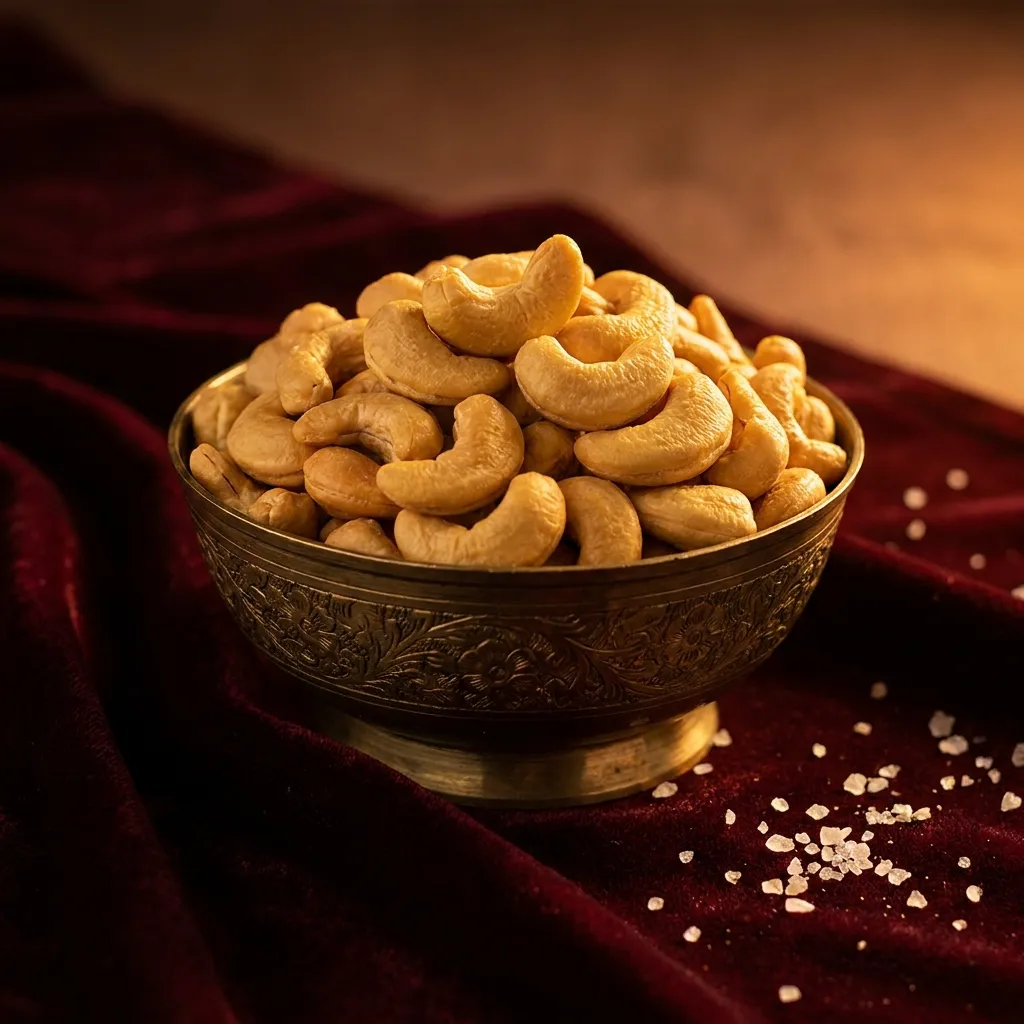
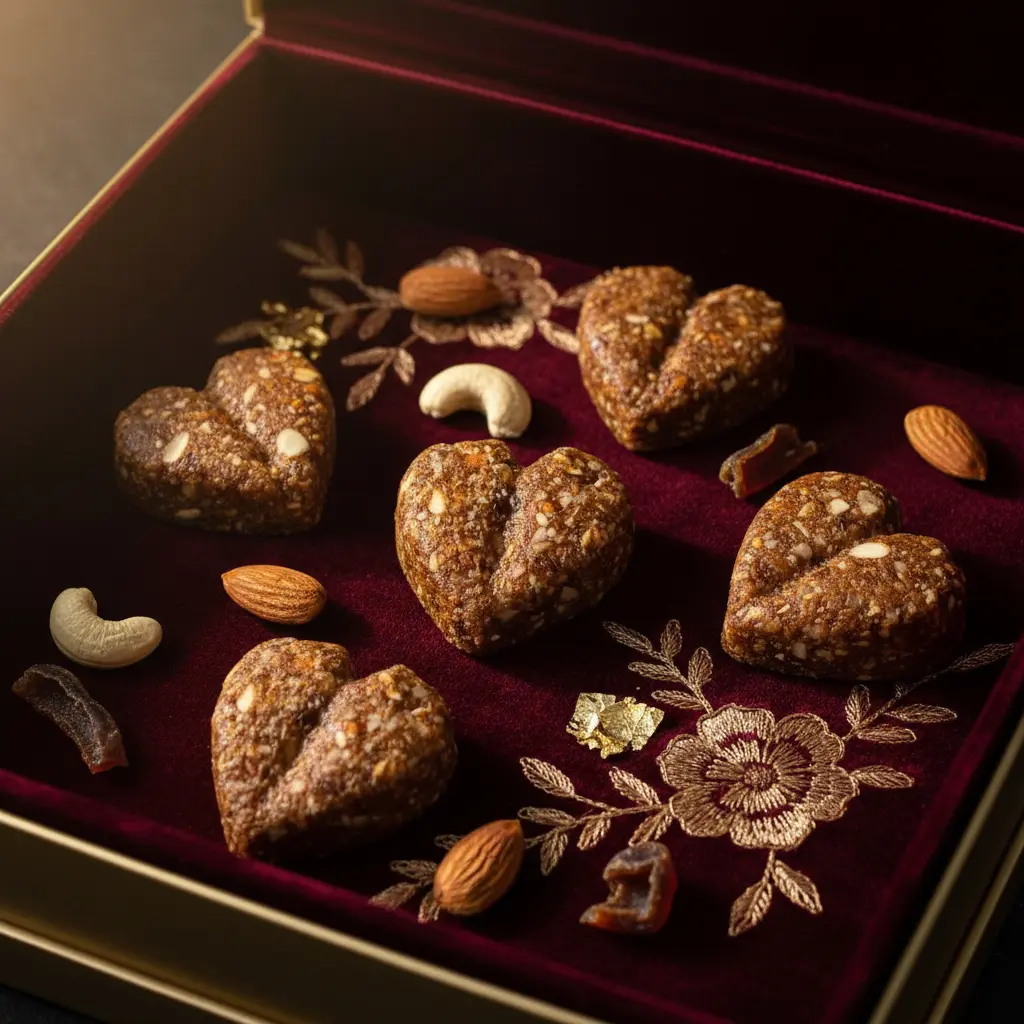
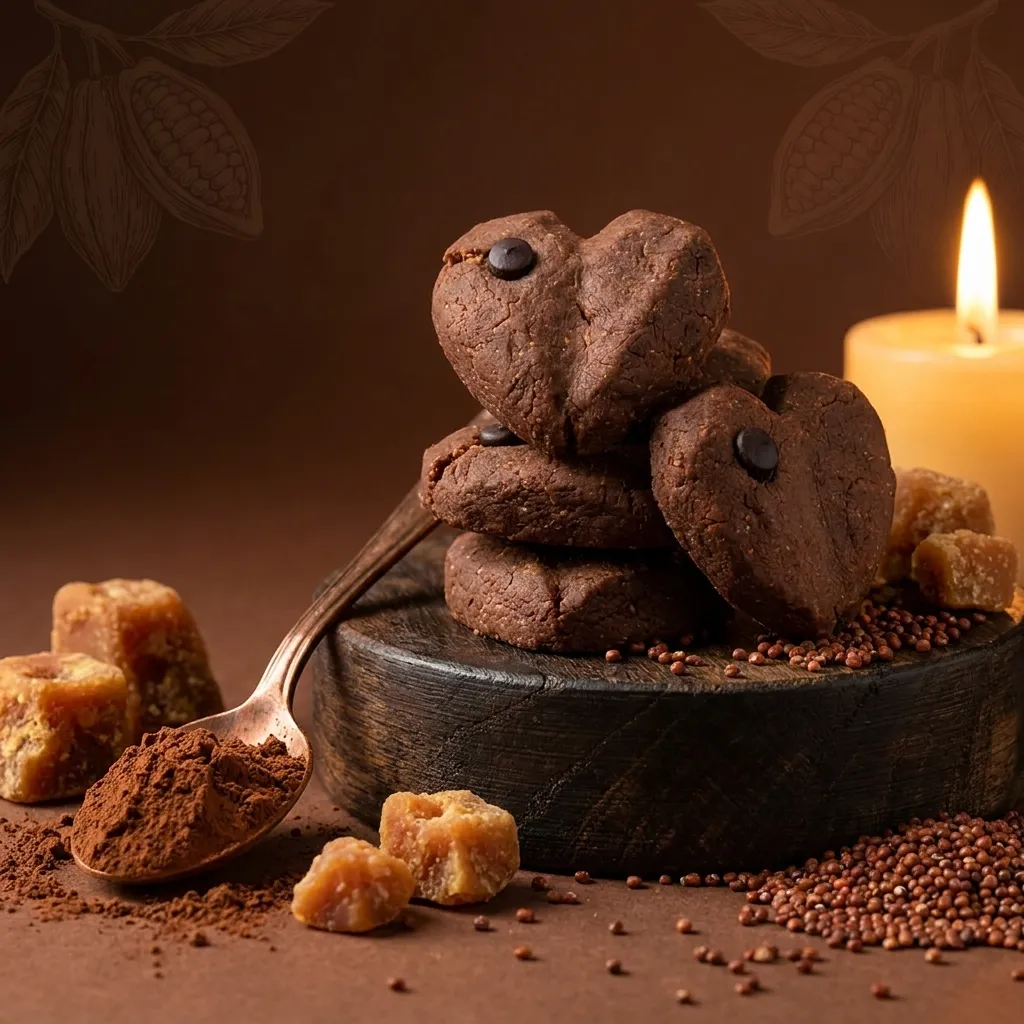
By the NOVA test our products are Group 3, because they are ordinary foods combined with ordinary kitchen ingredients and carry none of the Group 4 markers. That is a statement about how they are made, not a health claim. They are still energy-dense, still sweet, and a portion is still a portion.
Frequently asked questions
What does ultra-processed food actually mean?
It is a specific category from the NOVA classification, developed by a research team at the University of São Paulo. Ultra-processed food means an industrial formulation built mainly from substances extracted from foods, such as oils, starches, sugars and proteins, usually combined with additives like flavours, colours, emulsifiers and sweeteners. It is not a synonym for cooked, packaged or preserved.
What is the difference between processed and ultra-processed food?
Processed food is ordinary food combined with ordinary kitchen ingredients, such as bread, cheese, or a biscuit made from flour, fat and a sweetener. Ultra-processed food contains ingredients you would never keep in a home kitchen, such as modified starch, hydrolysed protein, emulsifiers or flavour enhancers. Roasting, baking and preserving do not by themselves make a food ultra-processed.
How can I tell if a food is ultra-processed?
Read the ingredient list and look for markers of industrial food production: high-fructose corn syrup, hydrogenated or interesterified oils, hydrolysed proteins, and cosmetic additives such as flavours, flavour enhancers, colours, emulsifiers, non-sugar sweeteners and thickeners. The presence of at least one of these markers is the practical test described by the NOVA researchers.
Does the research prove ultra-processed food is harmful?
Most of the evidence is observational, which shows association rather than proof of cause. A 2024 umbrella review in The BMJ, covering about 9.9 million participants, reported consistent associations between higher intake and a range of adverse outcomes. One controlled feeding trial published in Cell Metabolism in 2019 found participants ate roughly 500 calories a day more on an ultra-processed diet than on a minimally processed one, which is stronger evidence but from a small study of 20 people.
What does the Indian government say about ultra-processed food?
The ICMR-NIN Dietary Guidelines for Indians 2024, in Guideline 15, advise minimising consumption of foods high in fat, sugar and salt as well as ultra-processed foods. The guideline names biscuits, cookies, cakes, pastries, breakfast cereals, cool drinks, health drinks and packaged fruit juices among the foods to restrict.
One word, used properly
The reason to learn this distinction is not so you can label things. It is so the phrase stops being a vague worry and becomes a question you can actually answer while holding a packet.
Is this food combined with kitchen ingredients, or is it a formulation? Ingredient list padho, jawab mil jaayega.
Related reading: the 60-second label routine turns that question into a habit, and the ten-item kitchen breakdown applies it to things already in your house.
Sources
Each of these is linked so you can check the numbers yourself rather than taking ours.
- Monteiro CA, et al. Ultra-processed foods: what they are and how to identify them. Public Health Nutrition, 2019. pubmed.ncbi.nlm.nih.gov/30744710
- FAO. Ultra-processed foods, diet quality and health using the NOVA classification system. 2019. openknowledge.fao.org
- Lane MM, et al. Ultra-processed food exposure and adverse health outcomes: umbrella review. The BMJ, 2024;384:e077310. pmc.ncbi.nlm.nih.gov/articles/PMC10899807
- Hall KD, et al. Ultra-Processed Diets Cause Excess Calorie Intake and Weight Gain. Cell Metabolism, 2019;30(1):67–77. pubmed.ncbi.nlm.nih.gov/31105044
- ICMR-NIN. Dietary Guidelines for Indians, 2024: Guideline 15. nin.res.in/dietaryguidelines
Most of the evidence above is observational, which shows association rather than proof of cause. The Hall trial is the exception, and it is small.