

A swap is not giving something up. It is keeping the habit and changing what fills it. If you want something crunchy at four o'clock, you still get something crunchy at four o'clock. Only the thing doing the crunching changes.
That distinction is the entire reason this works when a diet does not. Aadat wahi, cheez alag.
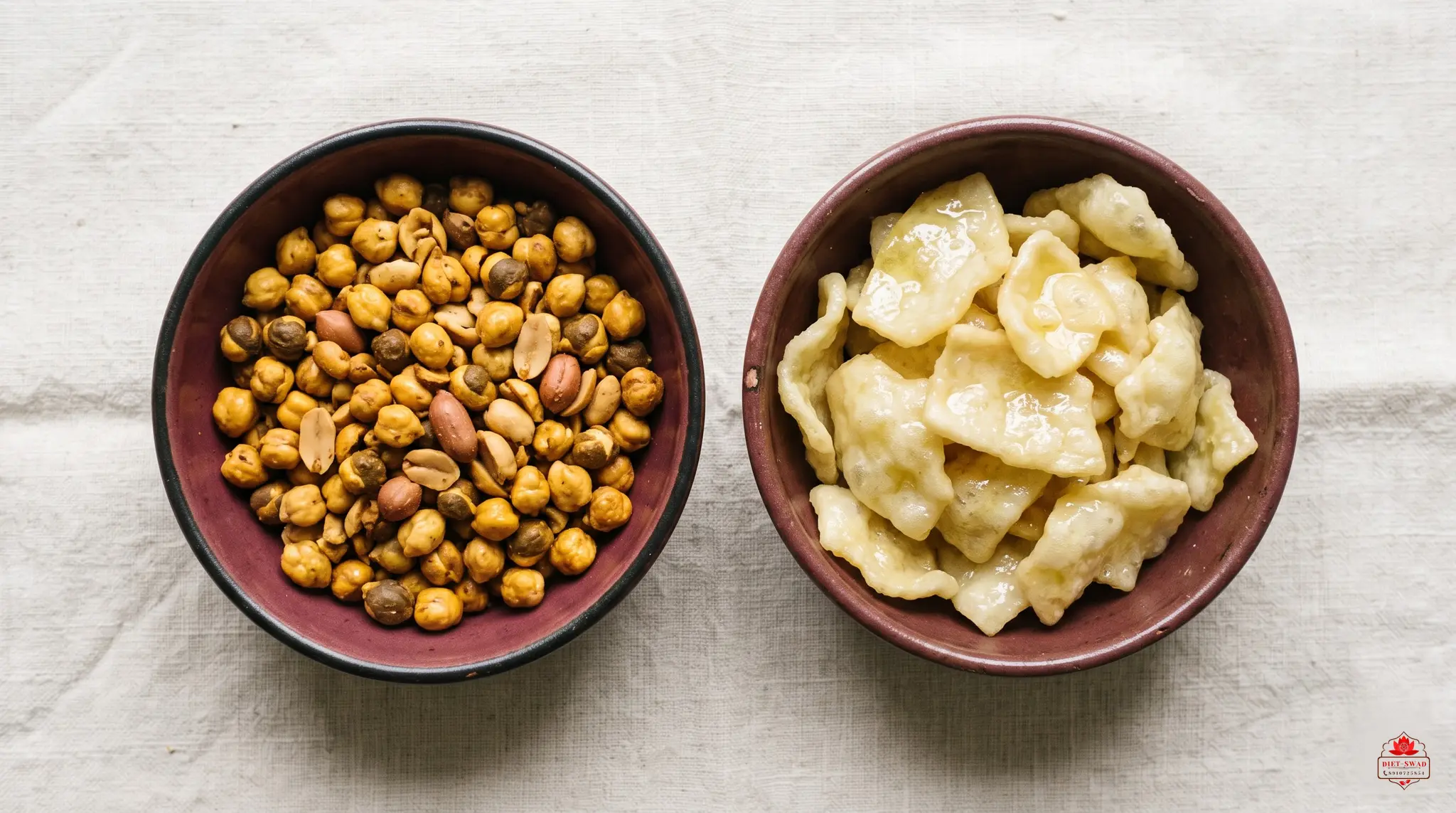
The 7-Day Snack Swap Challenge
The full seven days laid out as a table you can stick on the fridge, what each swap replaces and why, what changes by day seven, and the budget notes showing this can be done for well under ₹100 a day.
Download the guide (PDF)Free, no sign-up, opens straight away.
Why one a day, and not all of them
Because complete overhauls fail. Almost everyone reading this has started a Monday with a plan to fix everything and abandoned it by the following Tuesday, which is not a failure of willpower so much as a design fault.
One change is small enough to survive a bad day. It is also small enough that you notice whether it actually worked, which a total overhaul never lets you do. And every swap that sticks makes the next easier, because you have proved to yourself that a swap can stick.
The rule for the whole week: do not remove a snack, replace it. Removing creates a gap, and by evening the gap gets filled by whatever is nearest, which is usually the thing you were avoiding.
The seven days
Day 1: the biscuit with chai
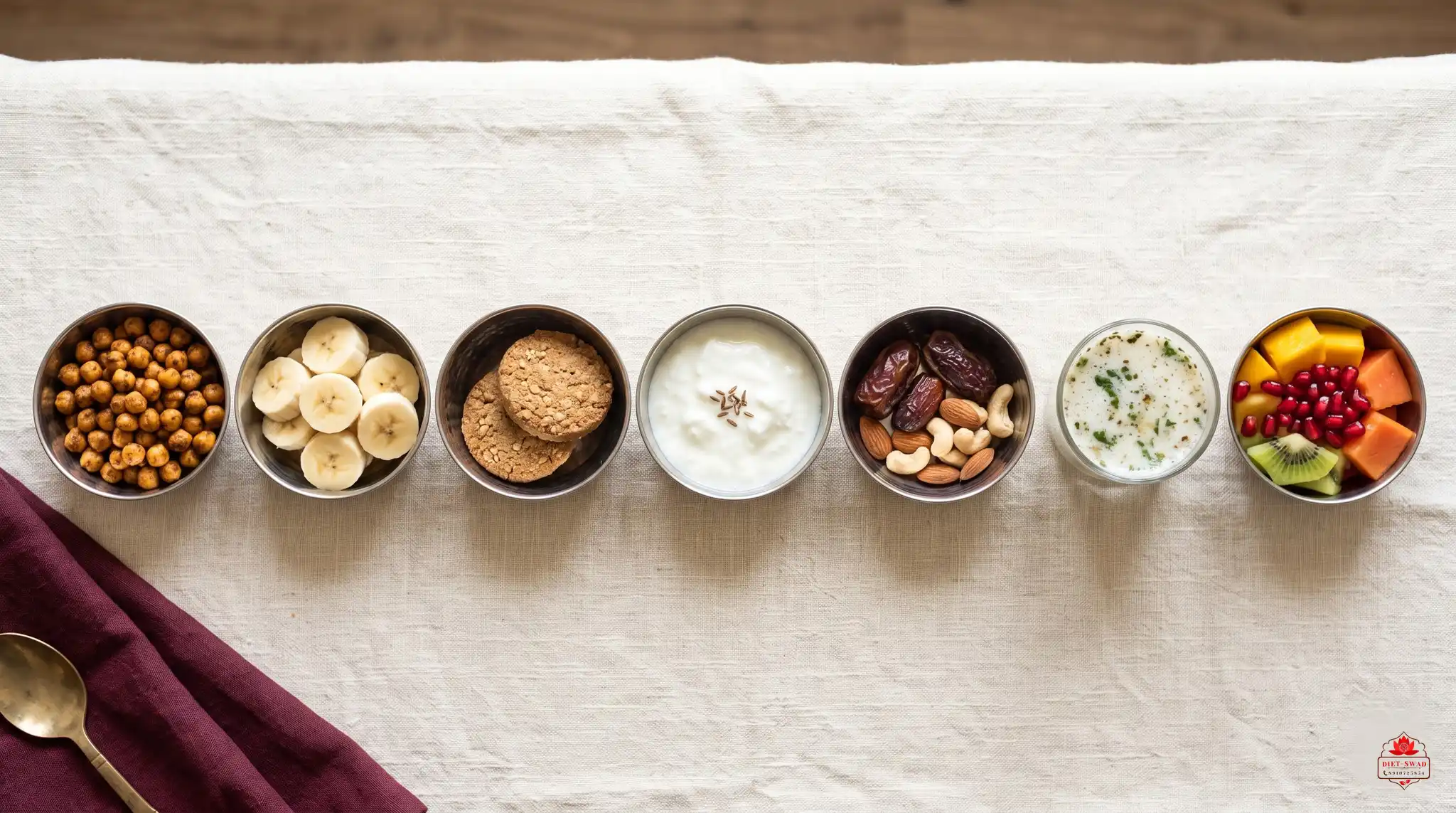
The most common snack in India and the easiest to change. Swap two refined-flour biscuits for two grainy ones, or for a small handful of roasted chana, or a couple of khakhra. The ritual is untouched. The maida is what leaves.
Day 2: the 4 pm crunch
Fried packet out, roasted in. Roasted chana, makhana, plain peanuts, or roasted til. You are after salt and crunch, and all of these deliver both without the deep frying and the accompanying oil.
Day 3: the sweet after lunch
Instead of a mithai or a chocolate bar, have two dates, or a date-and-nut bite, or fruit. The sweetness is still there. What changes is that it arrives with fibre attached, so it does not spike and drop the way refined sugar does. More on why in dates and blood sugar.
Day 4: the cold drink
The single largest sugar swap available to most people. A bottled soft drink carries a great deal of sugar and essentially nothing else. Replace it with nimbu paani, chaas, coconut water or plain water with lemon. If you only keep one change from this whole week, keep this one.
Day 5: the office drawer
This is a stocking change rather than an eating one. Whatever lives in your desk drawer or bag is what you eat when you are busy and unthinking. Put a jar of nuts, some roasted chana or a couple of bites there, and remove what is currently in it. Distance beats willpower every time.
Day 6: the late-night one
Swap the sweet or fried late snack for a small handful of nuts, curd, or warm milk. Keep it small. We go into why the craving turns up at all in late-night cravings.
Day 7: read one label
Not an eating swap. Pick one packet you buy every week and read the first three ingredients on the back. Just one. It changes how you shop far more than a rule would, and it is the habit the rest of this blog is really about.
What actually changes by day seven
Being straight about this, because the fitness internet is not.
What you can reasonably expect: steadier energy through the afternoon, fewer sharp cravings, and a clearer sense of which of your old snacks were leaving you hungry an hour later. The replacements carry more fibre, protein and fat, so they release energy more slowly. That difference is noticeable within days.
What you should not expect: visible weight change. Seven days is not long enough, and anyone promising otherwise is selling something. The honest outcome of this week is a few habits that hold, which is worth considerably more over a year than a dramatic seven days would be.
The cost question
The assumption that eating better costs more is often wrong, and worth checking against actual prices.
- Cheaper than the packet they replace: roasted chana, peanuts, seasonal fruit, poha, homemade chaas and nimbu paani. Some of the cheapest food in the country.
- About the same: makhana, khakhra, curd.
- More per kilogram: nuts, dates, almonds. But a portion is a handful of roughly 30 g, so the cost per snack stays modest even when the kilogram price does not.
Most of this week costs less than the week before it. The exception is if you replace everything with almonds, which is nobody's plan.
If you want the swap ready-made

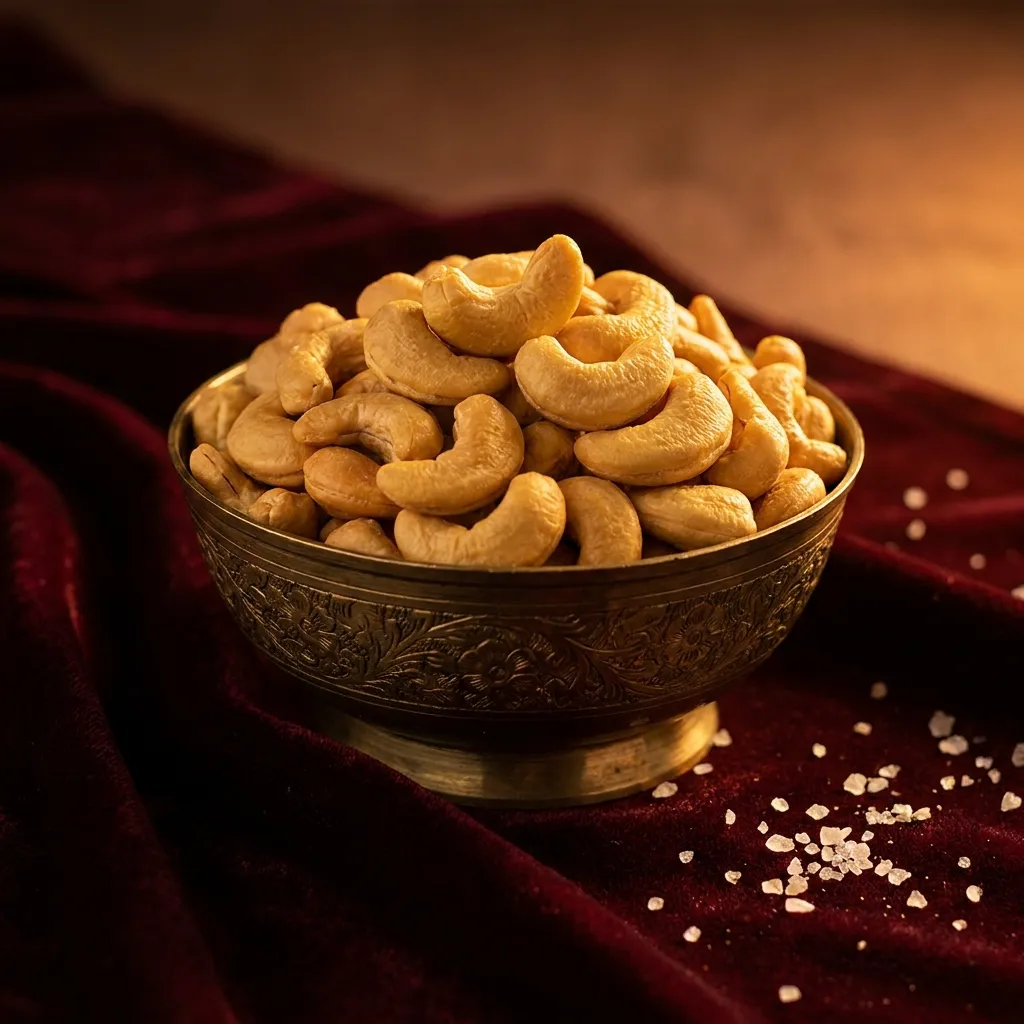

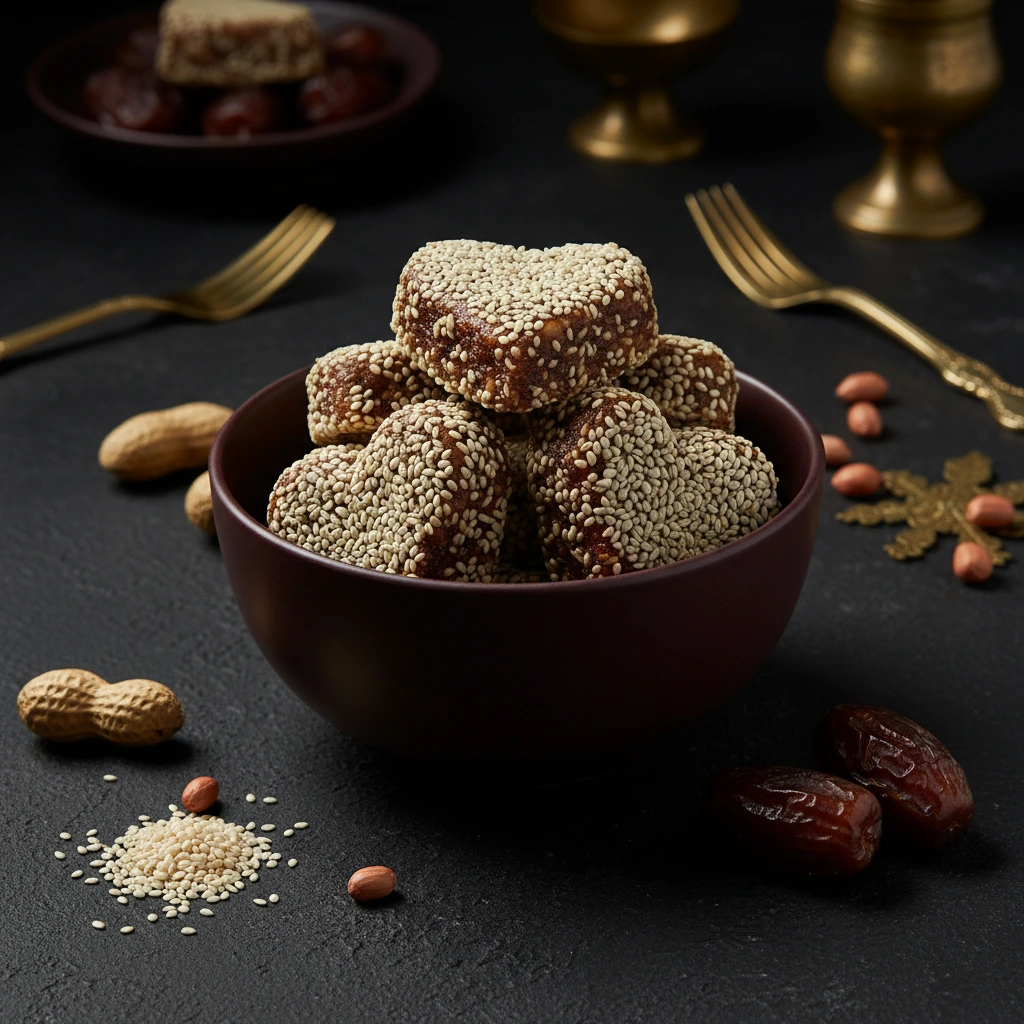
Worth saying plainly: roasted chana and a banana will do most of this week perfectly well, and cost less. We make these because a ready-made version is genuinely more convenient, not because the cheap options do not work.
Frequently asked questions
What is a snack swap?
Replacing one snack you already eat with a better version of the same thing, rather than removing it. If you eat something crunchy at four in the afternoon, a swap keeps the four o'clock crunch and changes only what is doing the crunching. It works because it does not ask you to give up a habit, only to redirect it.
Why change one snack a day instead of everything at once?
Because complete overhauls tend to collapse within a fortnight. One change is small enough to survive a bad day, and each swap that sticks makes the next one easier. Seven small changes kept is a far better outcome than twenty attempted and abandoned.
What can I expect after a week of snack swaps?
Most people notice steadier energy through the afternoon and fewer sharp cravings, mainly because the replacements contain more fibre, protein and fat and so release energy more slowly. Do not expect visible weight change in seven days. The realistic outcome is a few habits that hold and a clearer sense of what your old snacks were doing.
Does eating healthier snacks cost more?
Not necessarily. Roasted chana, peanuts, seasonal fruit, poha and homemade chaas are among the cheapest food in India and beat most packeted snacks on cost per serving. Nuts and dates are more expensive per kilogram, but a portion is a handful, so the per-snack cost stays modest.
What if I miss a day?
Carry on from where you left off rather than restarting. The plan is a sequence of independent changes, not a streak, so a missed day costs you that one swap and nothing else. Treating a lapse as a failure is the most common reason people abandon the whole thing.
Keep the two that stuck
Nobody keeps all seven, and the plan does not need you to. If two of them are still happening in a month, the week did its job.
Pick the two that were easiest rather than the two you think you ought to keep. Jo aasaan laga, wahi chalega.
Sources
- ICMR-NIN. Dietary Guidelines for Indians, 2024: Guideline 15 on foods high in fat, sugar and salt. nin.res.in/dietaryguidelines
- Hall KD, et al. Ultra-Processed Diets Cause Excess Calorie Intake and Weight Gain. Cell Metabolism, 2019. pubmed.ncbi.nlm.nih.gov/31105044
- USDA FoodData Central: comparative figures for chana, peanuts, makhana, dates and curd. fdc.nal.usda.gov
General information about food, not medical or dietary advice.