
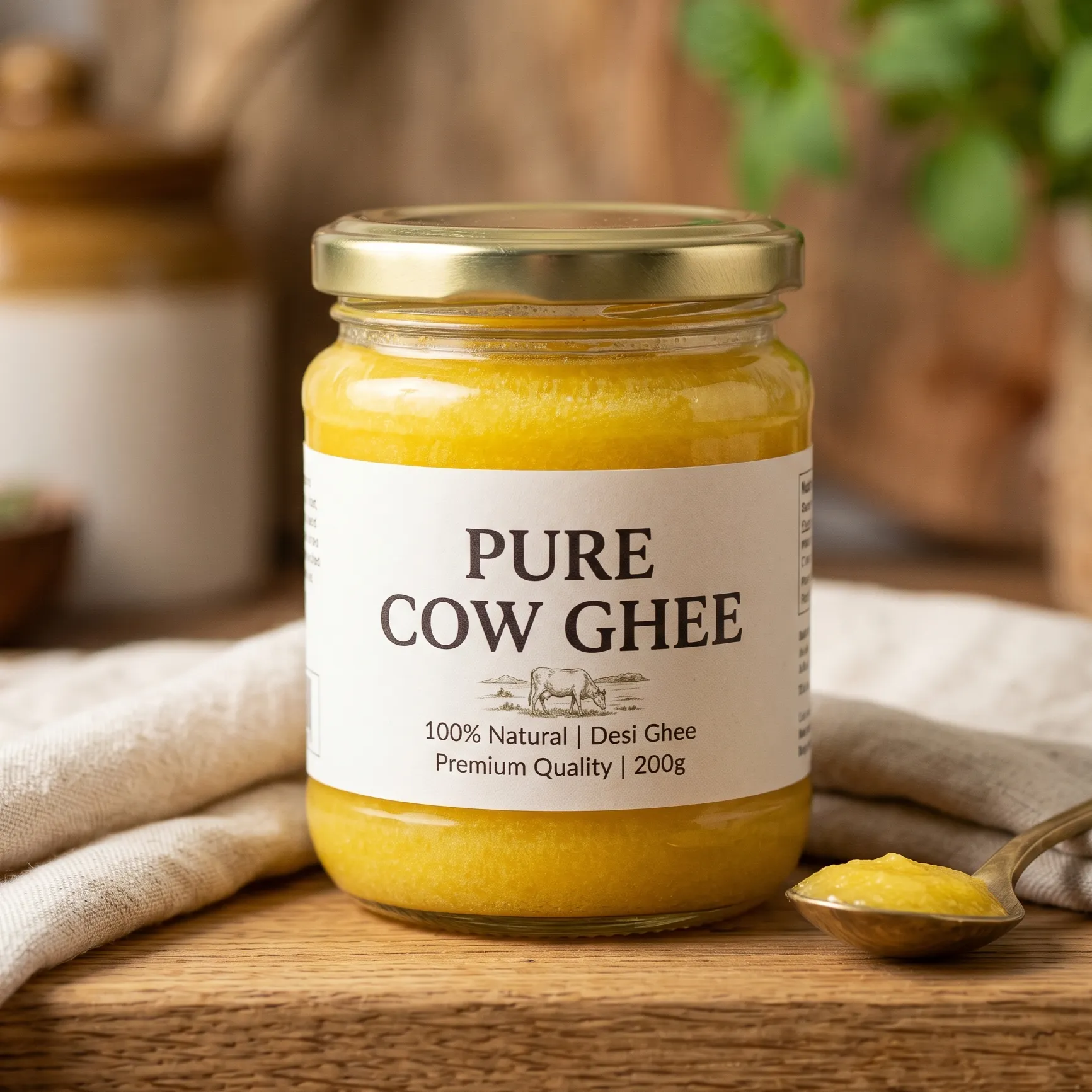
Ghee is a good fat in small amounts. It is not a health tonic and it is not poison. That middle position happens to be the honest one, and it is the least popular, because both of the extremes sell far better than it does.
Here is the thing worth noticing: ghee itself never changed. For generations it was simply food. Then it became the villain. Now it is a superfood. Ghee wahi ka wahi hai. Sirf advice do baar badli hai.
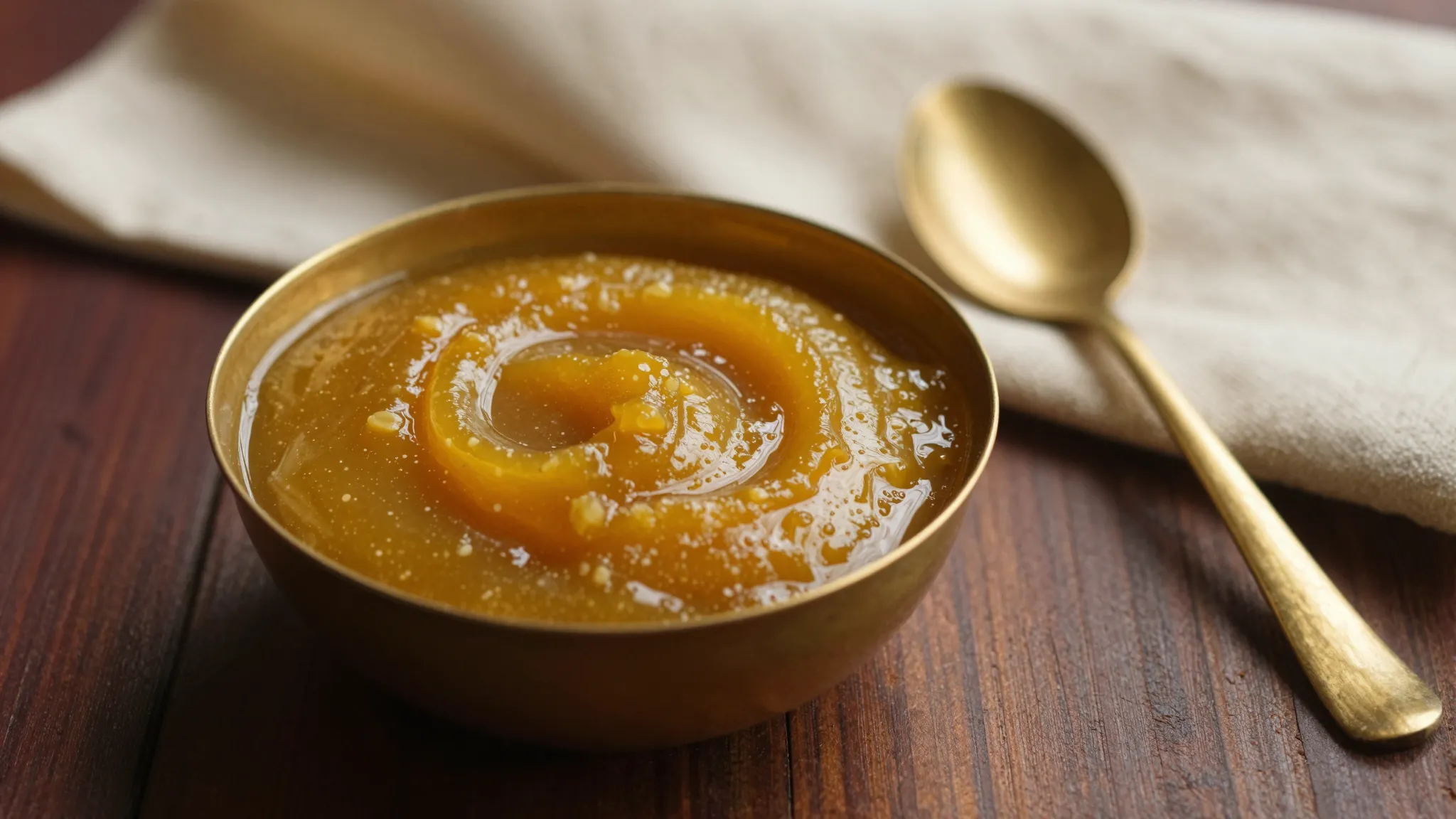
Ghee Ka Poora Sach
All five myths side by side with what is actually known, plus the part this article only touches: how much is a sensible daily amount, the everyday ways to use it, and the buying test that tells real ghee from a smooth waxy imitation.
Download the guide (PDF)3 pages. Free, no sign-up, opens straight away.
What ghee actually is, in one paragraph
Butter is heated gently until the water evaporates and the milk solids separate out and settle at the bottom. Those solids are strained away, and what is left is pure golden fat. Bas, wahi ghee hai. Nothing is added at any point.
That is also why good ghee keeps for months without a single preservative, and why "clarified" is a much less mystical word than it sounds. It only means the water and the milk solids have been taken out.
The five myths
"Ghee makes you fat"
Weight comes from how you eat overall, not from one ingredient in the kitchen. A teaspoon or two a day is an ordinary amount of fat. The actual problem is the person eating spoonfuls straight from the jar because the internet called it a superfood.
"Refined oil is safer than ghee"
Ghee is very stable at the temperatures Indian cooking actually uses, which is exactly why it has handled tadka and frying in this country for centuries. Several refined oils cope less well with hard, repeated heating.
"Ghee is bad for the heart"
That blanket fear came from older, broad-brush advice about saturated fat. Current thinking is far more nuanced and looks at the whole diet rather than one ingredient. And if you have a heart condition or high cholesterol, that is a conversation for your doctor, not for a reel and not for us.
"No ghee if you are lactose intolerant"
Ghee is clarified, so the milk solids come out during the making. Many people who react to milk tolerate ghee comfortably. If dairy affects you badly, test carefully or ask your doctor first.
"Ghee is just fat, no nutrients"
It carries the fat-soluble vitamins A, D, E and K, along with butyrate. Genuinely useful. But at the amounts anyone actually eats, treat that as a bonus, never as a reason to eat more of it.
Seedhi baat: do not start eating spoons of ghee because it trended. Do stop being scared of the teaspoon on your roti. Poori baat itni hi hai.
How to use it
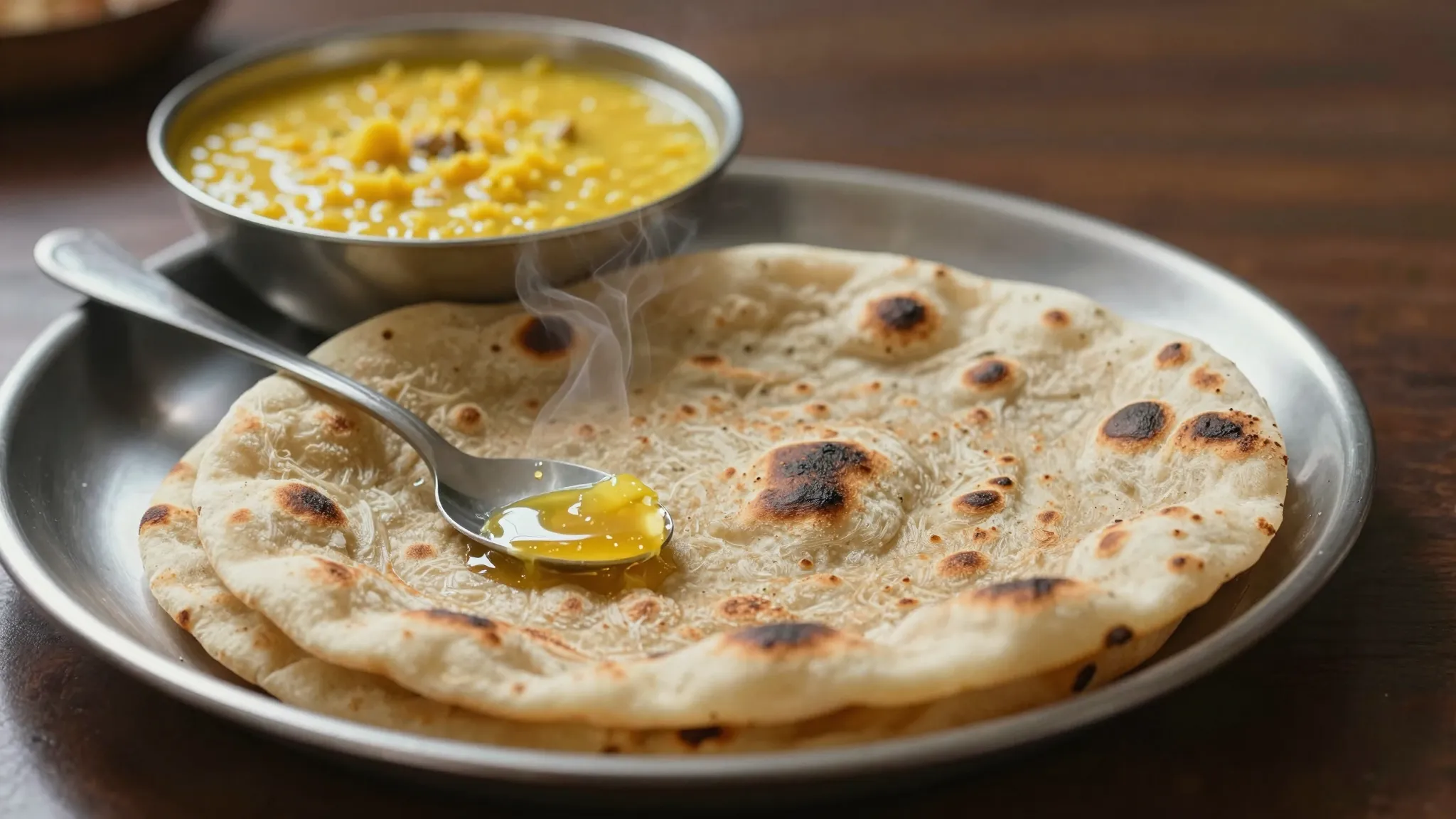
The classic use is still the best one: a teaspoon on hot roti or rice. Fat helps your body absorb the vitamins in the sabzi sitting next to it, so it is doing something useful rather than just tasting good.
For tadka and shallow frying it handles Indian cooking heat well and tastes better than most neutral oils. The important word, though, is instead. Ghee should replace a spoon of refined oil, not join it. Yeh wala step most people skip.
The guide above puts a number on sensible daily use and adds the buying test, which is the genuinely practical bit: real ghee turns grainy when it sets and smells nutty, while a perfectly smooth waxy tub deserves a second look at its label.
Why there is real ghee in our bites
We use real cow ghee in three products, and no hydrogenated substitute, no palm oil, anywhere in the range.
- Power Bites carry ghee at 5.4%, alongside Arabian dates at 53.8% doing the sweetening. No refined sugar.
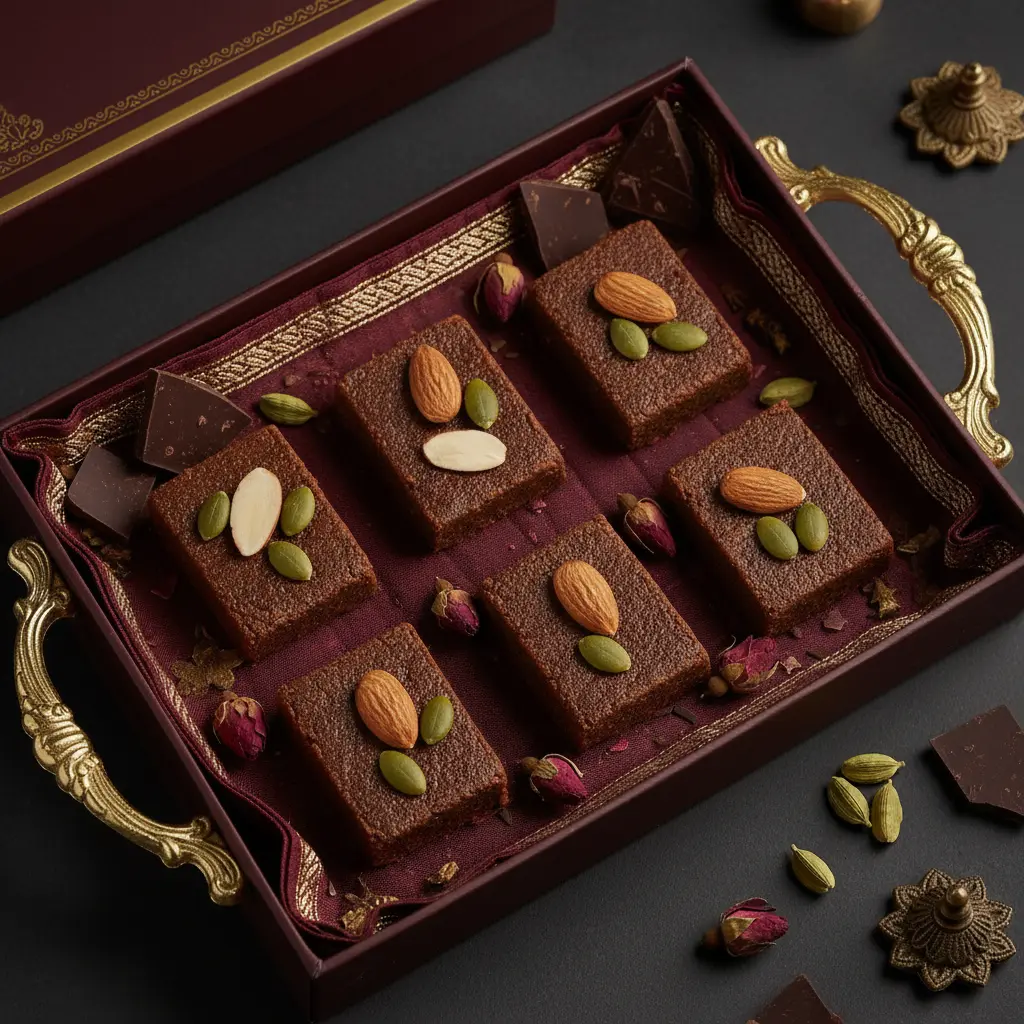
- Royal Bites carry the most, at 11%, which is part of why they taste as rich as they do next to the cocoa and jaggery.
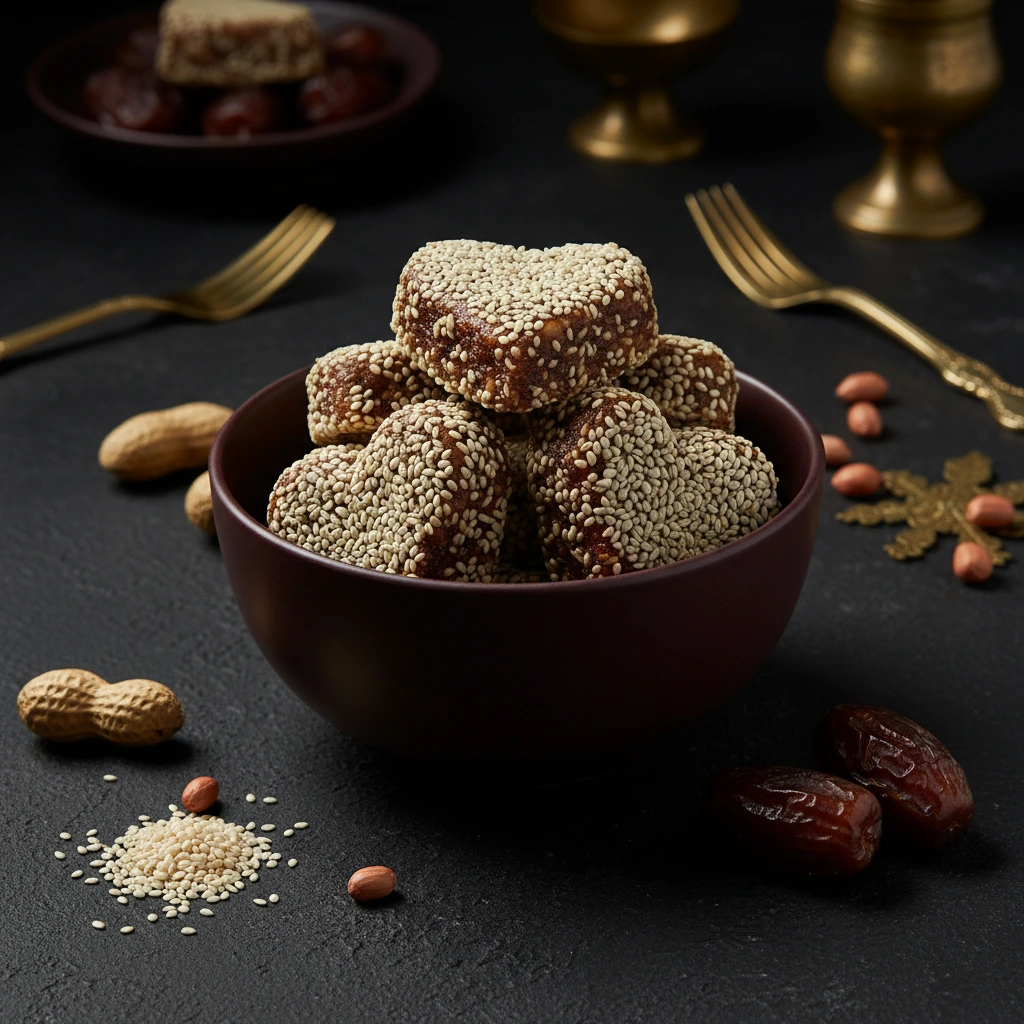
- Peanut-Sesame Delights use just 4%, in a recipe of only four ingredients: dates, roasted peanuts, sesame seeds and ghee.
In each case the ghee is there for flavour and to bind the bite the way a home kitchen would. It is not there to make a health claim, and we are not going to pretend a snack is good for you because it contains ghee.
Made with real ghee
Frequently asked questions
Is ghee healthy?
Ghee is a good fat in small amounts. It is stable at cooking temperatures and carries the fat-soluble vitamins A, D, E and K. It is also calorie-dense, so it works best when it replaces another fat in your day instead of being added on top of one.
How much ghee is too much?
For most adults, roughly one to three teaspoons across the whole day is an ordinary amount. Ghee is calorie-dense, so that is arithmetic rather than a scare. If you are managing a health condition, ask your doctor instead of following a general figure.
Is ghee better than refined oil?
For Indian cooking heat, ghee is very stable, which is why it has been used for tadka and frying for centuries. Several refined oils cope less well with hard, repeated heating. The bigger question is usually total quantity of fat, not which fat.
Can I eat ghee if I am lactose intolerant?
Ghee is clarified, meaning the milk solids are removed while it is made, so many people who react to milk tolerate ghee comfortably. If dairy affects you badly, test carefully or speak to your doctor first.
How do I tell real ghee from fake?
Real ghee usually turns grainy or granular when it sets, smells nutty, and lists exactly one ingredient. A perfectly smooth, waxy tub with a faint plastic smell is worth a second look at the label.
Neither villain nor superfood
Ghee spent two decades being blamed for things it did not do, and is now being sold for things it cannot do. Neither version is about the food. Both are about whoever is selling the advice that season.
Our grandmothers had this settled long before either campaign started: a spoon on the roti, ghar ka khana, and nobody making a personality out of it.
Related reading: why packaged food is so cheap explains what replaced ghee in most factory recipes, and at what price.
And bringing old food habits into a modern week covers where the family spoon of ghee actually fits now.
Sources
- USDA FoodData Central: fat composition for ghee and for palm oil (FDC 171015). fdc.nal.usda.gov
- ICMR-NIN. Dietary Guidelines for Indians, 2024: on fats, oils and the recommended limits. nin.res.in/dietaryguidelines
- FSSAI press release, 2021. Industrial trans fat capped at 2% of total oils and fats. fssai.gov.in
General information about food, not medical or dietary advice. If you have been told to limit saturated fat, follow that advice.