
This is not a throw-it-all-away guide. Nothing on this list is poison and you do not need to empty your kitchen cabinet tonight.
It is a know what you are buying guide. Ten things that sit in almost every Indian kitchen, what the back of the pack commonly says, and the smarter version of the same thing, each one costing you about five extra seconds in the shop.
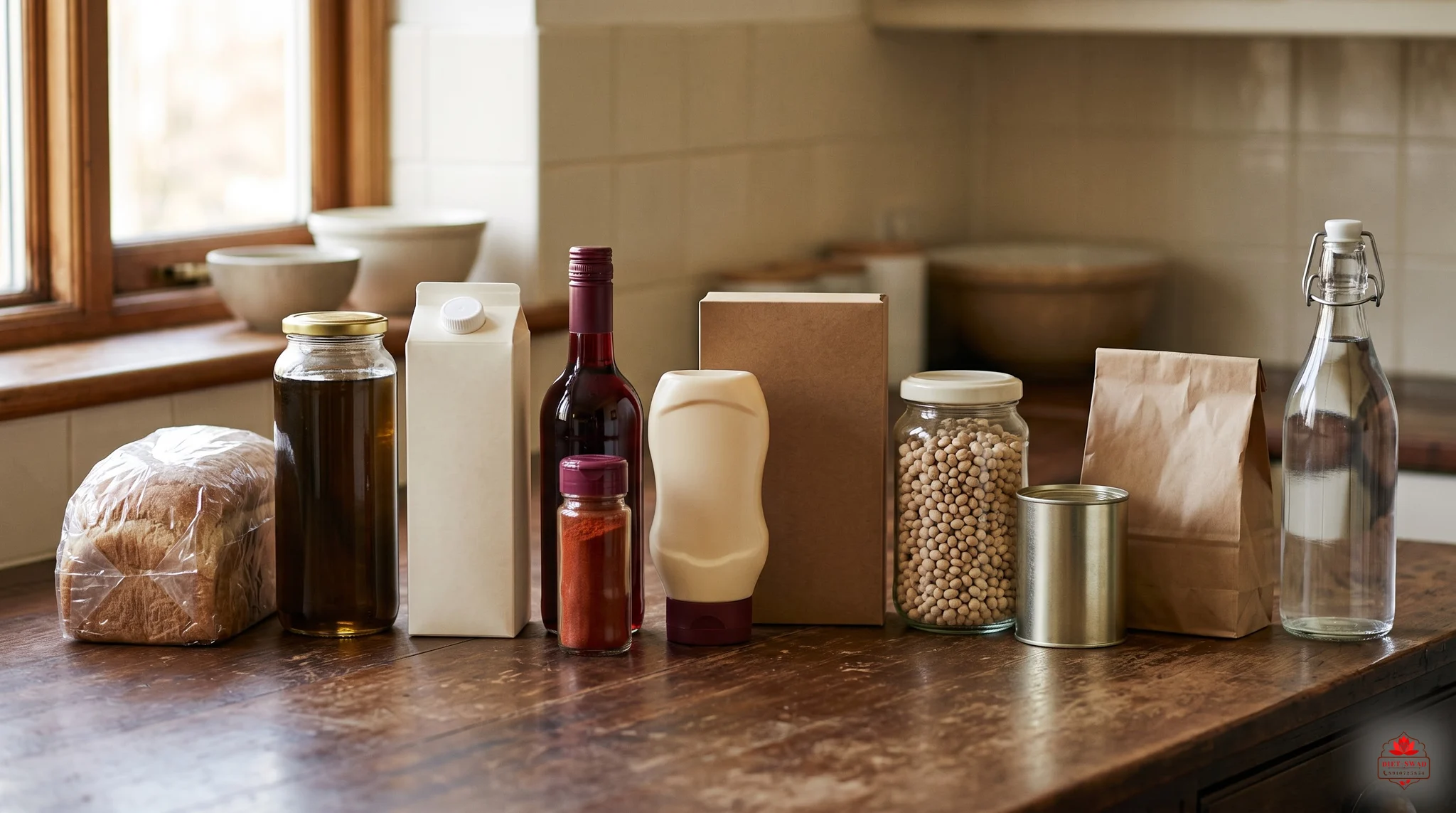
Kitchen Ki 10 Cheezein: Honest Breakdown
All ten items in one table, what each label commonly reveals and the smarter buy beside it, plus the three patterns behind them and a five-minute shopping routine you can actually follow.
Download the guide (PDF)Free, no sign-up, opens straight away.
The ten, one by one
1. Brown bread and "wheat" bread
Plenty of brown bread is mostly maida with caramel colour doing the browning, and "wheat bread" can contain a fairly small percentage of actual whole wheat. Smarter buy: whole wheat flour listed as the first ingredient, with a percentage printed next to it. If there is no percentage, the company has chosen not to tell you.
2. The biscuit with your chai
Maida, sugar arriving under two or three names, and palm oil, this pattern holds even in styles marketed as digestive or high-fibre. Smarter buy: a millet-first or atta-first biscuit made with real butter or ghee, or simply a few nuts instead. We went deep on this one in what is really inside your daily biscuit.
3. Tomato ketchup
Sugar is very often the second ingredient, which means a single spoon of ketchup can carry roughly a teaspoon of sugar. Nobody thinks of ketchup as a sweet, and that is precisely why it is worth a look. Smarter buy: check the "of which sugars" line, and reach for a homemade chutney more often.
4. Fruit juice packs
The word to look for is not "juice", it is drink, nectar or beverage. Many of those are water, sugar, somewhere between 10% and 25% fruit, and additives. Smarter buy: whole fruit, which brings its fibre along. Failing that, a pack declaring pure juice with no added sugar.
5. Health-drink powder
This is the one that surprises people most. Several of these powders are somewhere between 40% and 70% sugars by weight, read the nutrition panel rather than the advertisement. Smarter buy: plain milk with nuts or a chopped date. Same comfort, and you can name everything in the glass.
6. Instant noodles
Maida, palm oil, flavour enhancers, and a sodium figure worth a glance. Smarter buy: treat it as an occasional treat, not a meal, and when you do eat it, throw in vegetables and an egg so it is not the whole plate.
7. Breakfast cereal
Often refined grain with sugar and salt, in a box designed at child height. The cartoon on the front is doing a job. Smarter buy: plain oats, poha or upma. If you want the box, check the whole-grain percentage and the sugar line first.
8. Flavoured dahi and yogurt
Milk is the good part. What is added on top is usually sugar, starch and colour. Smarter buy: plain dahi with real fruit cut into it, and a little honey if you want it sweet. Costs less too.
9. Namkeen and bhujia
Besan itself is genuinely fine, this is not the villain of the list. What is worth checking is the oil quality, the sodium, and whether colours have been added. Smarter buy: roasted chana, roasted nuts, or a homemade chivda.
10. Packaged cake and muffins
Maida, sugar, palm oil, emulsifiers and preservatives, because a soft cake that stays soft for weeks needs all of them. Smarter buy: something bakery-fresh occasionally, and a millet cookie for the everyday bite.
Three patterns you just watched repeat
Read those ten again and the same three things happen over and over.
One. The front never quite matches the back. Words like brown, wheat, fruit and health are chosen by a marketing team. The ingredient list is written under FSSAI law. When the two disagree, believe the back.
Two. Sugar is the industry's favourite ingredient, cheap, universally liked, and able to appear under a dozen names so it never has to sit at the top of the list. The "of which sugars" line is the lie detector, because it adds all of them up whether you spotted them or not.
Three. Fat swaps save money rather than lives. Wherever butter or ghee would be, palm oil usually is, and that single substitution runs through half the supermarket. This is a cost decision, and it is fine to know it as one.
The five-minute smarter shopping routine
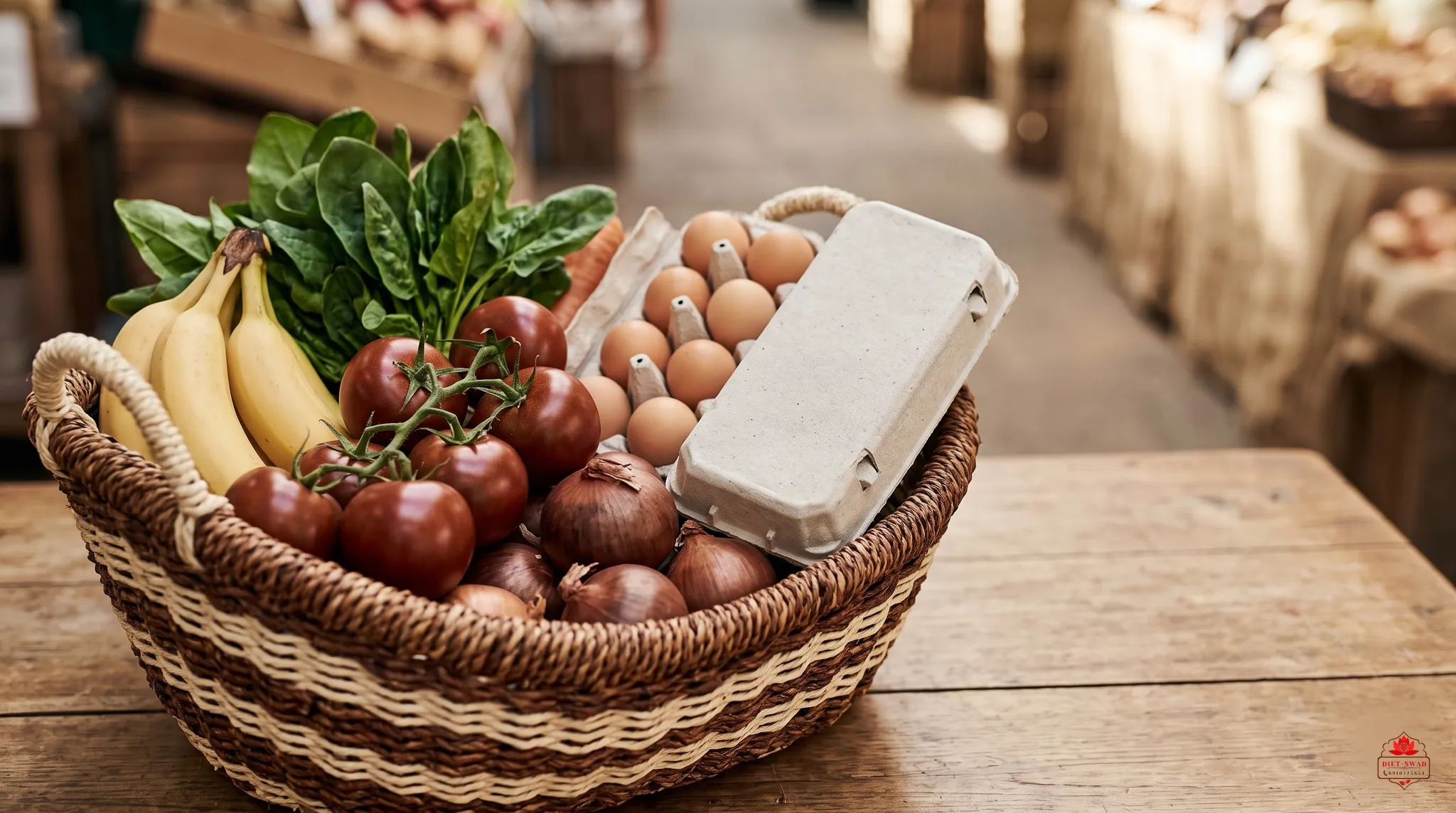
- Shop the outer lanes first. Fruit, vegetables, dairy, eggs, the things with no ingredient list to read.
- For anything packaged, two checks only. First three ingredients, then "of which sugars". Ten seconds a pack, no more.
- Buy fewer, better snacks instead of many cheap ones. The monthly spend often lands in much the same place.
- Keep one clean default per craving: sweet, crunchy, chocolatey. A decision made once is a decision you never have to make hungry at 4 pm.
Our clean defaults, one per craving
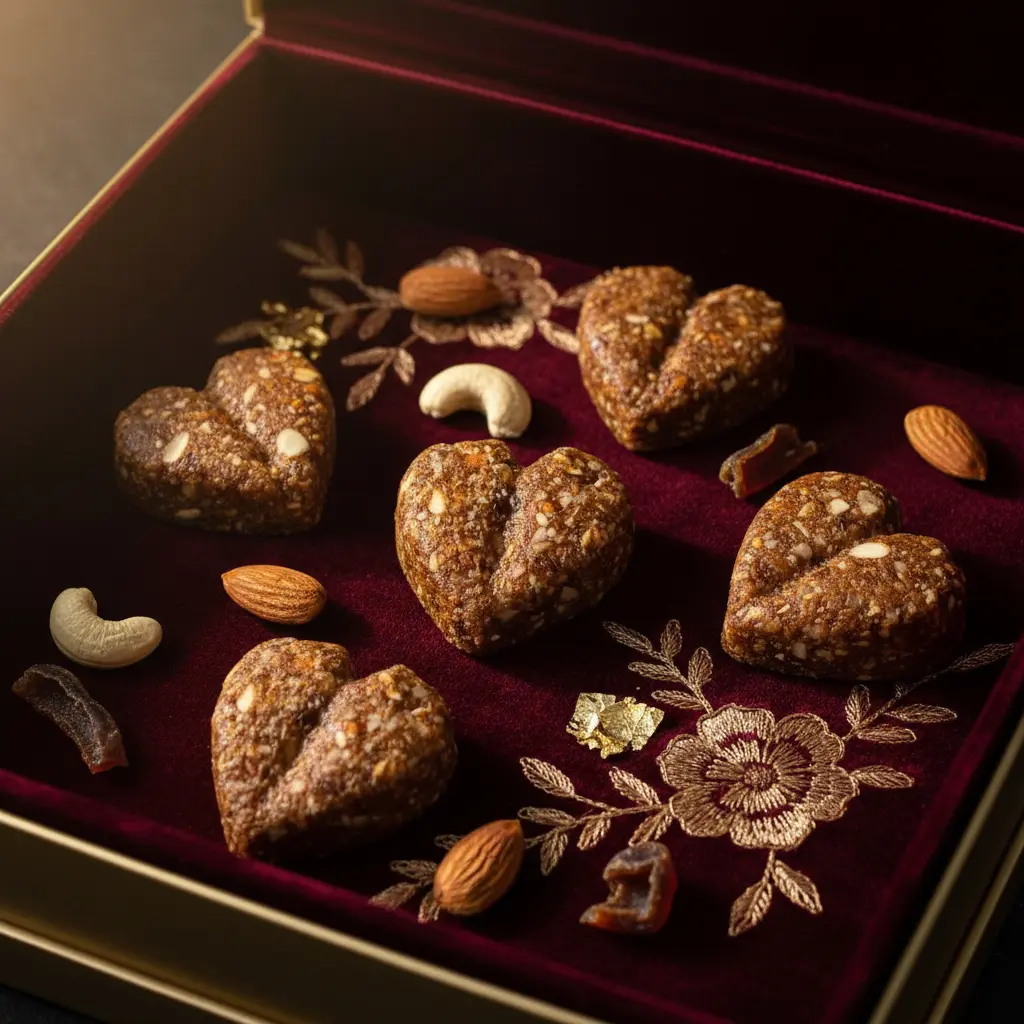
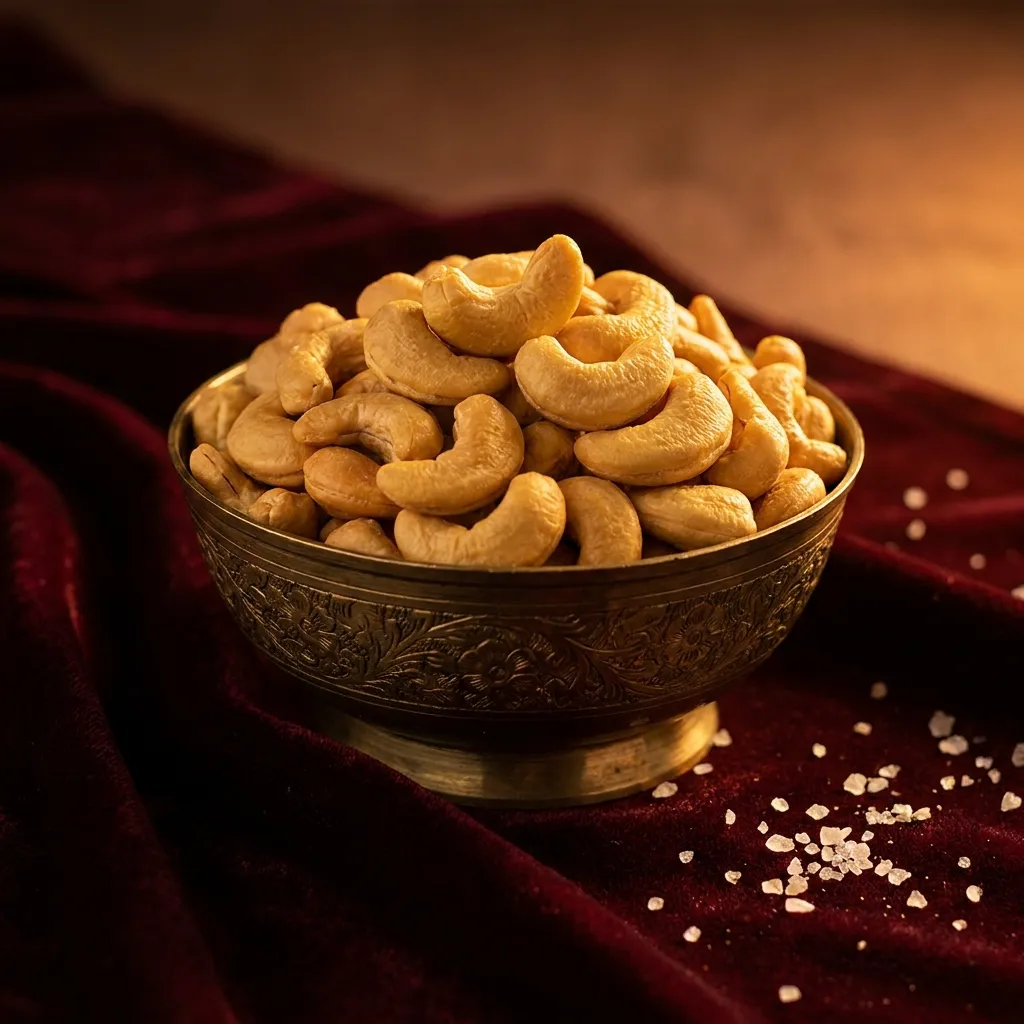
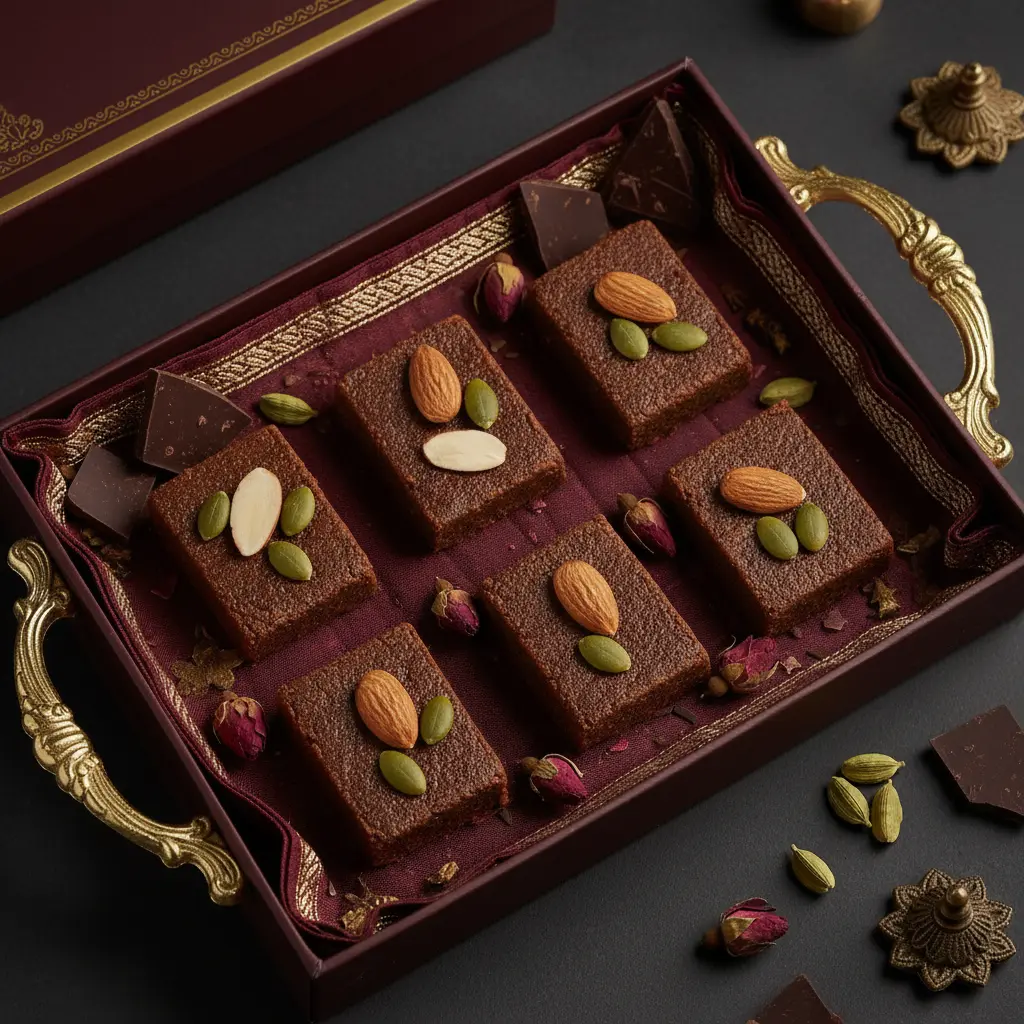

That last point is the one that actually holds when you are tired. Ghar mein ek default rakho, and the 4 pm question answers itself.
If you want the method rather than the list, the 60-second label routine is the companion to this piece, and the preservative decoder explains the codes you will meet along the way.
Frequently asked questions
Is brown bread actually healthier than white bread?
Not automatically. Some brown breads are largely refined flour with caramel colour added for the brown appearance, and a loaf labelled "wheat" may contain only a modest percentage of whole wheat. The reliable check is whether whole wheat flour is the first ingredient and whether a percentage is printed beside it.
How much sugar is in tomato ketchup?
Sugar is frequently the second ingredient by weight in ketchup, which can work out to roughly a teaspoon of sugar in a single generous spoonful. It is not usually thought of as a sweet food, which is exactly why the "of which sugars" line on the nutrition panel is worth a glance.
Are health drink powders good for children?
Read the nutrition panel before deciding. Several malted powders in this category are between roughly 40% and 70% sugars by weight, so a large part of what is being added to the milk is sugar. Plain milk with nuts or a chopped date is a simpler alternative. For a child with specific nutritional needs, ask a paediatrician and do not go by packet claims.
What is the difference between fruit juice and a fruit drink?
The wording on the pack is the clue. Products labelled drink, nectar or beverage commonly contain water, added sugar, a fruit content somewhere between 10% and 25%, and additives. Only a pack declaring pure juice with no added sugar is entirely juice, and whole fruit is better still because the fibre stays with it.
Do I need to stop buying all of these foods?
No. The purpose is to know what you are buying, not to eliminate a list of items. Most of these are perfectly reasonable occasionally, and a few, such as besan namkeen or plain dahi, are fine as everyday foods. What changes outcomes is swapping the things you eat daily, not the things you eat rarely.
Knowing beats fearing
Nobody eats perfectly, and a guide that demands it gets abandoned by Wednesday. The realistic win is smaller and it lasts: know what is in the four or five things you buy every single week, upgrade those, and let the rest be.
Darne ki baat nahi hai. Jaanne ki baat hai.
Sources
- FSSAI. Food Safety and Standards (Labelling and Display) Regulations, 2020: ingredient order, declared percentages and the nutrition panel. fssai.gov.in
- World Health Organization. Healthy diet fact sheet: free sugars below 10% of total energy intake, and under 5% for additional benefit. who.int
- ICMR-NIN. Dietary Guidelines for Indians, 2024. nin.res.in/dietaryguidelines
- Monteiro CA, et al. Ultra-processed foods: what they are and how to identify them. Public Health Nutrition, 2019: the cosmetic-additive marker test. pubmed.ncbi.nlm.nih.gov/30744710
General information about food labelling, not medical or dietary advice. Ingredient patterns described here are common label patterns across categories, not statements about any one company's product.