

A preservative is doing one of two jobs, and only two. It is either stopping microbes from growing in the food, or stopping the fat in it from reacting with oxygen and going rancid. That is the entire category.
Once you know which of those two a given additive is for, the codes on the back of a packet stop being intimidating. Naam mushkil hai, kaam simple hai.
Preservative Decoder: Kitchen Cheat Sheet
Ten common preservatives decoded one by one, what each is for and where you will meet it, a better-choice checklist for the aisle, and a print-and-keep page for the kitchen.
Download the guide (PDF)Free, no sign-up, opens straight away.
Why food goes bad in the first place
Two separate processes, and they need different solutions.
Microbes. Bacteria, yeasts and moulds need water to grow. Give them moisture, warmth and time and they will colonise anything. This is why a fresh laddoo lasts days and a dry biscuit lasts months: the biscuit has almost no free water for anything to live in.
Oxidation. Fats react with oxygen in the air and turn rancid, which is that flat, stale, faintly bitter taste in old nuts or oil. Nothing is growing in the food. The fat is simply reacting with air.
Antimicrobial preservatives handle the first. Antioxidants handle the second. A product with plenty of fat and a long shelf life usually carries one of each.
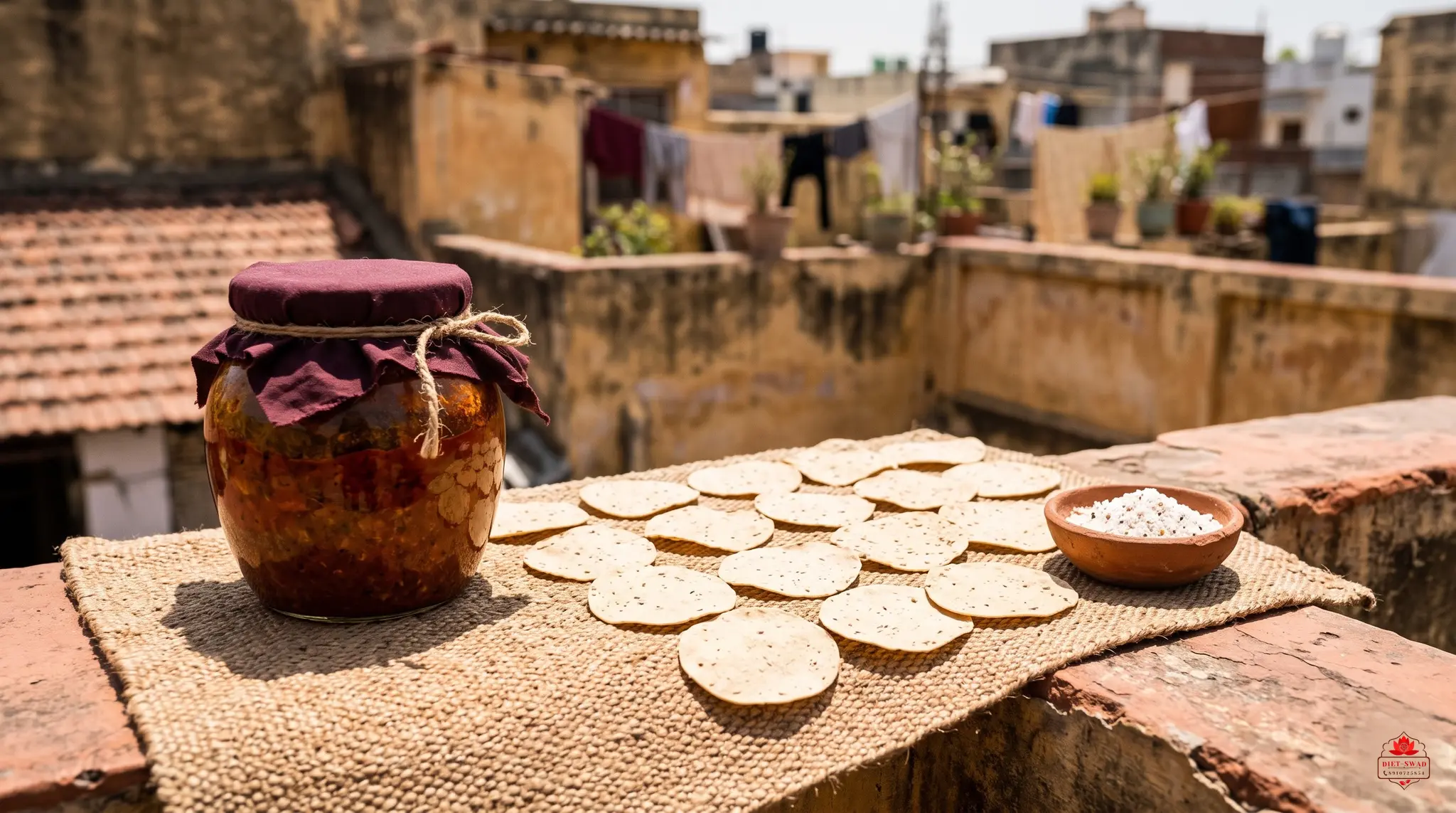
Preservatives are the newest option, not the only one. Drying, salting, sugaring, fermenting, smoking and sealing all do the same job and are thousands of years older. Achaar keeps because of salt and oil. Papad keeps because it is dry. Neither needs a code number.
Reading the code: what INS actually is
INS stands for International Numbering System. It exists so that the same substance is called the same thing in every country, instead of by a dozen local names.
On an Indian label the format is consistent: the additive's job, then its identity in brackets. So Preservative (INS 211) means sodium benzoate, being used as a preservative. Antioxidant (INS 319) means TBHQ, being used to stop fat oxidising.
The number is an identity, not a warning. INS 500 is baking soda. INS 330 is citric acid, the sourness in a lemon.
The ones you will actually meet
Five cover most of what turns up in an Indian trolley.
- INS 211, sodium benzoate. An antimicrobial that works in acidic conditions, so it turns up in soft drinks, squashes, sauces and pickles. Effective and cheap.
- INS 202, potassium sorbate. Targets moulds and yeasts. Common in baked goods, cheese, sauces and dried fruit.
- INS 220, sulphur dioxide. Preserves colour as well as shelf life, which is why pale dried apricots and light-coloured dried fruit usually carry it. Worth knowing about because a minority of people, particularly some asthmatics, react to sulphites, and that is exactly why it must be declared.
- INS 282, calcium propionate. The bread one. It holds back the mould that would otherwise appear within days.
- INS 319, TBHQ. Not an antimicrobial at all but an antioxidant, added to fats and fried snacks to stop them going rancid. If a fried snack is expected to sit on a shelf for months, something is doing this job.
So are they bad for you?
Here is the honest position, and it is less dramatic than either side of the internet would like.
Preservatives permitted in India are approved by FSSAI at defined limits, and one appearing on a label is not in itself a reason to put the packet down. Treating every code number as poison is not supported by the evidence and it makes people worse at reading labels, not better, because it flattens the difference between citric acid and a genuinely engineered product.
What is more informative is the count and the context. One preservative in a sauce is ordinary. Six or seven additives across preservation, colour, flavour, texture and emulsification tells you something real: the product needs a great deal of help to look, taste and last the way it does. That is a signal about how far the food has travelled from food, which is the subject of our piece on what "ultra-processed" actually means.
What a short shelf life really costs
It is easy to read "preservative-free" as straightforwardly better. It is more accurate to read it as a trade-off that somebody is paying for.
- The food genuinely spoils sooner. Weeks, not months, and sometimes days.
- Batches have to be smaller and stock has to move faster, which costs more per unit.
- Storage matters more. Cool, dry, sealed, out of sunlight. Ignore that and a preservative-free product will let you know.
- It says nothing about the rest of the list. A product can be preservative-free and still be mostly refined flour, cheap oil and sugar. Those are separate questions.
The right way to hold it: preservative-free tells you about shelf life and handling. The ingredient list tells you about the food. Do not let the first answer the second.
Why ours keep without preservatives
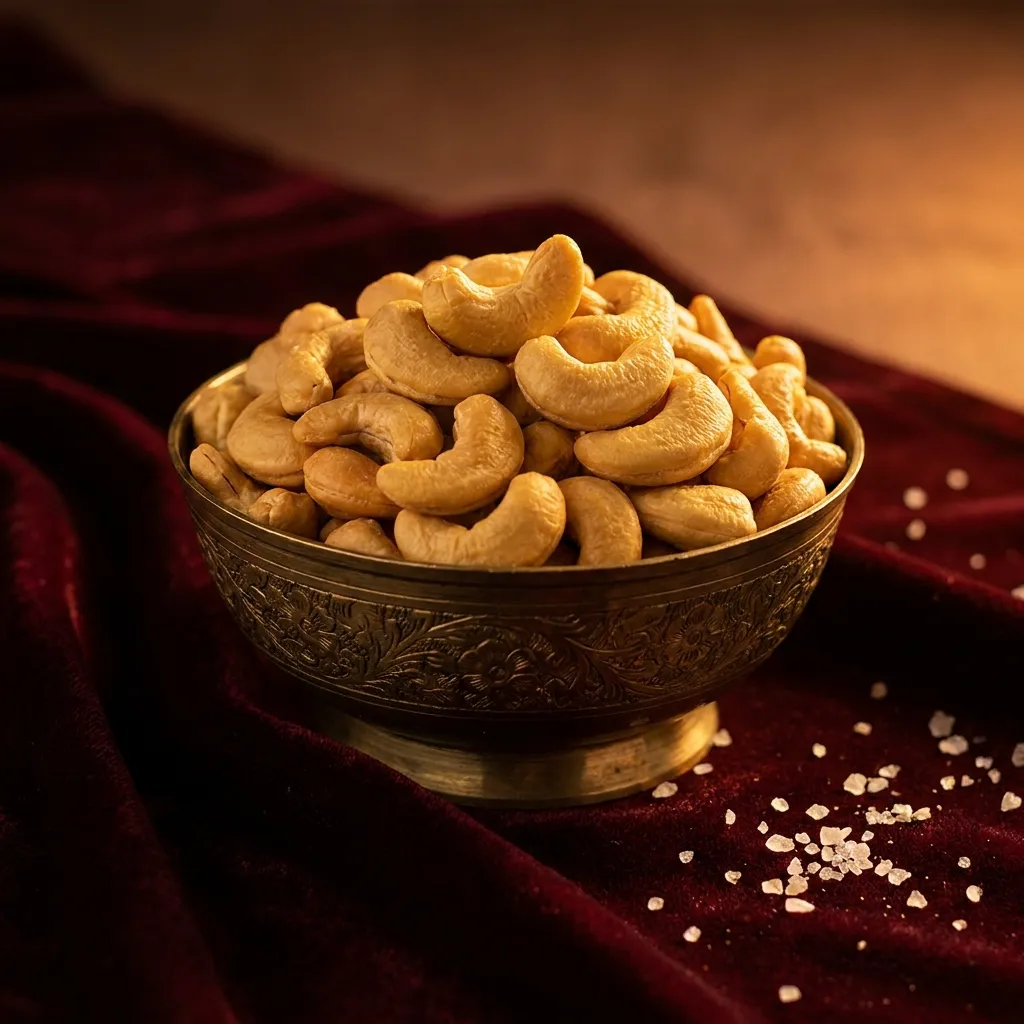
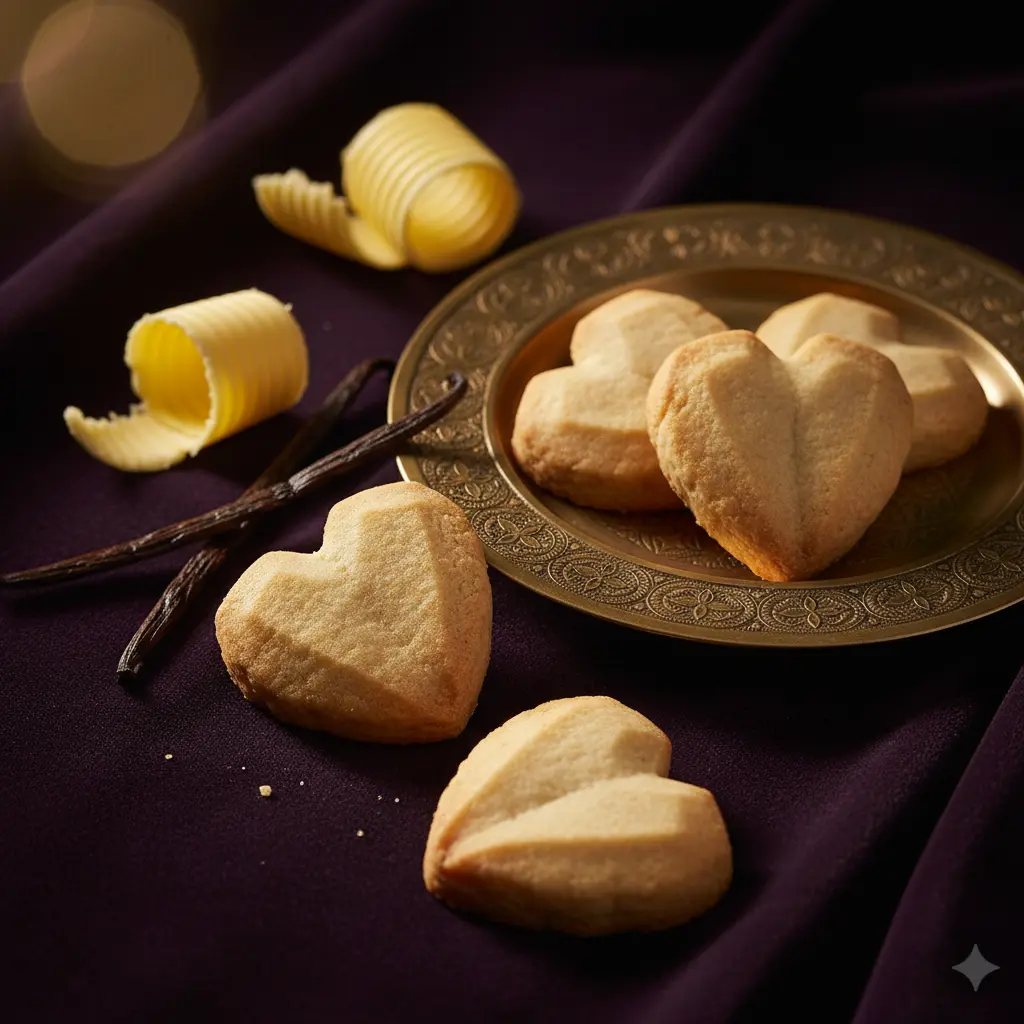
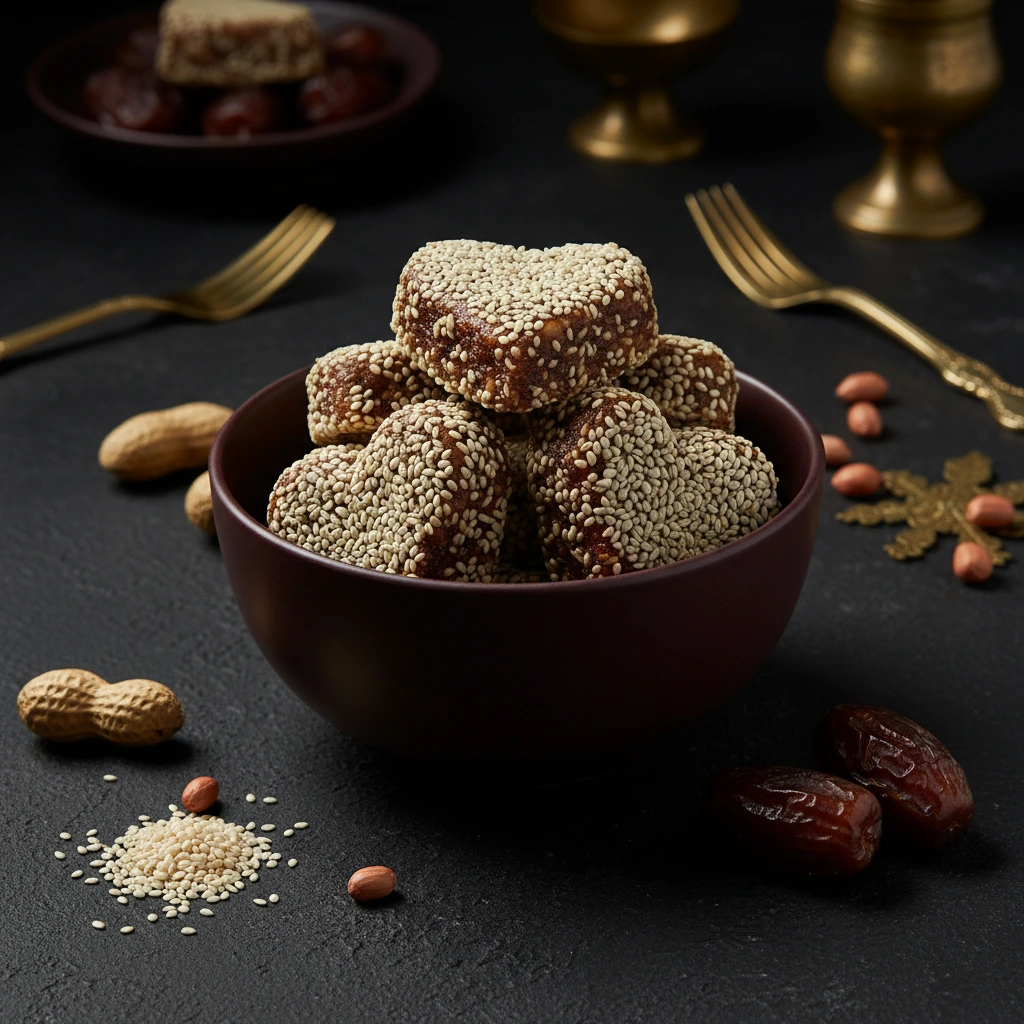
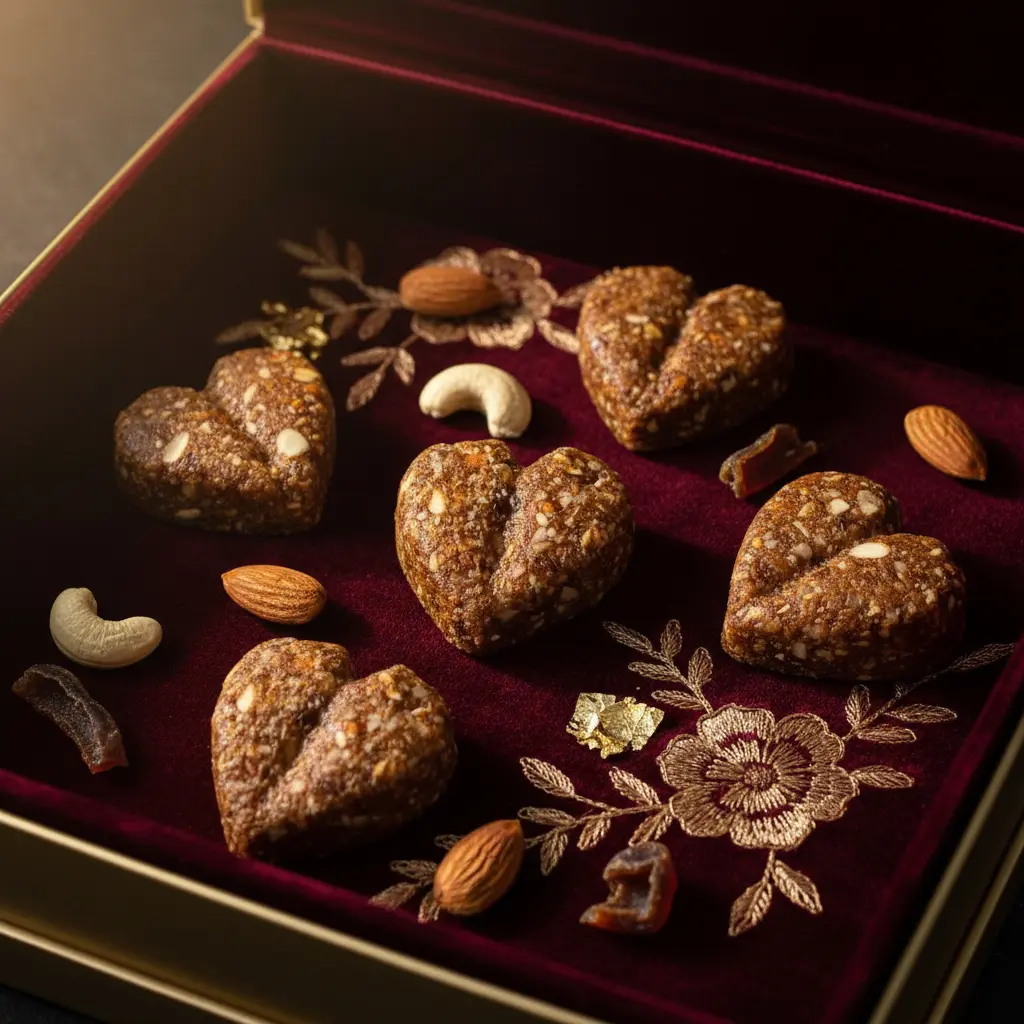
Ours use the old methods rather than the new ones: roasting and baking drive off moisture, sugar from dates and jaggery binds what water is left, and the packs are sealed. That is why the range is preservative-free, and also why it does not last nine months. Keep it cool, dry and sealed, and finish it in reasonable time.
Frequently asked questions
What do preservatives actually do in food?
They slow down the two things that ruin food: microbes growing in it, and fats reacting with oxygen and turning rancid. Antimicrobial preservatives such as sodium benzoate target the first, while antioxidants such as TBHQ or BHA target the second. Without either, food has to be eaten sooner, kept colder or dried more thoroughly.
Are preservatives in food harmful?
Preservatives permitted for use in India are approved at defined limits by FSSAI, and the presence of one is not by itself a reason to reject a food. What is more informative is how many a product needs and why. A long run of additives usually indicates a product engineered for a long shelf life rather than a problem with any single ingredient.
What do the INS numbers on Indian food labels mean?
INS stands for International Numbering System, a shared code so that the same additive is named identically worldwide. The number sits in brackets after the additive's job, so Preservative (INS 211) means sodium benzoate is being used as a preservative. The number is an identity, not a warning.
Which preservatives are most common in Indian packaged food?
Among the ones you will see most often are INS 211 sodium benzoate in acidic foods and drinks, INS 202 potassium sorbate in baked goods and sauces, INS 220 sulphur dioxide in dried fruit and juices, INS 282 calcium propionate in bread, and INS 319 TBHQ as an antioxidant in fried snacks and oils.
Does preservative-free mean the food is better?
It means the food will not last as long, which is a trade-off rather than an automatic improvement. A preservative-free product needs smaller batches, faster turnover and more careful storage, and it can spoil if those are neglected. It tells you about shelf life and handling, not about whether the rest of the ingredient list is any good.
Count them, do not fear them
The useful habit is not avoiding every code number. It is noticing how many a product needs, and asking what that says about how far it is from the thing it is pretending to be.
One or two, fine. A whole paragraph of them, and you are holding a formulation. Ginti karo, darr mat.
Related reading: the full label-reading guide covers the rest of the back of the pack.
Sources
- FSSAI. Food Safety and Standards (Food Products Standards and Food Additives) Regulations: permitted additives and their limits. fssai.gov.in
- Monteiro CA, et al. Ultra-processed foods: what they are and how to identify them. Public Health Nutrition, 2019: the cosmetic-additive marker test. pubmed.ncbi.nlm.nih.gov/30744710
- FSSAI. RUCO booklet: oil quality and the total polar compounds threshold. eatrightindia.gov.in/ruco
- ICMR-NIN. Dietary Guidelines for Indians, 2024. nin.res.in/dietaryguidelines
General information about food labelling, not medical or dietary advice. If you have a known sensitivity to sulphites or any additive, follow your doctor's guidance.