
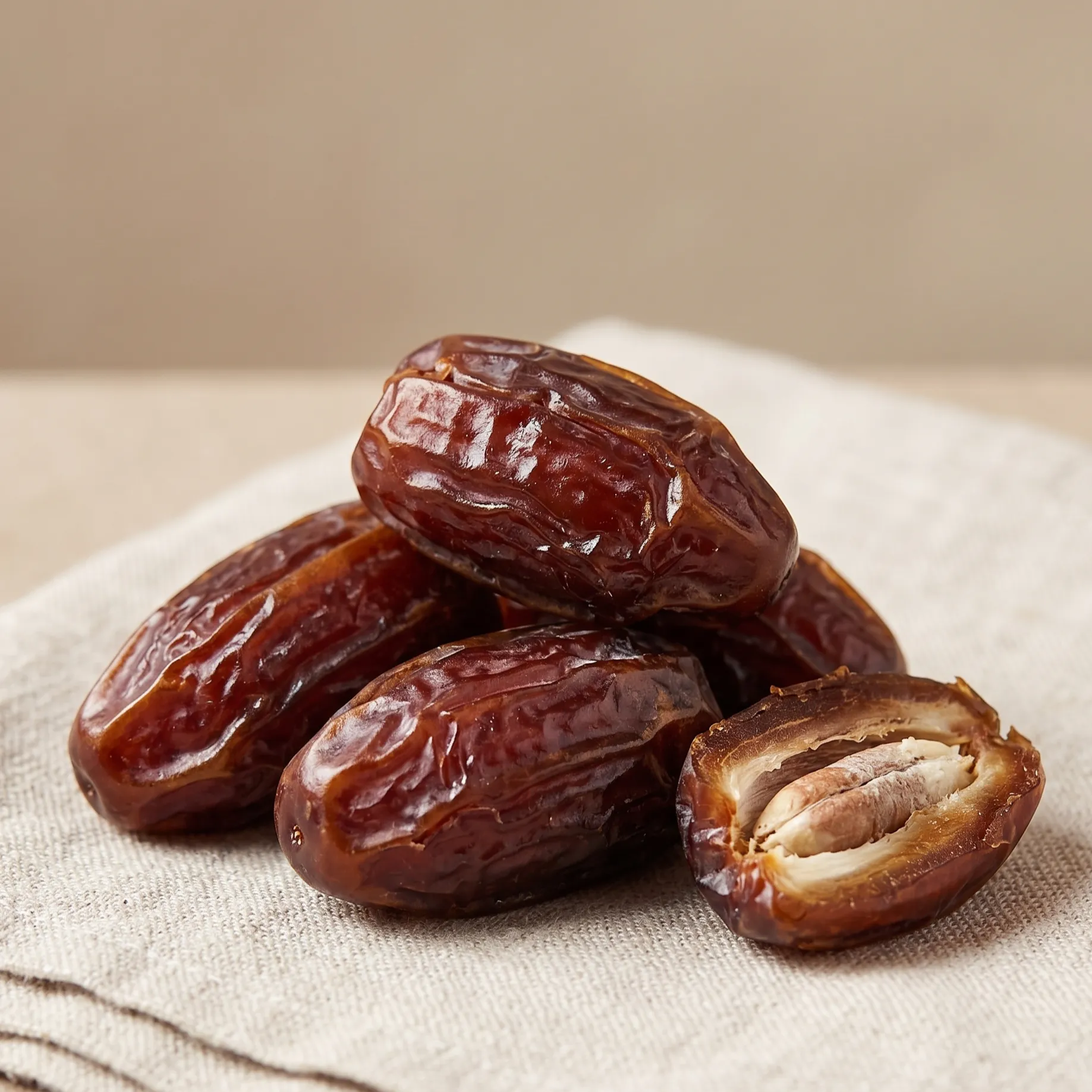
In 2005, researchers planted a date seed that had been sitting in a drawer since it was dug out of the fortress of Masada. Radiocarbon dating put it at around 2,000 years old. It had last been attached to a living tree at roughly the time of the Roman Empire.
It grew. They named it Methuselah.
What actually happened
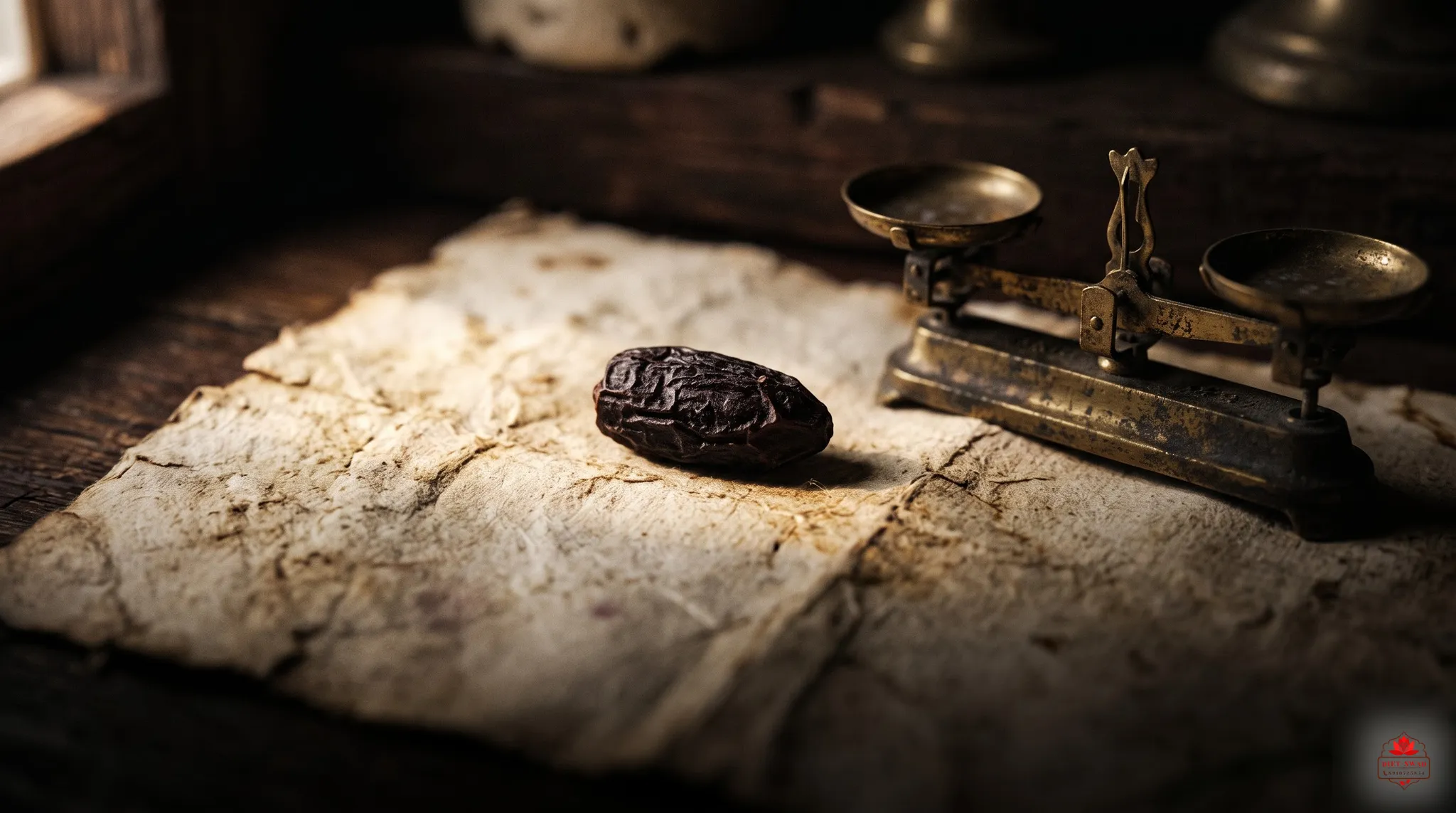
The seed came from excavations at Masada, the clifftop fortress overlooking the Dead Sea. Desert conditions there are punishing for people and excellent for seeds: dry, stable, and hostile to the moulds and bacteria that normally destroy organic material over centuries.
The germination work was led by Dr Sarah Sallon of the Hadassah Medical Center with Dr Elaine Solowey of the Arava Institute, and the results were published in Science Advances in 2020. Methuselah was not a one-off fluke either. Six further ancient seeds, recovered from Masada, Qumran and Wadi Makukh, were also successfully germinated, and given the names Adam, Hannah, Jonah, Uriel, Boaz and Judith.
Then in 2020, Hannah, grown from a 2,000-year-old seed and pollinated by Methuselah, produced a harvest of dates. Two trees that predate most of modern history made fruit that somebody could eat.
One detail worth pausing on. The ancient seeds were significantly longer and wider than modern date seeds. Historical sources describe the Judean date as unusually large and prized, and the archaeology quietly agrees with the texts.
A tree that has been with us the whole time
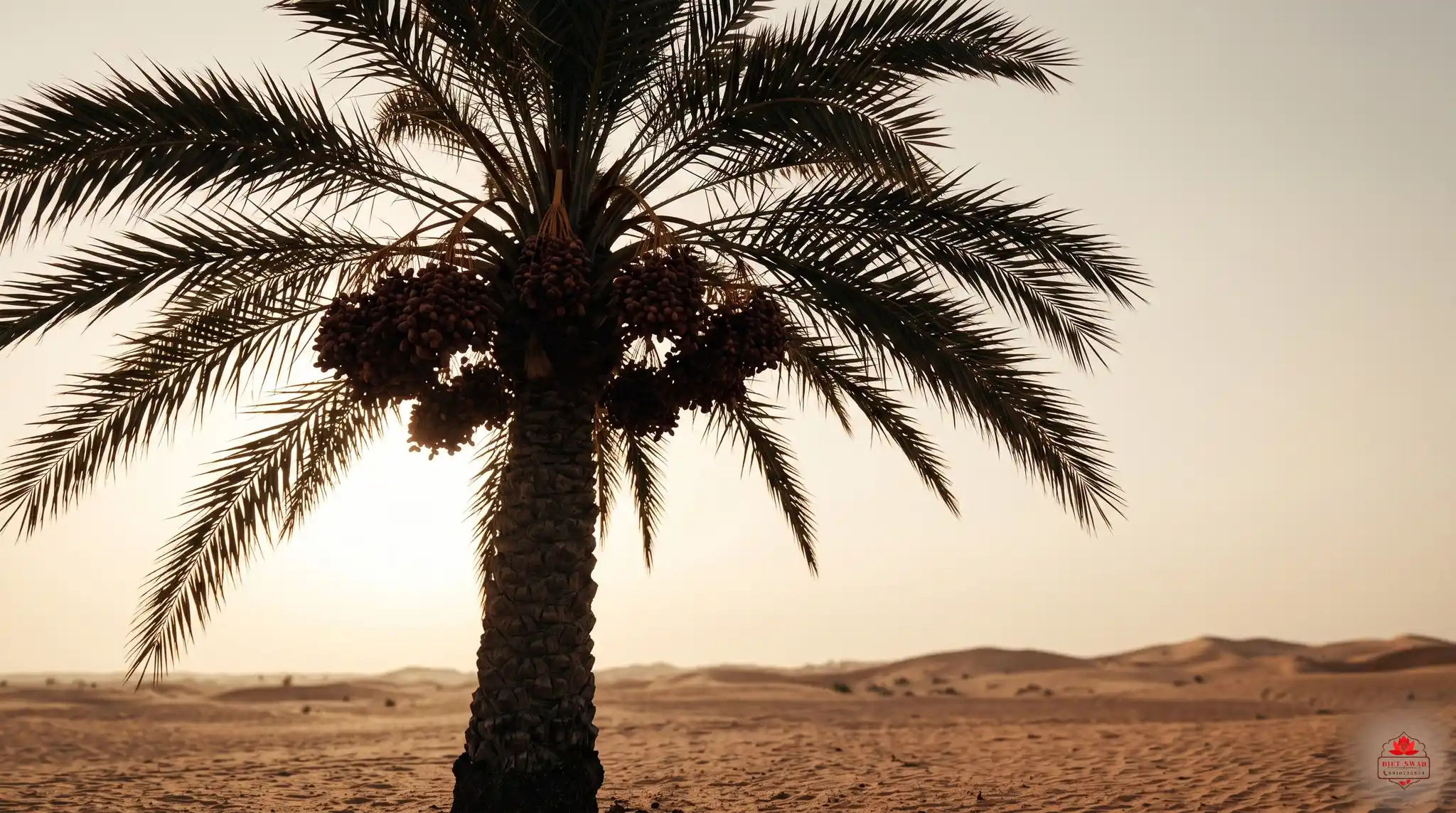
The date palm is one of the earliest tree crops humans ever domesticated. The earliest evidence of people using dates comes from the Arabian Neolithic, roughly 7,000 years ago, with cultivation established in Mesopotamia and the upper Arabian Gulf around 6,700 to 6,000 years before present.
Its historical range ran, in the researchers' phrase, from Mauritania in the west to the Indus Valley in the east. That eastern end matters to anyone reading this in India: dates were not a recent import into this part of the world. They arrived early and stayed.
The fruit is woven through Muslim, Christian and Jewish tradition, and it remains the food that opens the fast at iftar during Ramadan. It was also, for a very long time, simply what you carried when you had to cross somewhere difficult.
Why a date, of all things?
Think about what a traveller in 2000 BCE actually needed from food. It had to carry a lot of energy for its weight. It had to survive months without refrigeration, because there was none. It had to need no cooking. And it had to not fall apart in a bag.
A date does all four. The sugar concentration that makes it sweet is also what makes it keep, because there is too little free water left for microbes to work with. The same property that we now discuss as a nutrition talking point is the reason the fruit was worth carrying across a desert.
Yeh koi naya superfood nahi hai. It is one of the oldest solved problems in human food.
What this does not mean
Being old is not the same as being magic, and it is worth saying so plainly.
A date is still an energy-dense sweet fruit, roughly two-thirds to three-quarters sugar by weight. What makes it behave differently from a spoon of sugar is that the sugar arrives wrapped in fibre, along with potassium, magnesium and some iron. USDA figures for Medjool dates put them at about 277 kcal, 6.7 g of fibre and 696 mg of potassium per 100 g.
All of that is worth knowing. None of it means you can eat the whole box. Ancient does not mean unlimited.
Where dates do the sweetening in our range
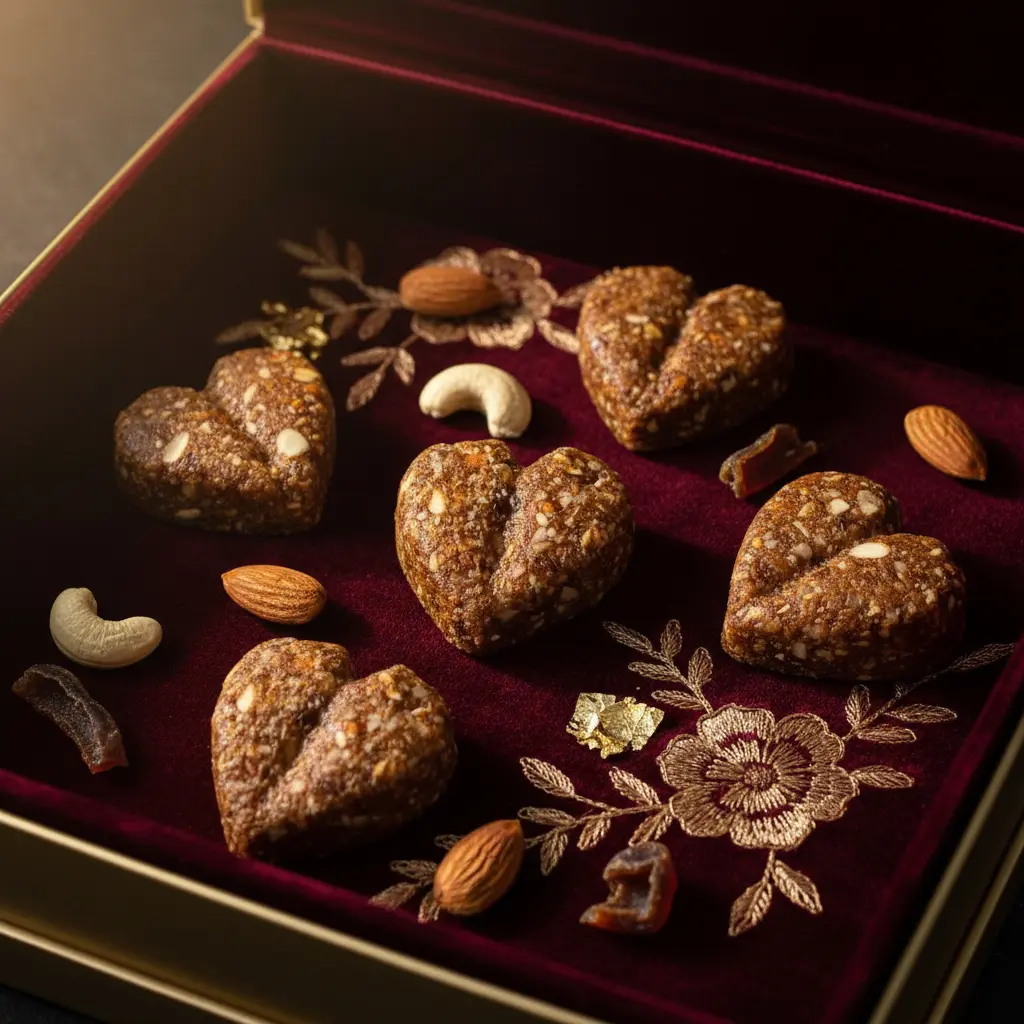
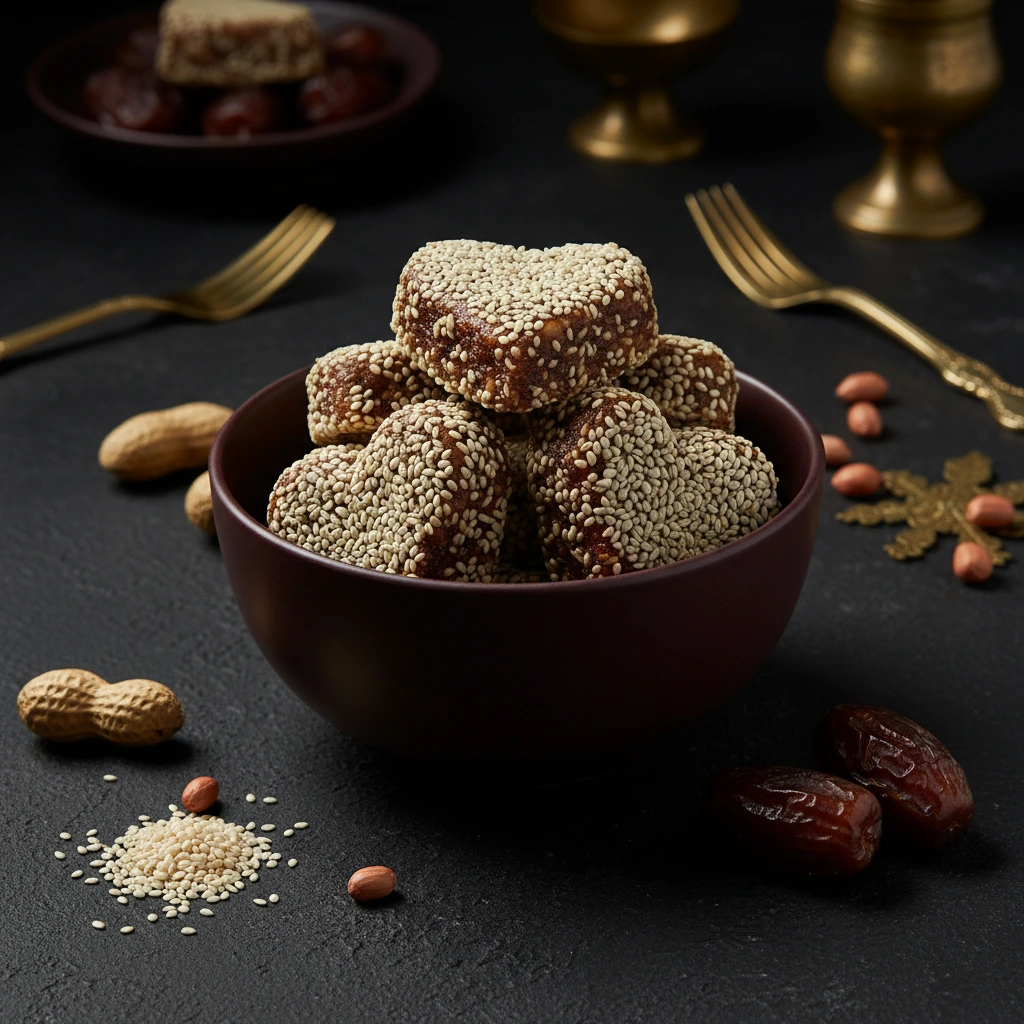
We use dates as the sweetener in two products rather than as a decoration, which only works if the fruit is genuinely sweet on its own. In that narrow sense we are doing what people did with dates for several thousand years before us, which is to let the fruit be the sugar.
Frequently asked questions
What is the Methuselah date palm?
Methuselah is a date palm grown from an ancient seed recovered from the fortress of Masada, radiocarbon-dated to roughly 2,000 years old. It was germinated by a team including Dr Sarah Sallon of the Hadassah Medical Center and Dr Elaine Solowey of the Arava Institute, and the work was published in Science Advances in 2020.
Can a 2,000-year-old seed really grow?
In this case yes. Date seeds are hardy, and the dry desert conditions at Masada preserved them unusually well. Six further ancient seeds from Masada, Qumran and Wadi Makukh were later germinated and named Adam, Hannah, Jonah, Uriel, Boaz and Judith. In 2020 Hannah produced an actual harvest of dates after being pollinated by Methuselah.
How old is date farming?
The date palm is among the earliest domesticated tree crops. The earliest evidence of people exploiting dates comes from the Arabian Neolithic, roughly 7,000 years ago, with cultivation in Mesopotamia and the upper Arabian Gulf around 6,700 to 6,000 years before present. Its historical range ran from Mauritania in the west to the Indus Valley in the east.
Why were dates so important to ancient travellers?
Because they solve several problems at once. Dates are dense in energy, keep for months without any preservation technology, need no cooking, and are light for the energy they carry. That combination made them a natural caravan and travel food long before anyone was measuring calories.
Are ancient date varieties different from modern ones?
The ancient Judean seeds studied were significantly longer and wider than modern varieties, which supports historical accounts describing the Judean date as unusually large. Beyond size, comparing the fruit itself is difficult, since only the seeds survived.
Two thousand years is a long wait
The thing that stays with you about Methuselah is not really the botany. It is that a seed sat in the dark through the entire span of recorded modern history, and the instructions inside it still worked.
Next time you eat a date, it is a small and slightly ridiculous pleasure to remember that somebody was doing exactly this, with roughly this fruit, seven thousand years ago.
If you want the practical side rather than the history, we have written about telling good dates from syrup-coated ones and about why dates measure low on the glycaemic index despite the sugar.
Sources
- Sallon S, et al. Origins and insights into the historic Judean date palm based on genetic analysis of germinated ancient seeds. Science Advances, 2020;6(6):eaax0384. science.org/doi/10.1126/sciadv.aax0384
- The same paper, open access. pmc.ncbi.nlm.nih.gov/articles/PMC7002127
- Arava Institute for Environmental Studies. Methuselah and the six new ancient date trees. arava.org
- USDA FoodData Central. Dates, medjool (FDC 168191). fdc.nal.usda.gov