
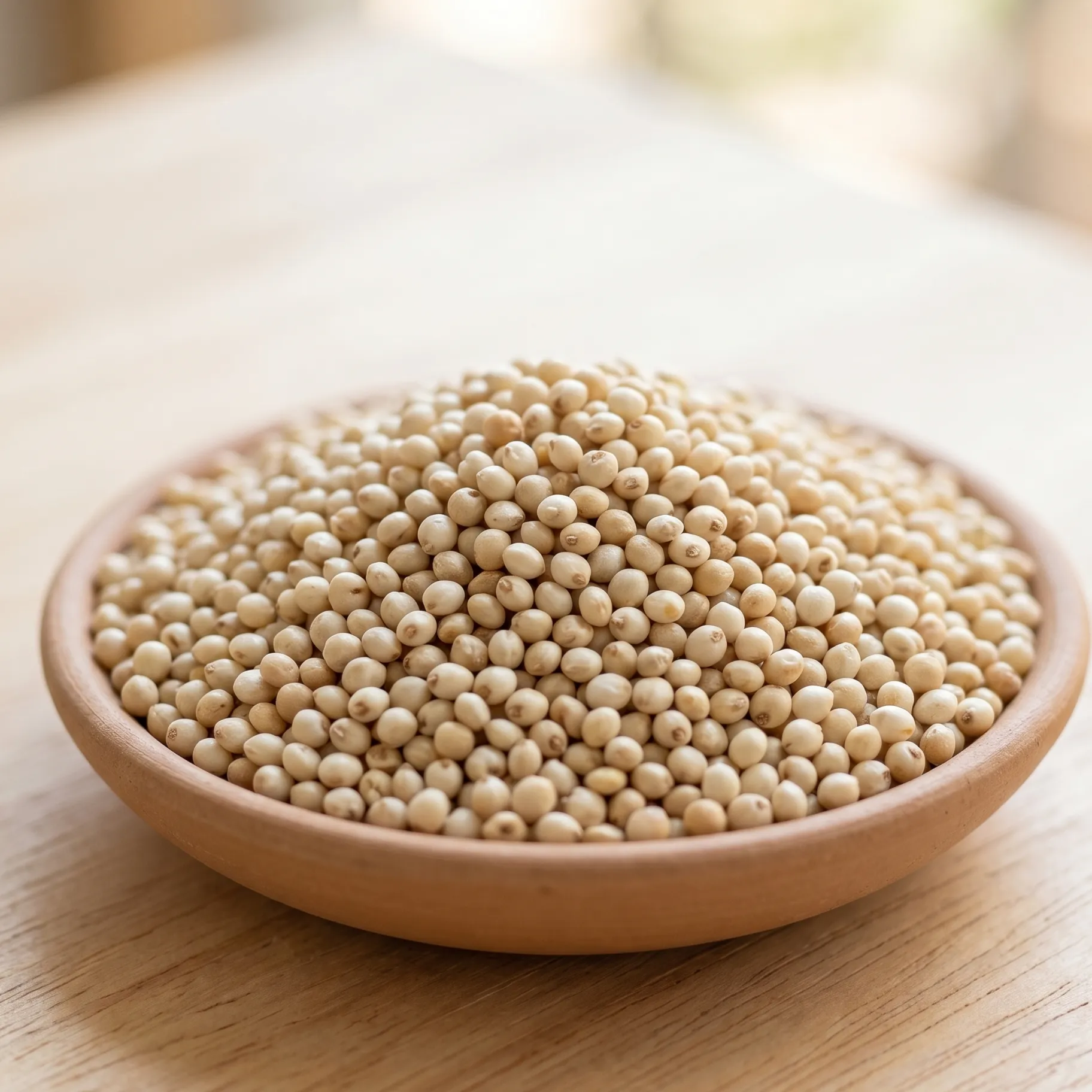
Almost every family has the one relative, worked hard their whole life, ate ordinary ghar ka khana, never counted a calorie, and stayed sharper at eighty than most people manage at forty.
We have written about what those habits were and what the evidence says about them. This is the other half, and honestly the harder half: what you do with that on a Tuesday when you get home at eight and the kitchen is cold.
Because the usual answer, "cook everything from scratch, eat seasonally, stop snacking", is not advice. It is a description of a life almost nobody currently has. So here is each habit scaled down to the smallest version that still does something.
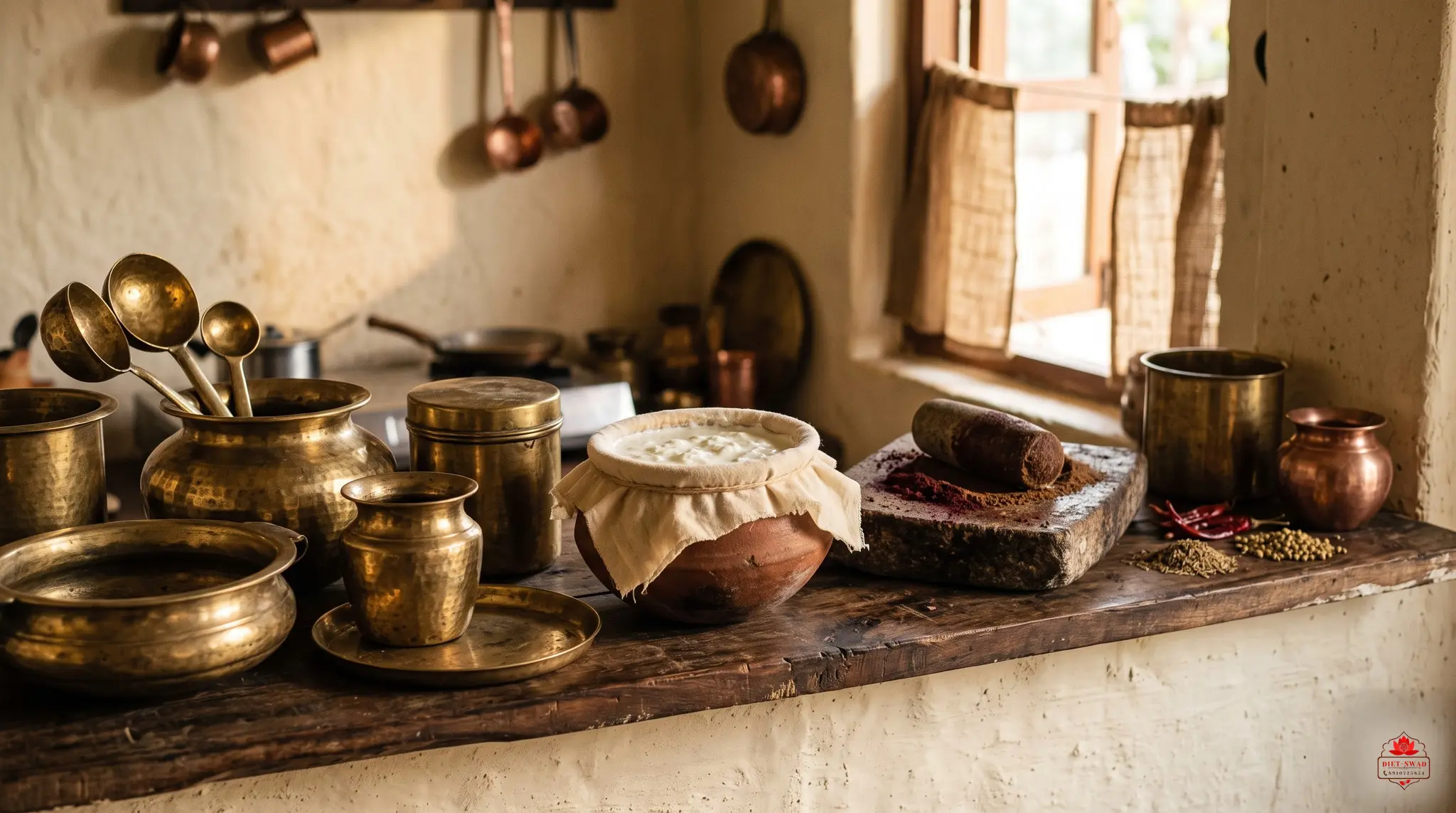
Purani Peedhi Ka Raaz: 5 Habits
The full guide, one habit at a time: the story of what it looked like in their kitchen, what the science says about it now, and the single smallest step that brings it back this week. Plus the honest part about what does not transfer.
Download the guide (PDF)Free, no sign-up, opens straight away.
Seasonal eating: buy one thing, not a philosophy
The full version: eat only what the season and your region produce.
The version that survives a real week: once a week, buy whatever is cheapest and most piled-up at the local mandi. That is the season talking, and price is a more reliable signal than any chart you could look up.
That is it. One item. You are not converting your diet, you are adding a rotating vegetable, and the rotation is the part that mattered, variety across the year rather than the same four things in January and July.
Fermented food: attach it to a meal you already eat
The full version: something fermented every single day, dahi, chaas, kanji, a batter left out overnight.
The small version: one bowl of plain dahi, or one glass of chaas, attached to a meal that already happens. Do not create a new eating occasion for it, because new occasions are what fail.
One caution worth stating: flavoured packaged yogurt is a different product from plain dahi. The milk is still there, but sugar, starch and colour usually arrive on top of it. If you want it sweet, plain dahi with real fruit cut into it gets you there and you can name everything in the bowl.
Ghee: the amount was always the point
The full version: a spoon of ghee on dal or roti, treated as completely normal.
The honest modern version: the same, and stop there. Vitamins A, D, E and K are fat-soluble, meaning the body needs some fat present in a meal to absorb them at all, so a modest amount of fat on vegetables and dal is doing real work.
Where this one goes wrong now. "Ghee is healthy" has become a licence to add it to things that were never part of that habit. Your grandmother's spoon went on dal and roti. It did not go into a deep fryer, and it did not turn a fried snack into a health food. The context was the habit, not the ingredient.
Cooking from scratch: twice a week, and khichdi counts
The full version: no packets at all, because there were none.
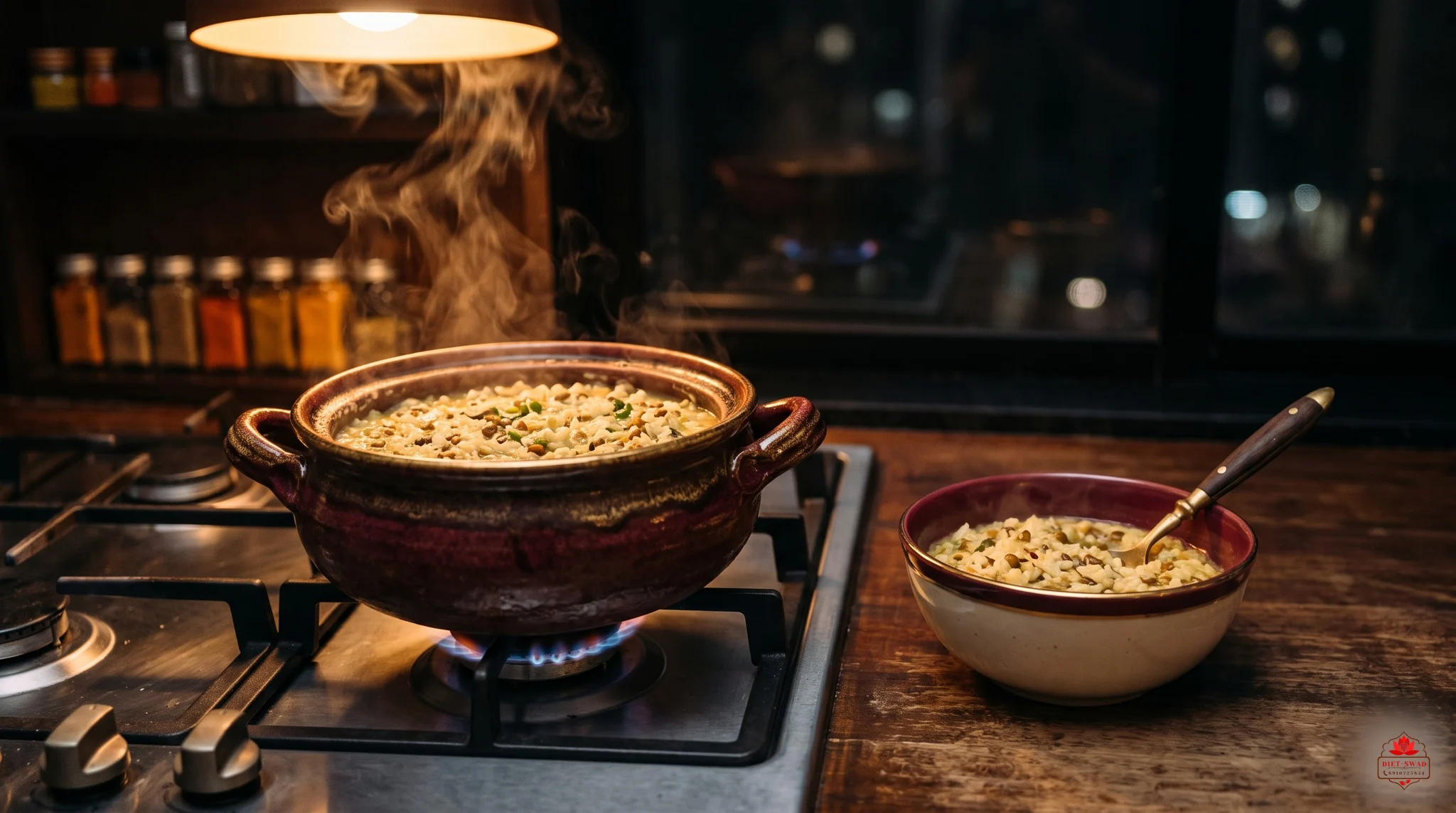
The version that is actually achievable: two scratch-cooked dinners a week, and set the bar on the floor. Khichdi is from scratch. Dal-chawal is from scratch. This is not about ambition, it is about how many of your meals come with an ingredient list attached.
The reason it is worth even two nights: in a controlled trial published in 2019, people eating an ultra-processed diet ate around 500 calories a day more than the same people on a minimally processed one, with both diets matched for sugar, fat, salt and fibre. Nobody in that study was trying to overeat. Cooking from scratch is simply the most reliable way to keep the additives, the hidden sugar and the cheap fats out, not because home cooking is magic, but because you decide what goes in.
Not grazing: give snacking a time instead of banning it
The full version: breakfast, lunch, evening chai with something small, dinner. Nothing but water in between.
The realistic version: do not try to stop snacking. Give it a fixed slot. For most people that is the 4 to 6 pm window, which is when genuine hunger actually arrives.
This is the habit with the biggest gap between then and now, and it is worth being clear about why it is harder for you than it was for them. They were not exercising restraint. Food simply was not within arm's reach for most of the day. You are being asked to do deliberately what their environment did for them for free, which is a real difference, and not a moral one.
One planned, satisfying snack beats six unconscious ones. Our piece on when to snack and how much lays out the three windows properly.
What genuinely does not transfer
An honest article has to include this part, otherwise it is nostalgia rather than advice.
- The labour was enormous, and most of it was women's, unpaid, and taken for granted. Grinding, soaking, daily market trips. "Cook everything from scratch" quietly assumes somebody has four hours and is not being asked whether they want to spend them that way.
- The food supply was not uniformly better. Shortages were real, variety in a bad season was poor, and some things people are nostalgic about were simply what was available.
- Not every old habit was right. The five above hold up against current evidence. Plenty of other traditional food rules do not, and picking the ones that survive scrutiny is the whole exercise.
The useful frame is not that the past was better. It is that a few specific practices were quietly well designed, and those are worth carrying forward on their merits.
The order to try them in
Do not attempt five changes at once. Ranked by effort against payoff:
- Start with the snack slot. Fixed time, one clean default. Requires no cooking and no shopping change, and it is the habit that has drifted furthest.
- Then the daily dahi. One bowl, attached to a meal you already eat.
- Then one seasonal item in the weekly shop.
- Then the spoon of ghee back on real food, without the guilt that arrived with refined-oil advertising rather than with any evidence.
- Last, the two scratch dinners: genuinely the hardest, so attempt it once the others are running.
The snack slot, filled with things dada would recognise
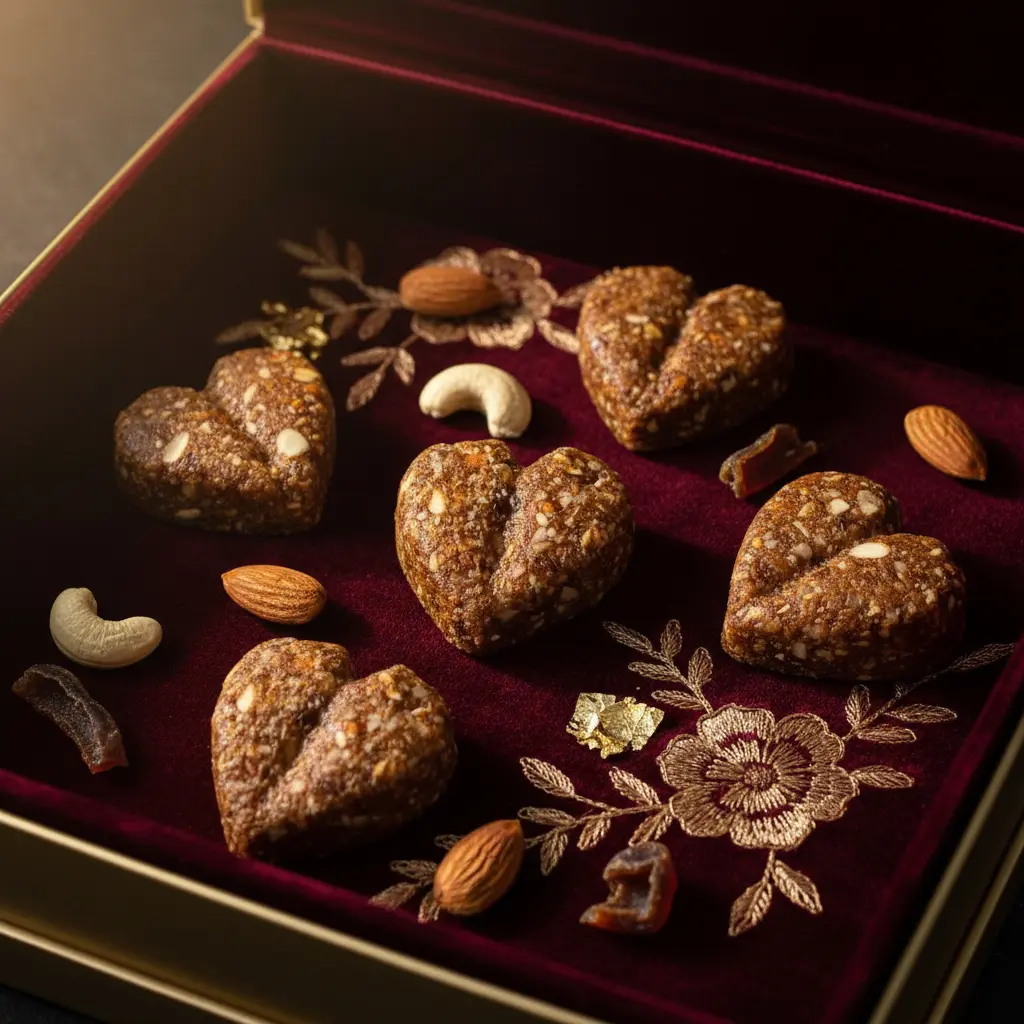
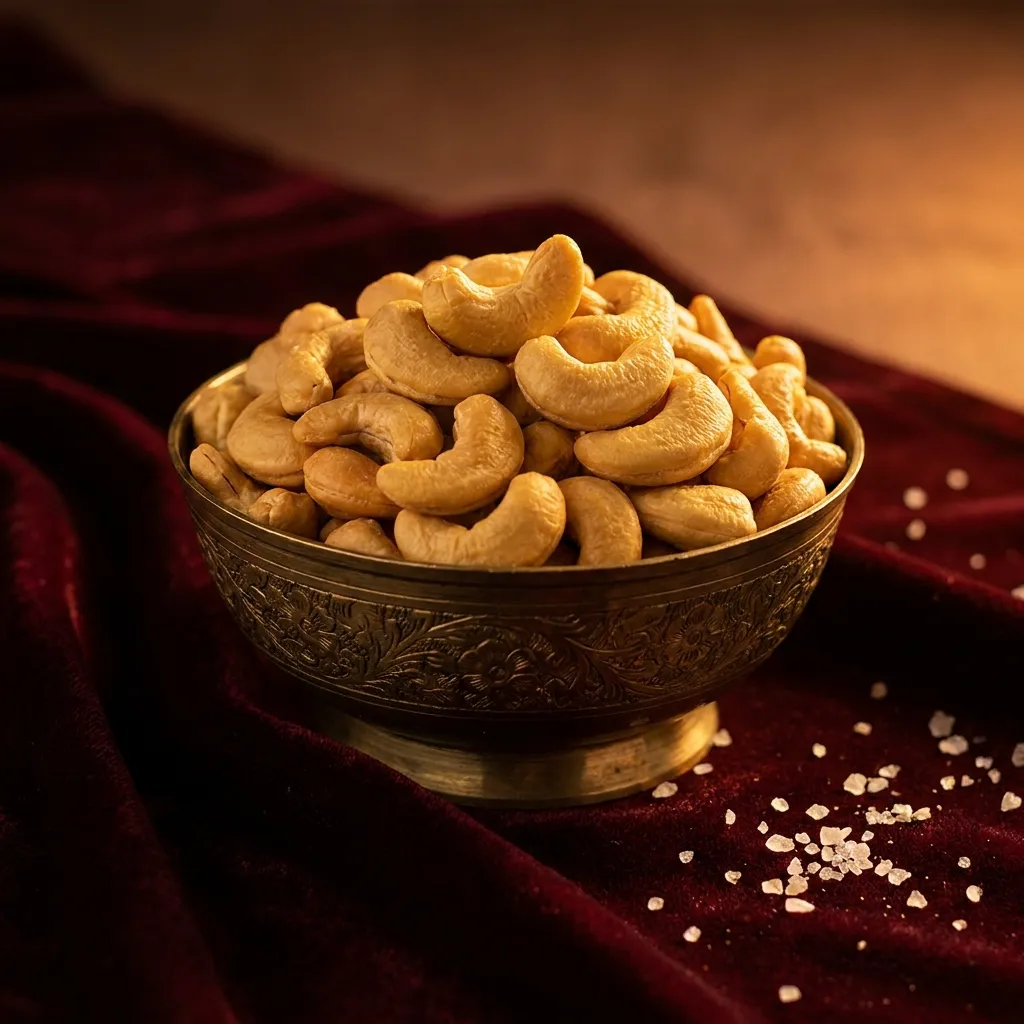
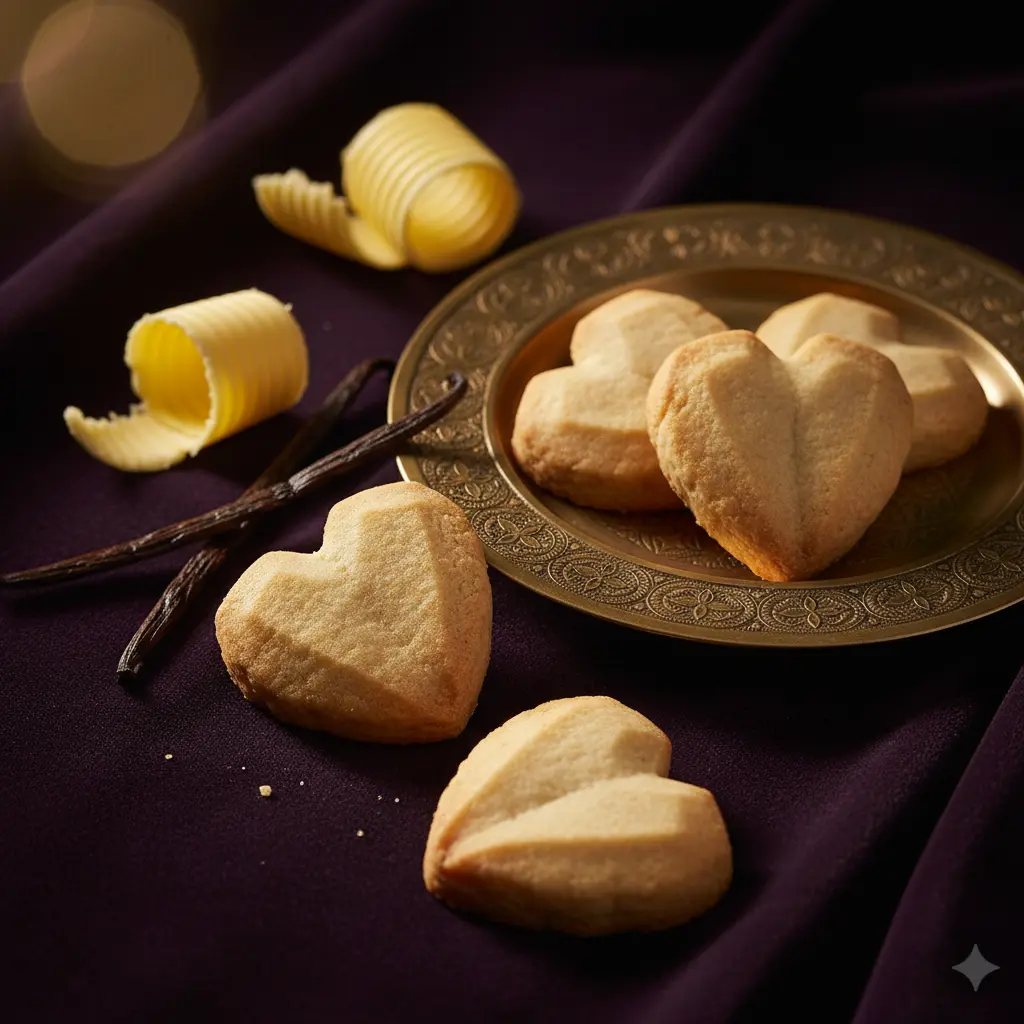
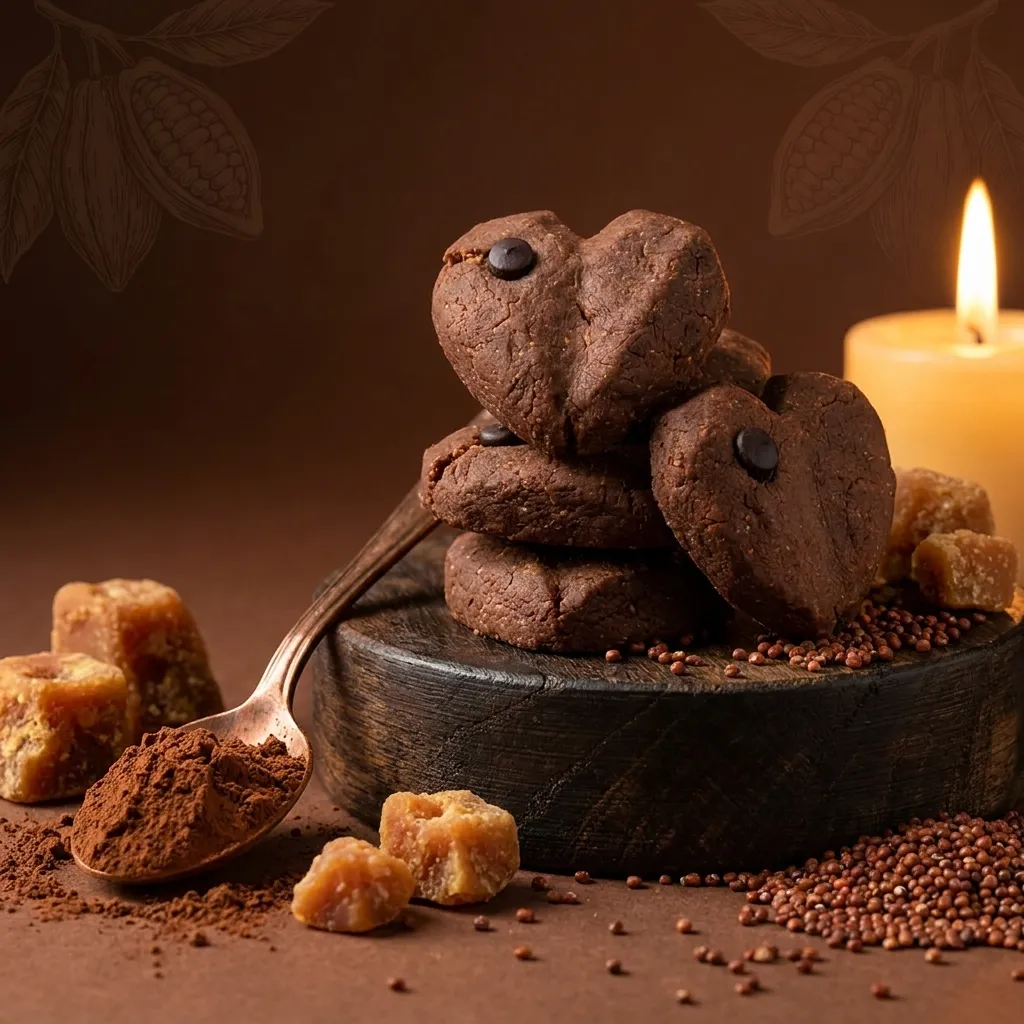
The snack slot is the one we can honestly help with, and it is deliberately the first on that list. Nuts, dates, seeds, jowar, ragi, ghee, jaggery, the ingredient lists are short specifically so that the thing in your drawer at 4 pm is something the previous generation would have recognised as food.
Nothing in the other four requires buying anything from anyone, including us. Those are the higher-value ones and they are free.
Frequently asked questions
What is the easiest traditional eating habit to start with?
Giving snacking a fixed time. It requires no cooking, no change to your shopping and no new skill, and it addresses the habit that has changed most since your grandparents' generation. Most people find genuine hunger arrives in the 4 to 6 pm window, so one planned snack there tends to replace several unplanned ones.
Do I really need to cook everything from scratch?
No, and the all-or-nothing version is usually why people give up. Two scratch-cooked dinners a week is a realistic target, and simple meals count fully, khichdi and dal-chawal included. The value is in reducing how many of your meals arrive with a long ingredient list, not in any particular level of culinary effort.
Is ghee healthy, or is that just nostalgia?
A modest amount on ordinary home food is reasonable, and there is a clear mechanism: vitamins A, D, E and K are fat-soluble, so the body needs some fat in the meal to absorb them. The important word is modest. Using it to justify fried food is not the habit being described, since the traditional practice was a spoon on dal or roti.
Was food in previous generations actually better?
In some specific respects, and it is worth being honest about the rest. Seasonal produce, daily fermented food and meals with real gaps between them hold up well against current evidence. But the cooking labour was enormous and largely fell on women unpaid, shortages were real, and not every traditional food rule survives scrutiny. The sensible approach is to carry forward the practices that do.
Why is it harder to avoid snacking now than it used to be?
Mostly because of environment rather than discipline. Food was not within arm's reach for most of the day in earlier generations, so not grazing required no effort from them. Doing the same thing now means making a deliberate choice repeatedly against constant availability, which is a genuinely different task and not a failure of willpower.
Take the habits, leave the nostalgia
You are not going to run your grandmother's kitchen, and you should not have to. The labour behind it was real and it was rarely fairly shared.
But five of the practices that came out of it were quietly well designed, and four of them cost nothing. Ek se shuru karo, pick the snack slot, and let the rest wait.
Sources
- Hall KD, et al. Ultra-Processed Diets Cause Excess Calorie Intake and Weight Gain: An Inpatient Randomized Controlled Trial of Ad Libitum Food Intake. Cell Metabolism, 2019. pubmed.ncbi.nlm.nih.gov/31105044
- Monteiro CA, et al. Ultra-processed foods: what they are and how to identify them. Public Health Nutrition, 2019: the cosmetic-additive marker test. pubmed.ncbi.nlm.nih.gov/30744710
- ICMR-NIN. Dietary Guidelines for Indians, 2024. nin.res.in/dietaryguidelines
- FSSAI. Food Safety and Standards (Labelling and Display) Regulations, 2020: ingredient order, declared percentages and the nutrition panel. fssai.gov.in
General nutrition information in plain language, not medical or dietary advice. If you have a health condition, an allergy or specific dietary needs, please speak to your doctor or a qualified dietitian.