
Something changed in how India eats, and it changed fast enough that most of us lived through it without particularly noticing. Six numbers tell the story better than any amount of opinion.
A warning before we start: several of these are association, not proof of cause, and we will say so where it applies. Numbers are more useful when nobody is stretching them.
1. From USD 0.9 billion to USD 37.9 billion in thirteen years
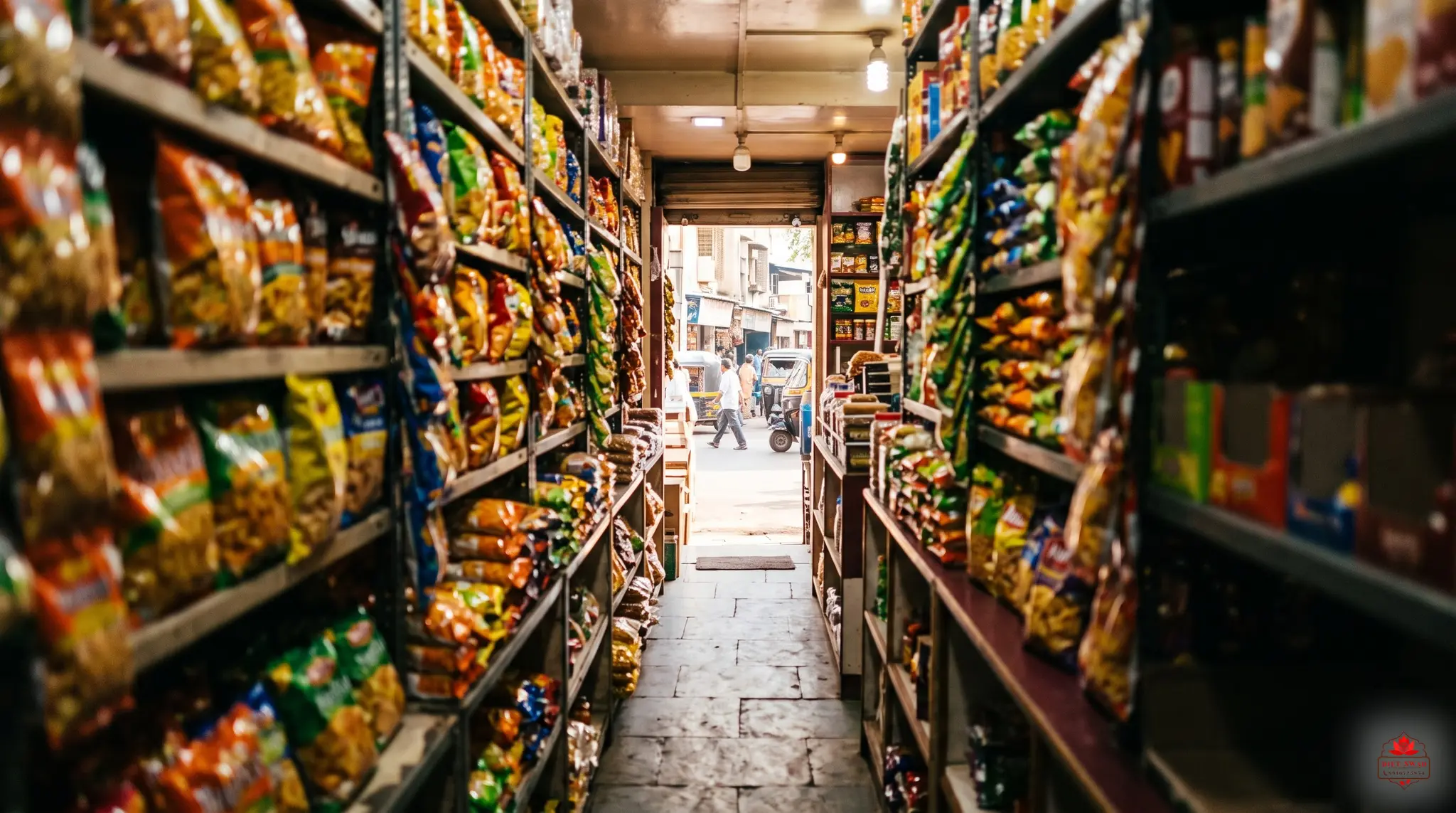
That is the growth in ultra-processed food sales in India between 2006 and 2019, recorded in a 2024 BMC Public Health paper mapping the category.
India is among the fastest-growing markets for this kind of food anywhere. Not the largest, but among the quickest to change.
2. Edible oil: 8.2 kg to 23.5 kg a year, per person
Per-capita edible oil consumption has gone from about 8.2 kg a year in 2001 to roughly 23.5 kg. ICMR's recommended level is around 12 kg a year, so the average is now close to double the guidance.
India is the world's largest importer of edible oil, bringing in roughly 16 million tonnes worth about ₹1.61 trillion in 2024-25. Palm oil is more than half that volume, for the reasons we cover in why packaged food is so cheap: it is inexpensive, stable and long-lasting.
3. 11.4% diabetes, 35.5% hypertension
The ICMR-INDIAB study, published in The Lancet Diabetes & Endocrinology in 2023, surveyed 113,043 people across India. It found diabetes in 11.4% of participants, prediabetes in 15.3%, hypertension in 35.5%, generalised obesity in 28.6% and abdominal obesity in 39.5%.
Scaled up, that is an estimated 101 million people living with diabetes and around 315 million with hypertension.
Now the honest caveat, because it matters: this is a survey of how common these conditions are. It does not, by itself, prove that packaged food caused them. Diet, physical activity, genetics, urbanisation, sleep and air quality are all in the mix. Ye numbers tasveer dikhate hain, wajah nahi batate.

4. Guideline 15 names the foods
The ICMR-NIN Dietary Guidelines for Indians 2024 include Guideline 15, which advises minimising foods high in fat, sugar and salt along with ultra-processed foods. Unusually for a government document, it names categories directly: biscuits, cookies, cakes, pastries, breakfast cereals, cool drinks, health drinks and packaged fruit juices.
It also puts numbers on "high": more than 15% of energy from added oils and fats, and salt intake above 5 g a day.
5. Trans fat capped at 2%, since January 2022
This one is a straightforward success story and deserves saying so. Industrial trans fatty acids are now limited to 2% by mass of total oils and fats in all foods, phased down from 5% under regulations gazetted in 2021 and effective from 1 January 2022.
Trans fat was, for decades, the clearest single problem in industrially produced food. Regulation fixed a large part of it. Not every story here is about decline.
6. Front-of-pack labels: still not here
FSSAI proposed an Indian Nutrition Rating star system in draft form in September 2022, intended to be voluntary for 48 months and mandatory afterwards. It has not come into force.
In August 2026, the Supreme Court directed FSSAI to finalise front-of-pack labelling, with the bench questioning whether the regulator was, in its words, bowing to the manufacturing industry. The proposal references daily limits of 25 g of sugar, 10 g of saturated fat and 5 g of salt.
Until it exists, the back of the pack is the only place with reliable information, which is why we keep writing about how to read an ingredient list.
What to take from all this
Not panic, and not a conclusion that packaged food is uniformly bad. The picture these numbers paint is narrower and more useful than that.
Availability changed enormously. Cheap stable fats and refined flour made a whole category of food inexpensive in a way it had never been. Regulation is lagging behind the market, though it moves. And the label is still doing more work than most people realise, because for now it is the only thing that has to tell you the truth.
What we put on our own labels

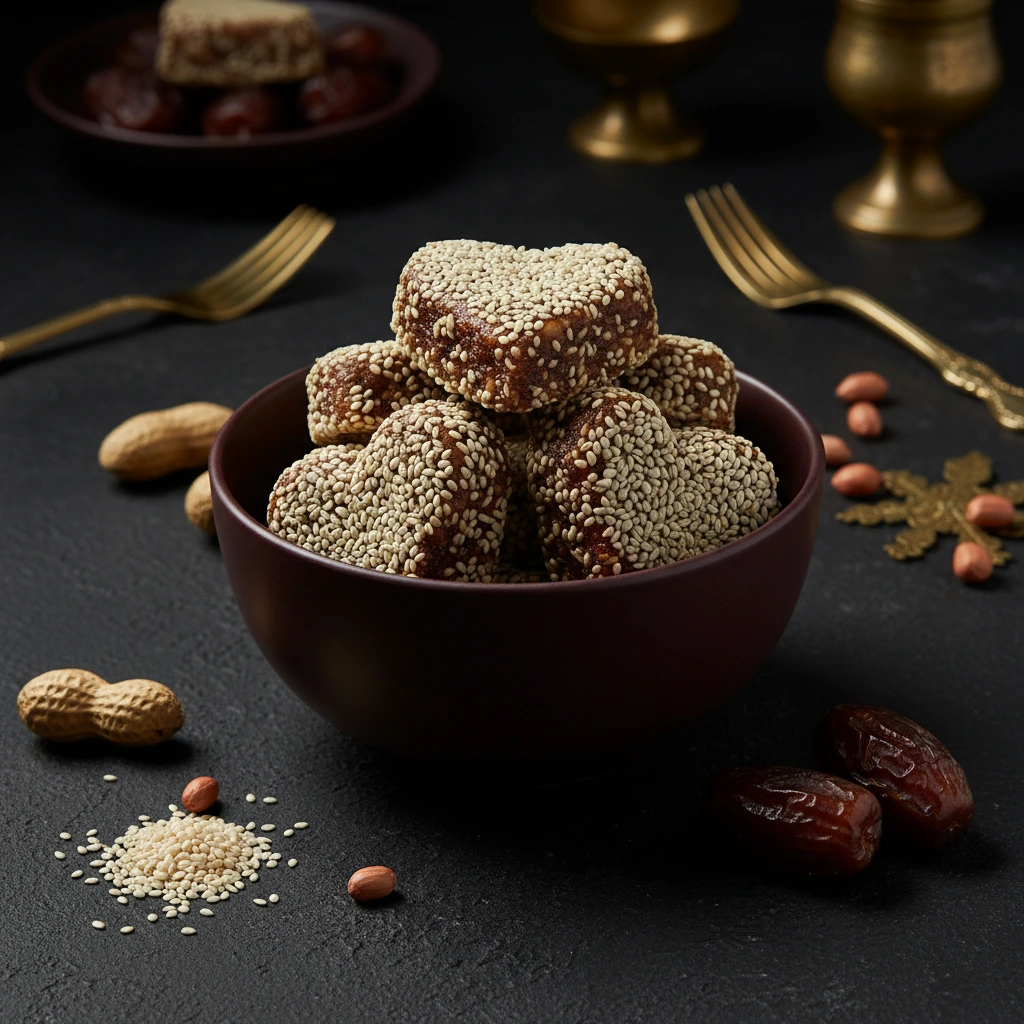
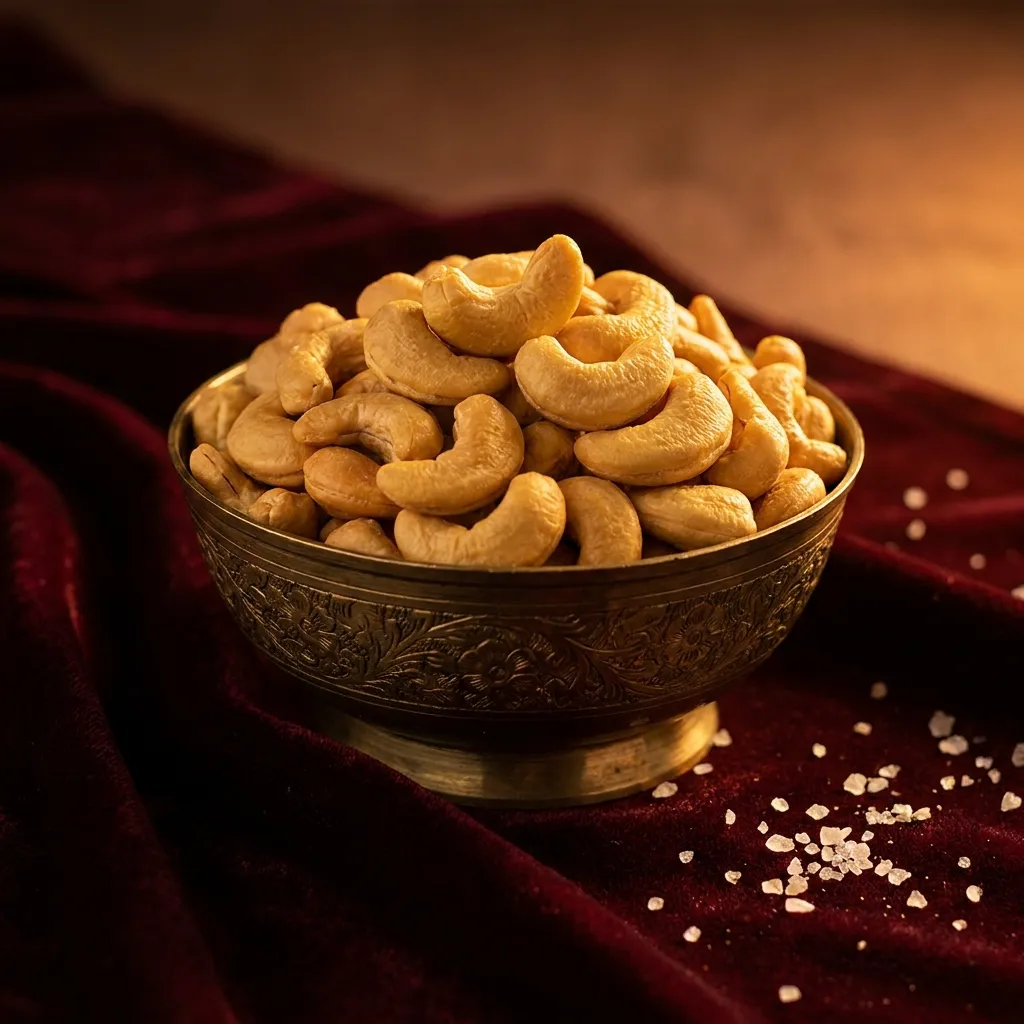

We are a snack company writing about snacking, so treat that for what it is. Our products are calorie-dense and some of them are sweet, which the panel on the back states plainly. The commitment we can actually make is that the number is there and it is correct.
Frequently asked questions
How fast is packaged food growing in India?
Very fast. Research published in BMC Public Health in 2024 records ultra-processed food sales in India rising from about USD 0.9 billion in 2006 to USD 37.9 billion in 2019, one of the steepest increases anywhere.
How much edible oil does an average Indian consume?
Per-capita edible oil consumption has risen from about 8.2 kg a year in 2001 to roughly 23.5 kg. That is close to double the level of around 12 kg a year recommended by ICMR. India is also the world's largest edible oil importer, bringing in roughly 16 million tonnes in 2024-25.
What did the ICMR-INDIAB survey find?
The ICMR-INDIAB study, published in The Lancet Diabetes and Endocrinology in 2023 and covering 113,043 people, reported diabetes in 11.4% of participants, prediabetes in 15.3%, hypertension in 35.5%, generalised obesity in 28.6% and abdominal obesity in 39.5%. It is the largest survey of its kind in India.
Does India have front-of-pack warning labels?
Not yet in force. FSSAI proposed an Indian Nutrition Rating star system in draft form in 2022, and the Supreme Court has since directed FSSAI to finalise front-of-pack labelling, questioning the delay in August 2026. The proposal references daily limits of 25 g of sugar, 10 g of saturated fat and 5 g of salt.
What is the legal limit on trans fat in India?
Industrial trans fatty acids are capped at 2% by mass of total oils and fats in all foods, a limit that took effect on 1 January 2022 after being phased down from 5%. The rule comes from the FSS (Prohibition and Restrictions on Sales) Second Amendment Regulations, 2021.
Twenty years is not very long
The oil number is the one that stays with us. Doubling per-person consumption of anything in a generation is a large change, and it happened quietly, one convenient purchase at a time.
None of it was decided anywhere. It accumulated. Which also means it can accumulate the other way.
Sources
Every figure above is linked here, so you can check any of them without taking our word for it.
- Bhushan C, et al. Mapping ultra-processed foods (UPFs) in India. BMC Public Health, 2024. link.springer.com
- Gavaravarapu SM, et al., via Think Global Health. Curbing India's ultra-processed foods. thinkglobalhealth.org
- Anjana RM, et al. Metabolic non-communicable disease health report of India (ICMR-INDIAB-17). The Lancet Diabetes & Endocrinology, 2023;11(7):474–489. pubmed.ncbi.nlm.nih.gov/37301218
- ICMR-NIN. Dietary Guidelines for Indians, 2024: Guideline 15. nin.res.in/dietaryguidelines
- FSSAI press release, 2021. Industrial trans fat capped at 2% from 1 January 2022. fssai.gov.in
- Business Standard, Nov 2025. Edible oil imports up 22% to ₹1.61 trillion in 2024-25. business-standard.com
- Business Standard, Aug 2026. Supreme Court pulls up FSSAI over delay in front-of-pack warning labels. business-standard.com
Prevalence surveys show how common a condition is, not what caused it. Nothing above establishes that packaged food caused these outcomes.