
The simplest rule for a school tiffin is this: pack something slow plus something with protein or fat in it, and keep the sweet thing as one item rather than the whole box. A snack built that way carries a child to the next meal. A snack built on refined flour and sugar gives them twenty good minutes and then a slump in the middle of class.
That is the theory, and the theory is the easy part. The hard part is a child who opens the box, looks at what you packed, and closes it again. So this is written for that reality, not for an ideal one.
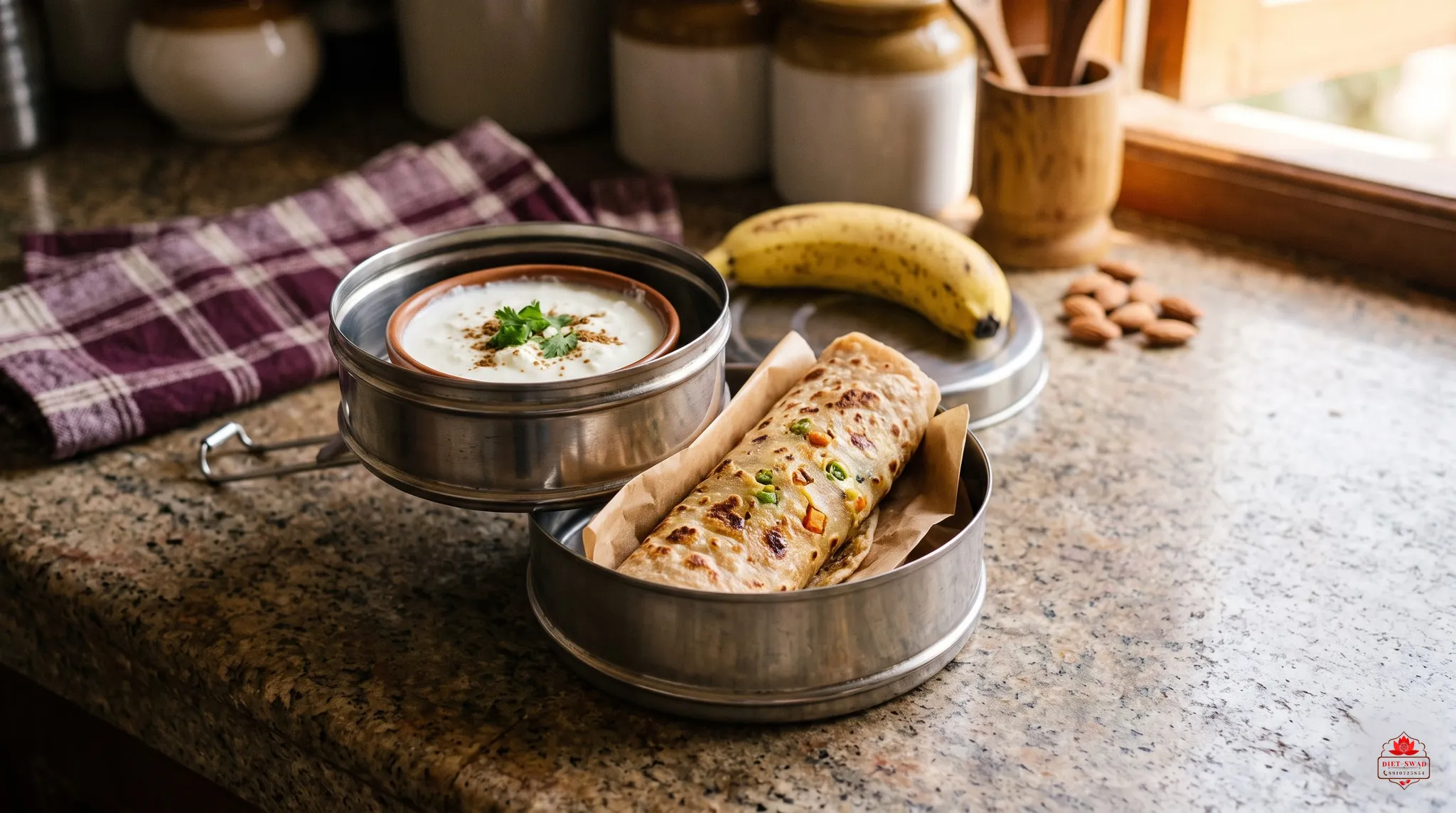
Bacche Ka Clean Tiffin: 5-Day Guide
The red flags on kids' snack packs, a full five-day tiffin plan laid out as a table, portion sizes by age, and the no-tantrum tactics for switching a child over without a daily argument.
Download the guide (PDF)Free, no sign-up, opens straight away.
Why the mid-morning slump happens
You do not need any biology for this, just one idea. Some foods release their energy quickly and some release it slowly.
A snack made mostly of refined flour and sugar is the quick kind. The energy arrives almost at once, the body deals with it, and a while later the child is emptier than before. That is the 11 o'clock fidget, the "I'm hungry" at the wrong time, the crankiness on the way home.
Slow foods are whole grains, fruit that still has its fibre, nuts, seeds, curd, eggs, chana. Add a little fat or protein to any of them and the release slows down further. That is the entire trick, and it is why an ordinary paratha with curd outperforms most things sold in a shiny wrapper.
The pairing rule. Never send a sweet thing alone. Pair it with something that has protein or fat, a few nuts, some curd, a boiled egg, a piece of cheese. Same sweet, very different afternoon.
What to actually look for on a kids' snack pack
Snacks aimed at children are designed to be picked up by children and paid for by parents, so the pack talks to both. Ignore all of it and read the back. Ingredients are printed heaviest first, so the first three are most of what is in there.
Four things worth noticing:
- Refined wheat flour first. This is maida under its formal name. If it leads the list, the snack is a maida snack whatever else the pack says.
- Sugar wearing several hats. Syrup, dextrose, maltodextrin, fruit juice concentrate and invert sugar are all sugars. Splitting one sweetener into four smaller entries pushes each one lower down the list without changing the total.
- "Edible vegetable oil". A category, not a named ingredient, which lets the maker change oils with the market price. When a brand is proud of its oil, it names it.
- Added vitamins as the headline. Fortifying a biscuit is not a bad thing, but when it is the main selling point on the front, it is usually compensating for what the biscuit is made of.
Cartoon characters, sports figures and the word "natural" are not regulated the way parents assume. Peeche padha, samajh aa gaya.
A five-day tiffin plan that is not exhausting
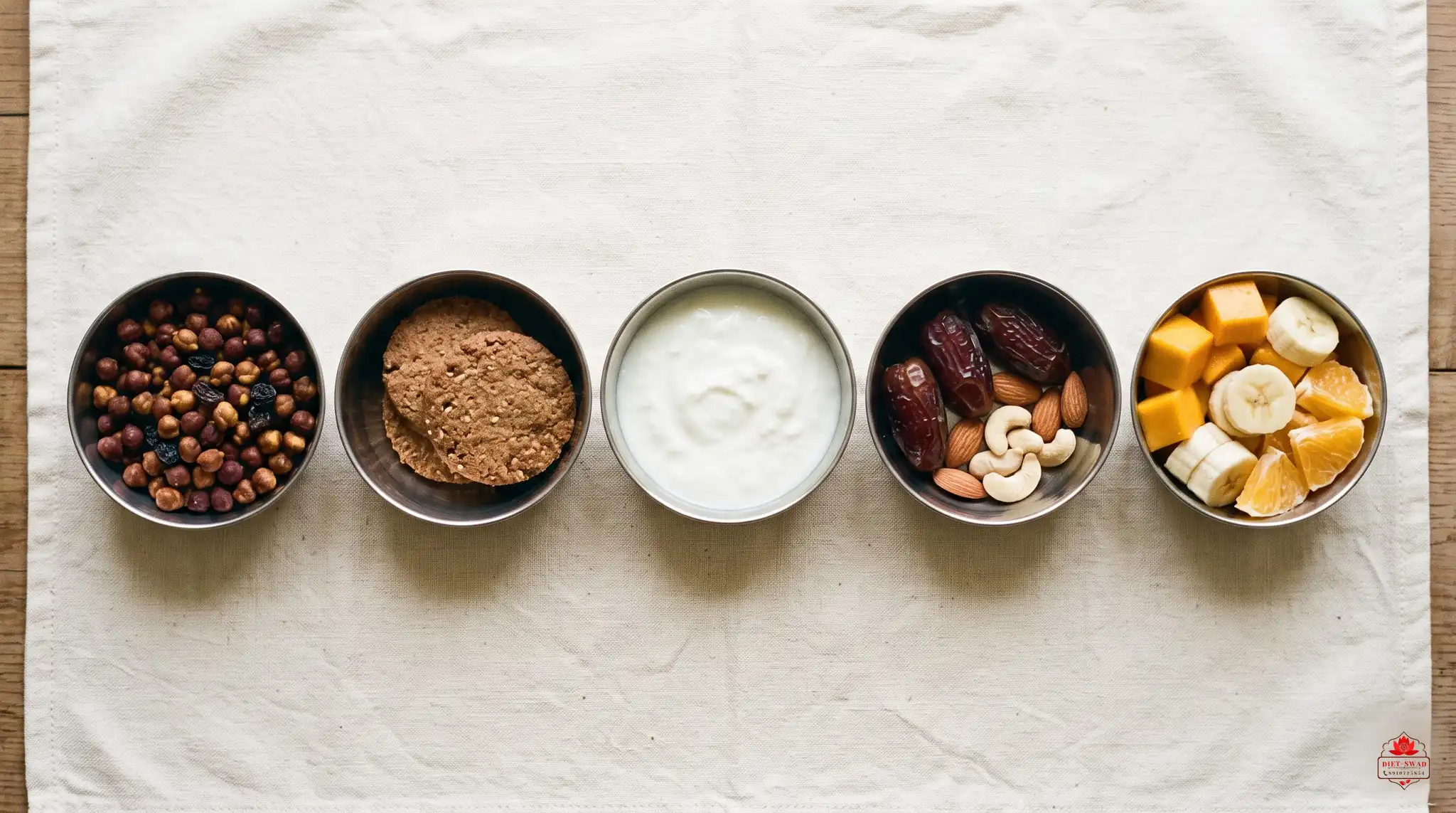
The point of a plan is to remove the 7 a.m. decision, not to add cooking. Each day here is one slow item plus one protein or fat item, with a small sweet on two of the five days.
- Monday. Vegetable paratha rolled around a little curd, plus a small orange or a few grapes.
- Tuesday. Roasted chana with a few raisins, plus a banana.
- Wednesday. Two millet cookies with a small box of curd or a glass of milk at home before school.
- Thursday. Idli or thepla from the previous night, plus a handful of nuts if the school allows them.
- Friday. One date-and-nut bite plus a fruit, since Friday is the day to make the box a little fun.
Rotate the fruit and you have four weeks before anything repeats exactly. The downloadable guide sets this out as a proper table, which is easier to stick on a fridge than a paragraph is.
How much is a portion?
The easiest measure is the child's own cupped hand, because it grows as they do. One cupped handful of a dense snack such as nuts or bites, plus a fruit, suits most primary-school children. Older children need noticeably more, and a child who comes home starving is telling you the box was too small, not that they are misbehaving.
Two honest cautions. Nut and seed snacks are energy-dense, so a portion is a portion and not an open packet. And if your child has any food allergy or a medical condition, your doctor's advice beats anything written here.
Changing the box without a daily fight
This is the part most articles skip, and it is the part that decides whether any of it works.
- Change one item, not the whole box. Keep a familiar favourite in there while the new thing is being judged.
- Test at home first. A new snack on a calm Sunday is a taste test. The same snack sent to school untested is a gamble with a hungry child.
- Let them choose between two. Both options are yours, so the choice is real but the outcome is fine either way.
- Expect several tries. Most first refusals are about surprise, not taste. A food often needs to show up calmly a number of times before it is accepted.
- Do not make it a moral issue. "This one keeps you going till lunch" lands better than a lecture about health, at every age.
Tiffin-friendly, and short enough to read out loud
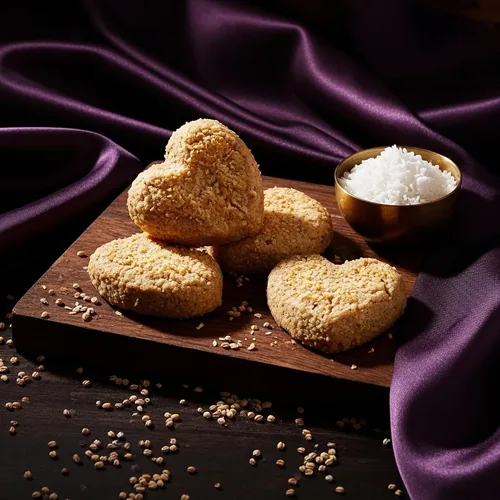
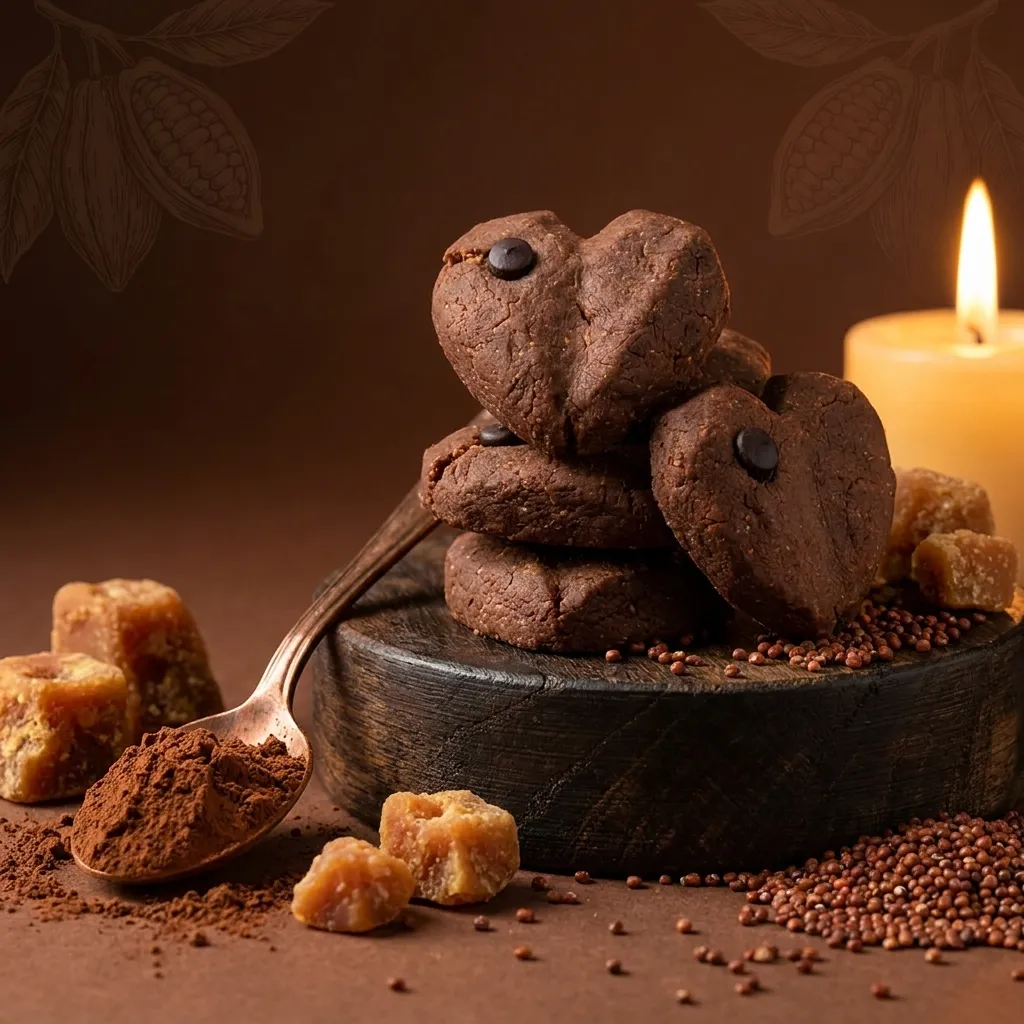
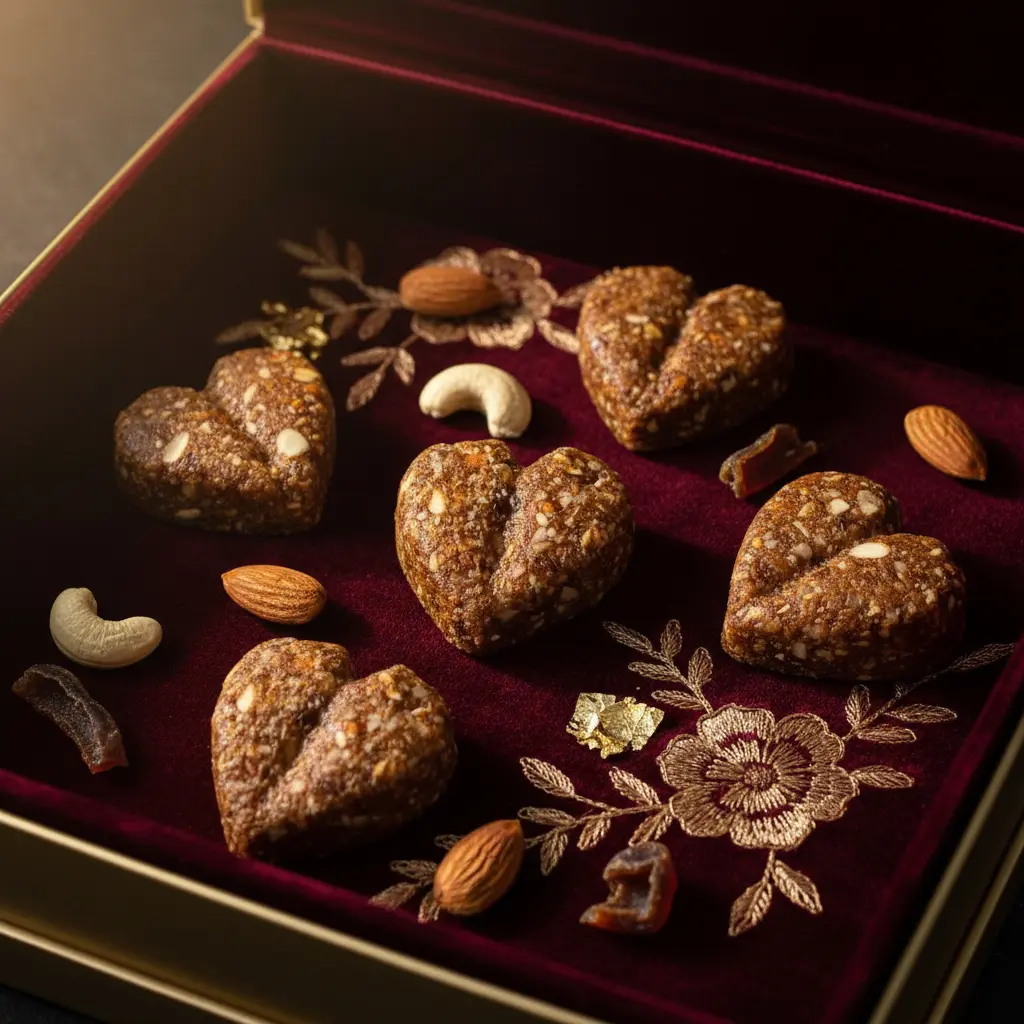
A note in fairness: our bites and cookies contain nuts, milk and, in some products, sesame or peanuts. Every pack lists its allergens plainly. If your child's school is nut-free, or your child has an allergy, read the pack before it goes anywhere near a tiffin box.
Frequently asked questions
What are healthy snacks to pack in a child's tiffin box?
Aim for something that combines a slow carbohydrate with a protein or a fat, because that combination stays with a child longer than a plain sweet snack. Roasted chana, a paratha roll, curd, fruit with nuts, a home-baked cookie made from millet flour, or a date-and-nut bite all work well. Rotate them so the box does not become predictable.
How do I know if a kids' snack pack is actually healthy?
Turn the pack over and read the first three ingredients, since ingredients are listed heaviest first. If refined wheat flour, an unnamed vegetable oil or a sugar leads the list, the snack is mostly that. Cartoon characters, added vitamins and the word natural on the front tell you nothing reliable.
How much should a child eat in a snack?
A rough guide is a cupped handful of the child's own hand, which scales naturally with age. For most primary-school children that means around 20 to 30 grams of a dense snack such as nuts or bites, plus a fruit. Older children need more. Hunger at the next meal is a better guide than any number.
My child refuses anything healthy. How do I change the tiffin without a fight?
Change one item at a time and keep one familiar favourite in the box while you do it. Introduce a new snack at home first, on a relaxed day, instead of sending it to school untested. Most refusals are about surprise rather than taste, and a food usually needs several calm exposures before a child accepts it.
Are cookies ever acceptable in a school tiffin?
Yes, as one item and not the whole box, and the ingredient list decides the rest. A cookie built on a whole grain flour with a real fat and an unrefined sweetener behaves differently from one built on refined flour and a cheap oil. Pair it with a fruit or a protein so the snack is not sugar alone.
Good enough, five days a week
No child eats perfectly and no parent packs perfectly. The box that works is the one you can actually manage on a Tuesday morning when everyone is late.
So pick one item to change this week. Just one. Ek cheez, ek hafta. Next month you will look at the box and realise most of it changed without anyone making a scene about it.
Two related reads: how to read a snack label covers the back-of-pack check in more detail, and are millet cookies actually healthy applies it to the cookie aisle specifically.
Sources
- ICMR-NIN. Dietary Guidelines for Indians, 2024: Guideline 15 on foods high in fat, sugar and salt. nin.res.in/dietaryguidelines
- Gavaravarapu SM, et al., via Think Global Health. Curbing India's ultra-processed foods: on advertising aimed at children. thinkglobalhealth.org
- FSSAI. Advisory on "100%" claims on food labels and advertisements, May 2025. fssai.gov.in
General information about food, not medical or dietary advice. If your child has a food allergy or a medical condition, follow your doctor's guidance.