
General information, not medical advice. Magnesium supplements can cause problems for people with reduced kidney function and interact with some medicines, so that is a conversation for a doctor. Sources are listed at the end.
The clearest way to think about magnesium is this: calcium tells a muscle to contract, and magnesium is needed for it to let go afterwards. They work as a pair, pulling in opposite directions, which is why magnesium gets described as a natural muscle relaxant.
That is one job among hundreds. Magnesium takes part in a very large number of enzyme reactions, including energy production, nerve signalling and blood glucose regulation. But the muscle-relaxation role is the one that makes the rest of this article make sense.
Where it is, in ordinary Indian food
Nothing unusual is needed here. Magnesium is abundant in exactly the foods that used to be dietary defaults.
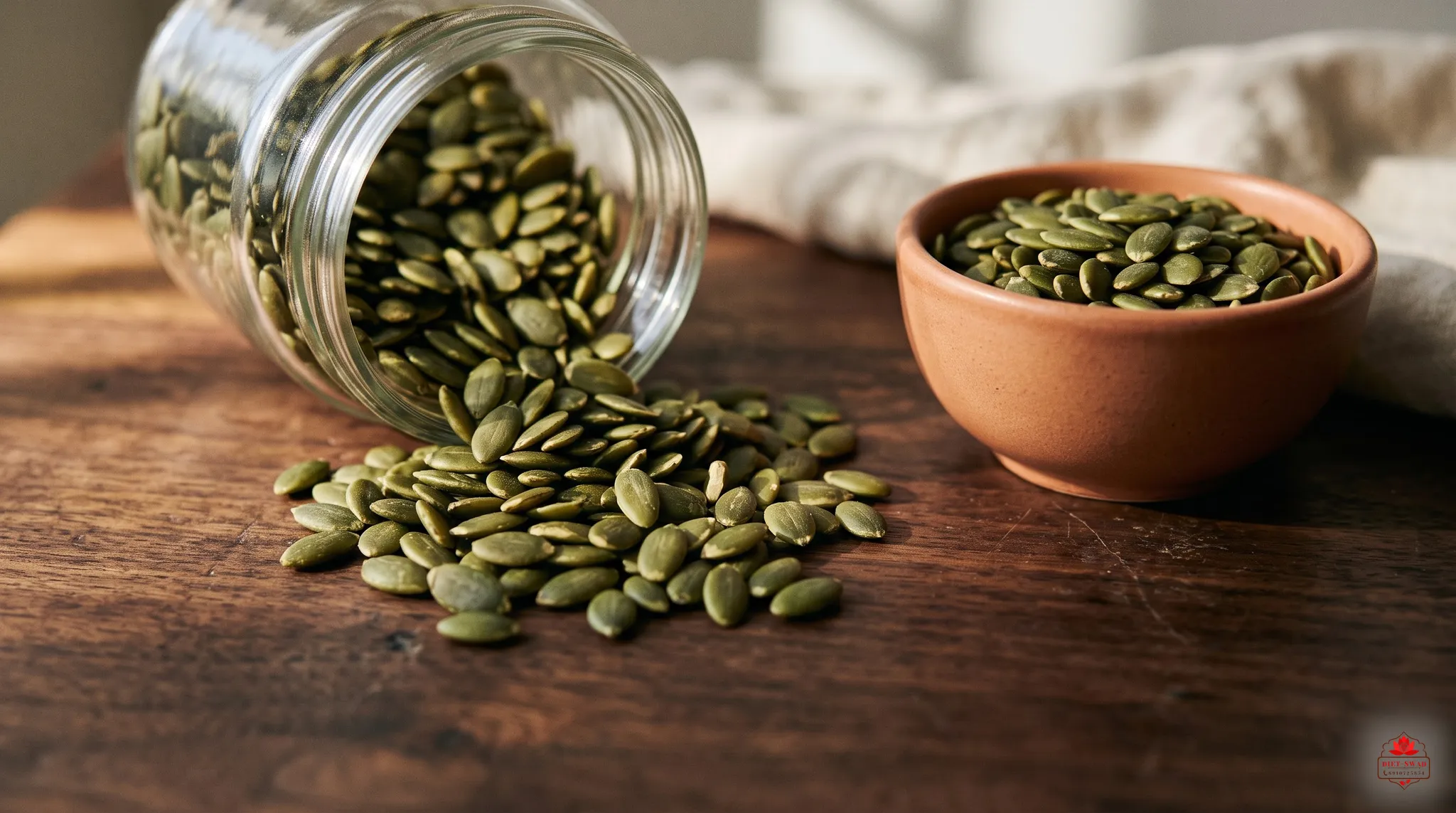
- Pumpkin seeds. Among the densest sources available, at roughly 150 mg per 30 g.
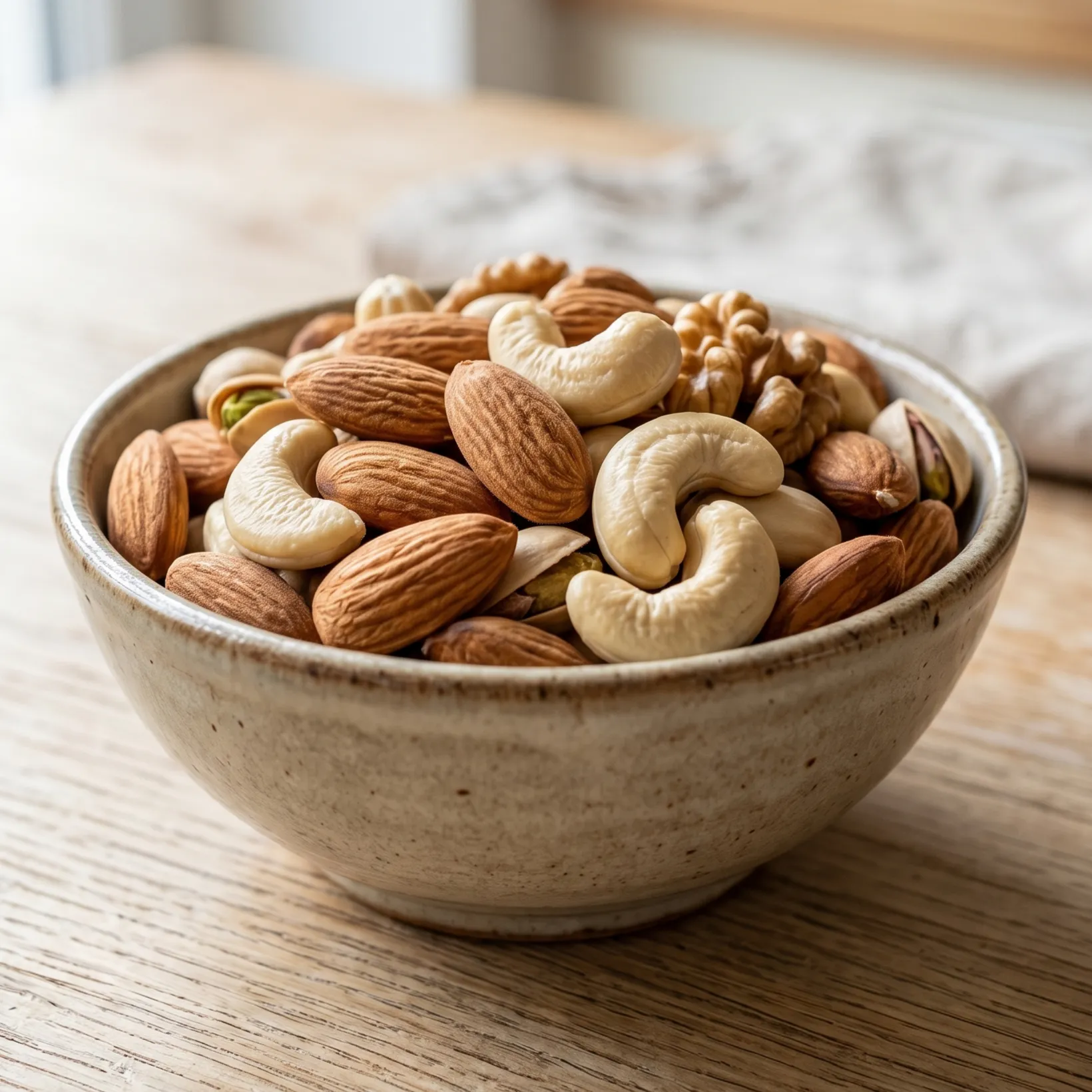
- Nuts. Almonds, cashews and peanuts are all solid contributors.
- Sesame seeds. Til, in laddoos, chutneys or sprinkled on anything.
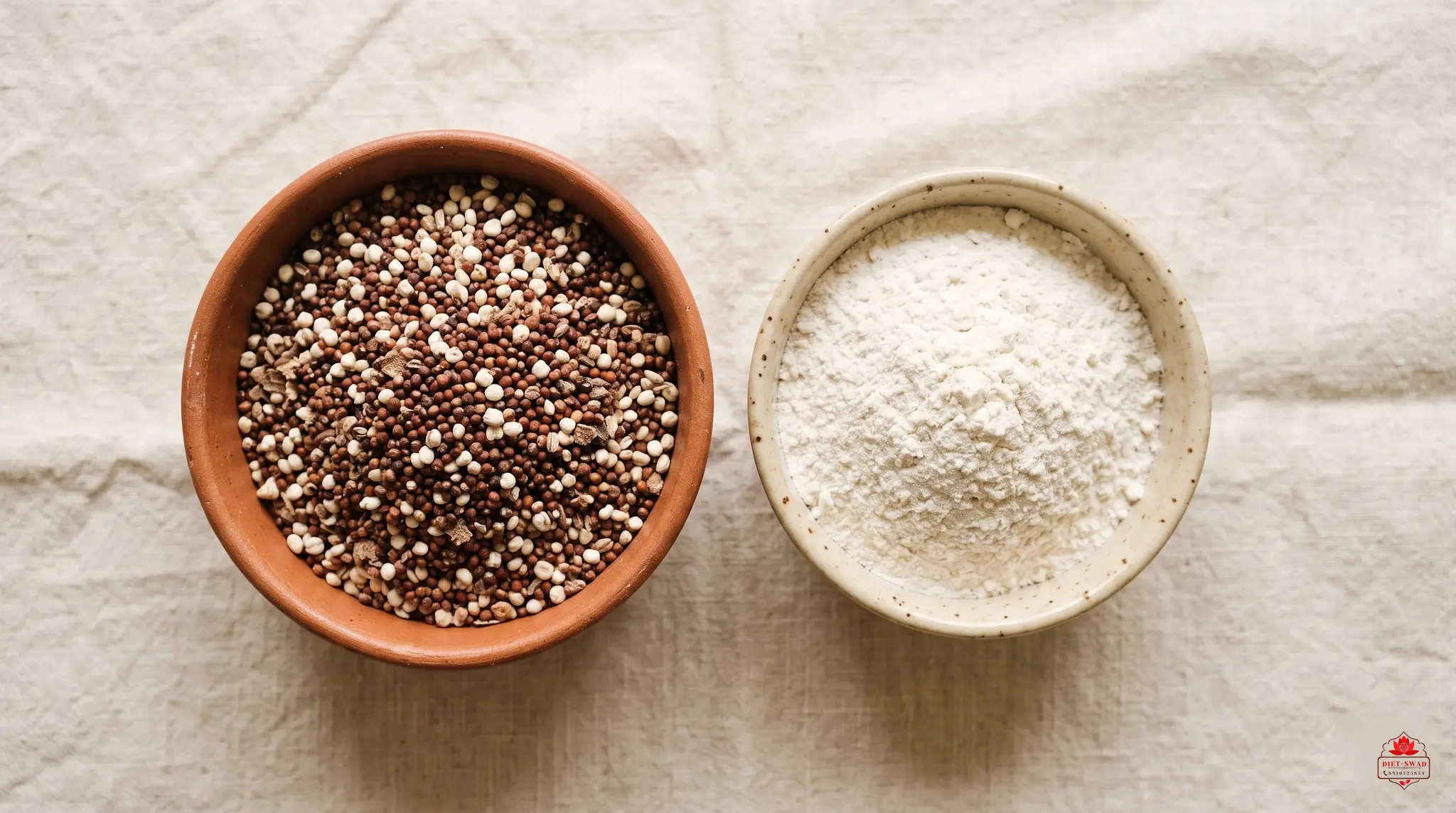
- Millets. Ragi, bajra and jowar considerably outperform polished rice.
- Dals and pulses. Rajma, chana, whole moong.
- Dark leafy greens. Magnesium sits at the centre of the chlorophyll molecule, which is a pleasing reason green vegetables carry it.
- Cocoa. Plain cocoa is genuinely rich in magnesium. This is not, sadly, a general argument for chocolate, because most chocolate is mainly sugar and fat.
- Bananas. Modest per fruit, but easy and everywhere.
Why refining matters here. Most of a grain's magnesium sits in the bran and germ, and those are precisely the parts removed to make refined flour. So maida carries far less than whole wheat, and polished rice far less than millet. Nothing was added to make refined flour worse; something was taken out.
Magnesium, cramps and PMS: what the research says
This is where care is needed, so we will be precise about what is known and what is not.
The mechanism is well established. Magnesium opposes calcium-driven muscle contraction, and the uterus is a muscle, so the biological rationale for investigating magnesium in menstrual pain is a real one.
Several clinical trials have examined magnesium for premenstrual symptoms, including studies combining magnesium with vitamin B6. Vitamin B6 is involved in neurotransmitter synthesis and appears to improve how well magnesium is taken up by cells, and trials testing the combination have generally reported better results than either nutrient alone. One double-blind, placebo-controlled trial of 126 women with severe PMS found the combination produced the largest reduction in total PMS scores.
Now the honest limits. These trials are mostly small. Findings vary between them. And a plausible mechanism plus some promising trials is not the same as established fact, which is why this remains an area of active research rather than a settled recommendation. Anyone thinking about supplementation should discuss it with a doctor rather than acting on a summary like this one.
Why intake tends to slip
Nobody decides to eat less magnesium. It happens as a side effect of other changes.
- Millets and whole grains gave way to polished rice and maida in a great many Indian kitchens
- Whole seeds and nuts became occasional, not daily
- Snacks moved from chana, til and peanuts toward refined-flour packaged food
Each swap made sense at the time, usually for convenience or cost. The magnesium simply left with the bran. Kuch banaya nahi gaya, bas nikal diya gaya.
Practical, without a shopping trip
- Keep a small jar of pumpkin seeds where you can see it and add a spoon to curd, poha or salad
- Swap one roti a day to ragi or bajra instead of changing everything at once
- Make til chutney or til laddoo, which is the traditional answer and still the best one
- Have a dal every day, which most Indian households already do
- Choose plain nuts as a snack over a refined-flour biscuit
Food first, and food is enough for most people. Supplements are a medical decision, not a lifestyle one.
Composition note on what we use
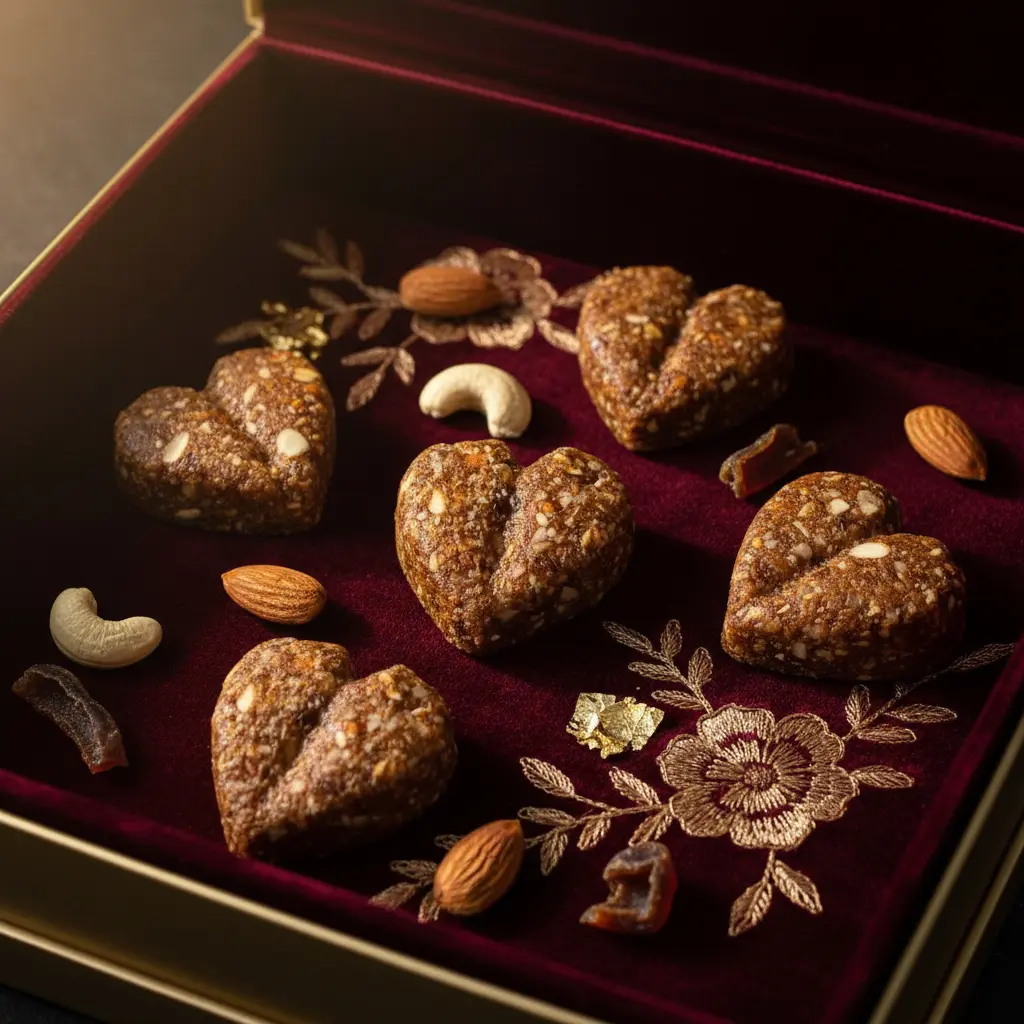
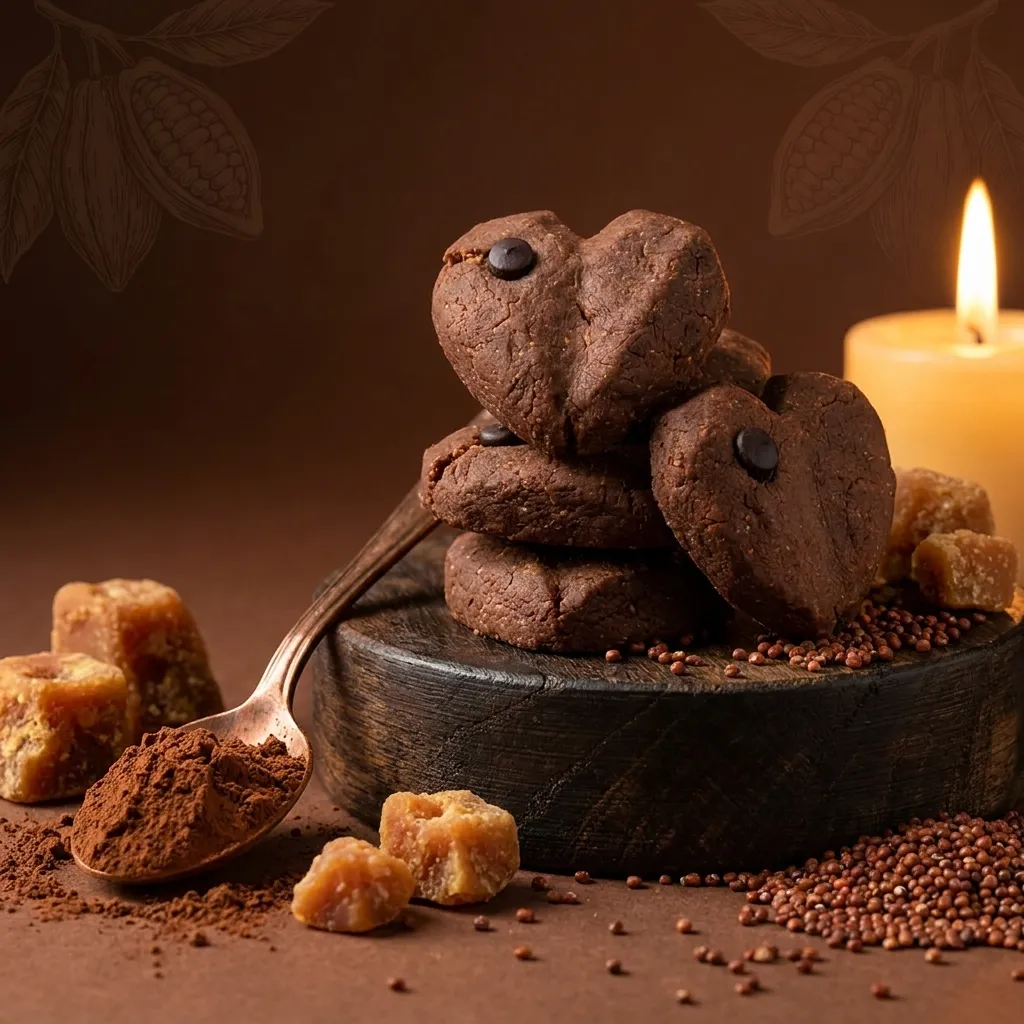
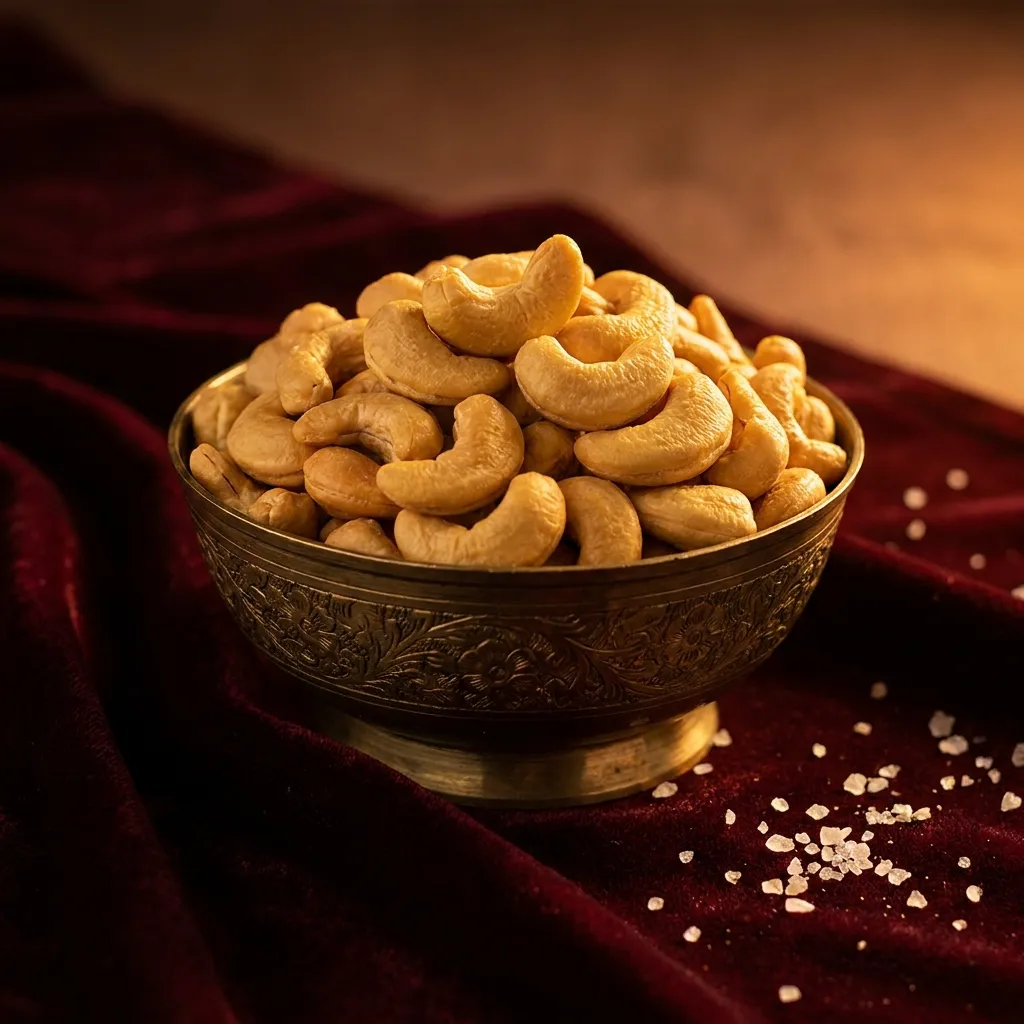
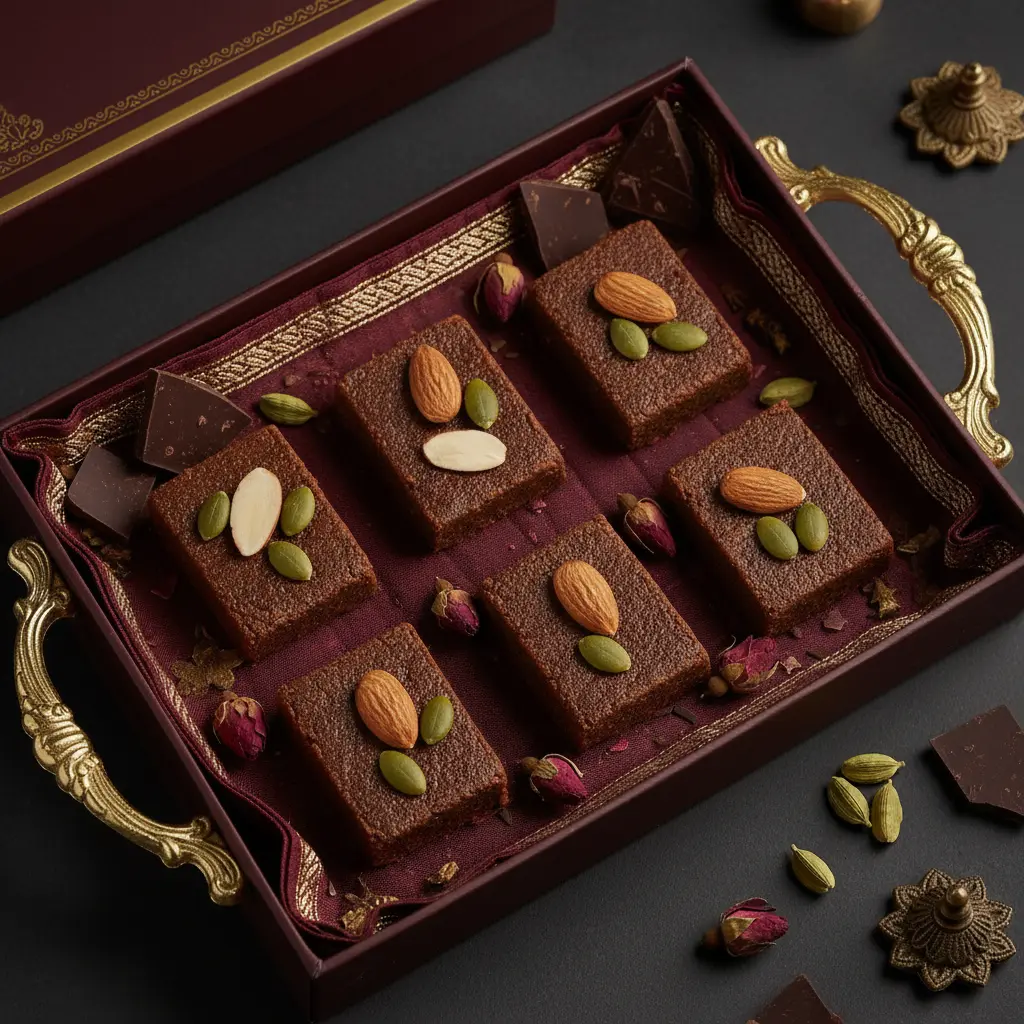
A note on ingredients, not a health claim. We have not measured the magnesium content of these products and make no claim about it. They contain seeds and millets, and that is the entire assertion.
Frequently asked questions
What does magnesium do in the body?
Magnesium takes part in hundreds of enzyme reactions, including those involved in energy production, nerve signalling and blood glucose regulation. In muscle it works opposite calcium: calcium drives contraction and magnesium is needed for the muscle to relax again afterwards, which is why it is often described as a natural muscle relaxant.
Which Indian foods are rich in magnesium?
Pumpkin seeds are among the richest, at roughly 150 mg per 30 g. Other good everyday sources include almonds, cashews, peanuts, sesame seeds, ragi, bajra, jowar, rajma, chana, dark leafy greens, bananas and plain cocoa. Whole grains generally carry far more than refined ones.
Why do refined grains have less magnesium?
Most of a grain's magnesium sits in the bran and germ, which are exactly the parts removed during refining. That is why maida contains substantially less magnesium than whole wheat flour, and why millets and whole grains are better sources than polished rice or refined flour.
Does magnesium help with PMS?
Some clinical research has examined magnesium, alone and combined with vitamin B6, in relation to premenstrual symptoms, and several trials have reported improvements. The studies are generally small, so this is an area of ongoing research, not settled fact. Anyone considering supplementation should speak to a doctor rather than acting on trial summaries.
Should I take a magnesium supplement?
Most people can meet their needs from food, and food is the sensible place to start. Supplements are a medical decision, since excess magnesium can cause digestive problems and can interact with certain medicines and with reduced kidney function. Ask a doctor before starting one.
It was already in the food
The thing about magnesium is that no one has to be sold it. It is in dal, in til, in ragi, in a handful of nuts. It was in the ordinary Indian diet before anyone knew its name.
Mostly this is a story about what refining removed, and how easily a spoon of seeds puts some of it back.
Related reading: why period cramps happen explains the muscle side, and iron-rich Indian foods covers the other mineral in this conversation.
Sources
- Fathizadeh N, et al. Evaluating the effect of magnesium and magnesium plus vitamin B6 supplement on the severity of premenstrual syndrome. pmc.ncbi.nlm.nih.gov/articles/PMC3208934
- Ebrahimi E, et al. Effects of Magnesium and Vitamin B6 on the Severity of Premenstrual Syndrome Symptoms. pmc.ncbi.nlm.nih.gov/articles/PMC4161081
- De Souza MC, et al. A synergistic effect of a daily supplement of magnesium plus vitamin B6 for anxiety-related premenstrual symptoms: a randomised, double-blind, crossover study. pubmed.ncbi.nlm.nih.gov/10746516
- Magnesium: Exploring Gender Differences in Its Health Impact and Dietary Intake. pmc.ncbi.nlm.nih.gov/articles/PMC12251677
- [Magnesium: a new therapeutic alternative in primary dysmenorrhea]. pubmed.ncbi.nlm.nih.gov/2675496
The magnesium and B6 trials above are small and their findings vary. Diet Swad makes no magnesium claim for its products.