
Peanuts are a good everyday food. They give you plant protein, mostly unsaturated fat, fibre and a set of useful minerals, and they cost a fraction of what almonds and cashews cost. Whether a peanut snack is a good idea comes down to what was done to it, not to the peanut.
Also, and this explains half the confusion around them: a peanut is not a nut. It is a legume, in the same family as beans and lentils. Moongphali, technically dal ke khandaan se.
Peanuts Ka Poora Sach
What peanuts really provide, why being a legume rather than a nut matters for allergies, four myths dropped, the right way to eat them, and a clearly marked peanut allergy safety section.
Download the guide (PDF)Free, no sign-up, opens straight away.
Peanut allergy: please read this first. Peanut allergy is common and can be severe, and reactions can follow very small amounts. If you or your child has a known or suspected peanut allergy, avoid peanuts and anything labelled as containing them or as possibly containing traces of them, and follow the plan your doctor has given you. Nothing in this article is medical advice or a reason to test a reaction.
Legume, not nut, and why that matters
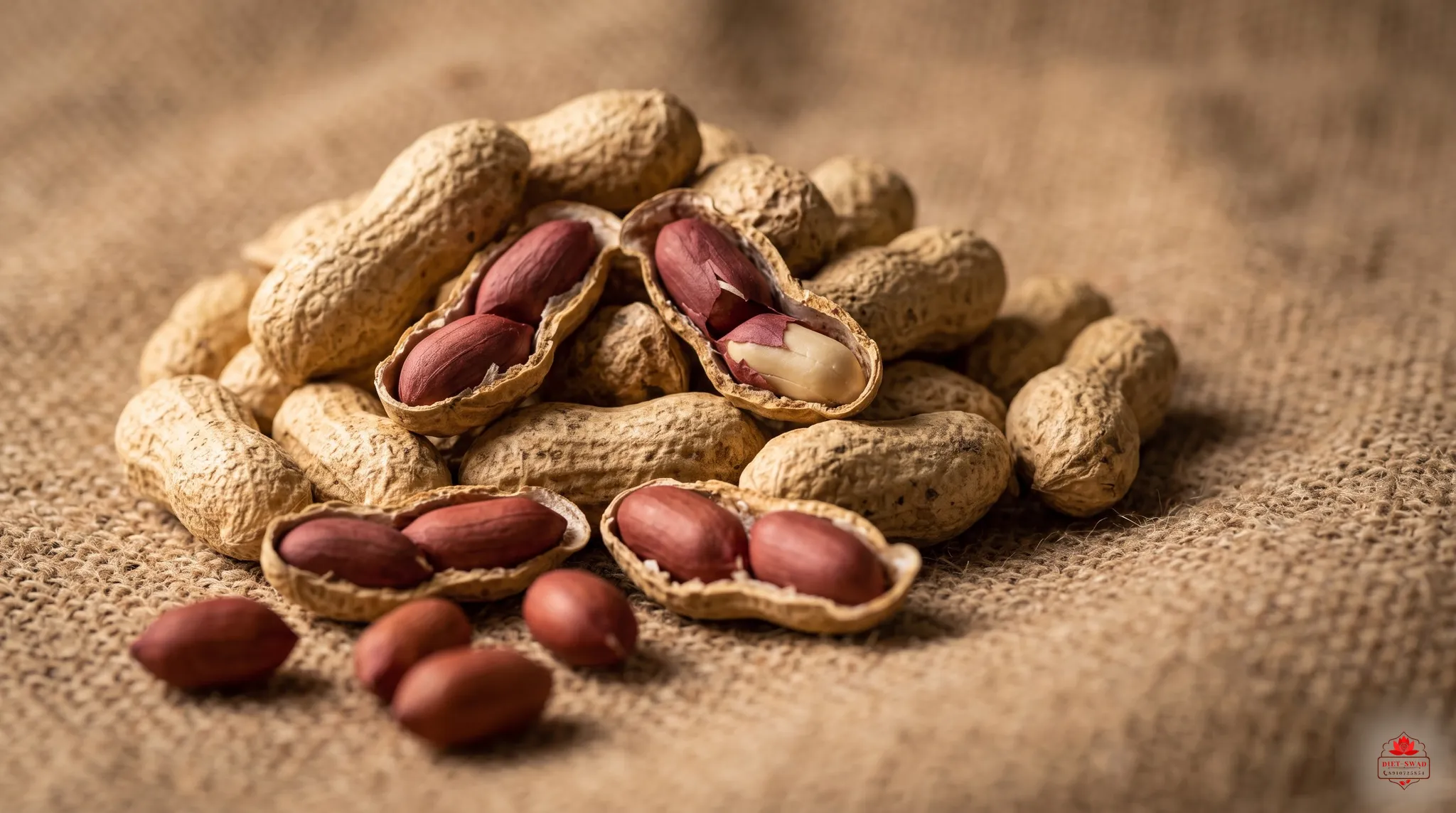
Almonds, cashews and walnuts grow on trees. Peanuts grow underground in a pod, like peas. Botanically they belong with beans and lentils, which is why they behave a little differently from tree nuts in the kitchen and on a label.
The practical consequence is about allergies. A peanut allergy and a tree nut allergy are two separate things. Someone can have one and not the other, which is exactly why food labels list them separately. If you are reading a pack on behalf of an allergic person, read both lines.
What peanuts actually give you
- Plant protein. One of the better sources among everyday Indian foods, and considerably cheaper than the tree nuts it gets compared with.
- Mostly unsaturated fat. The kind found in olive oil and almonds. Peanuts are a high-fat food, and most of that fat is the sort dietary guidance is generally positive about.
- Fibre. Part of why a handful is filling in a way that a biscuit of the same size is not.
- Minerals and B vitamins. Including magnesium and phosphorus, plus vitamin E.
Put plainly, a handful of peanuts is a real snack. It occupies you, it fills you, and it is not pretending to be food.
Four myths worth dropping
Myth one: peanuts make you fat
No single food does that. Peanuts are energy-dense, so a large amount adds up fast, but they are also filling, which usually reduces what you eat elsewhere. The genuine risk is not the peanut, it is the packet. Eating straight from a big packet while distracted is how a handful becomes four.
Myth two: peanuts are the poor man's almond
They are cheaper. That is a fact about farming and supply, not about quality. Peanuts hold their own on protein and healthy fats, and the price difference is a reason to eat them more often rather than to think less of them.
Myth three: roasted peanuts are unhealthy
Dry roasting is fine. What changes the picture is deep frying in oil, heavy salting, or a coating of sugar or spice mix. The cooking method is doing the damage there, not the peanut. Bhuna hua alag hai, tala hua alag.
Myth four: peanut butter is automatically healthy
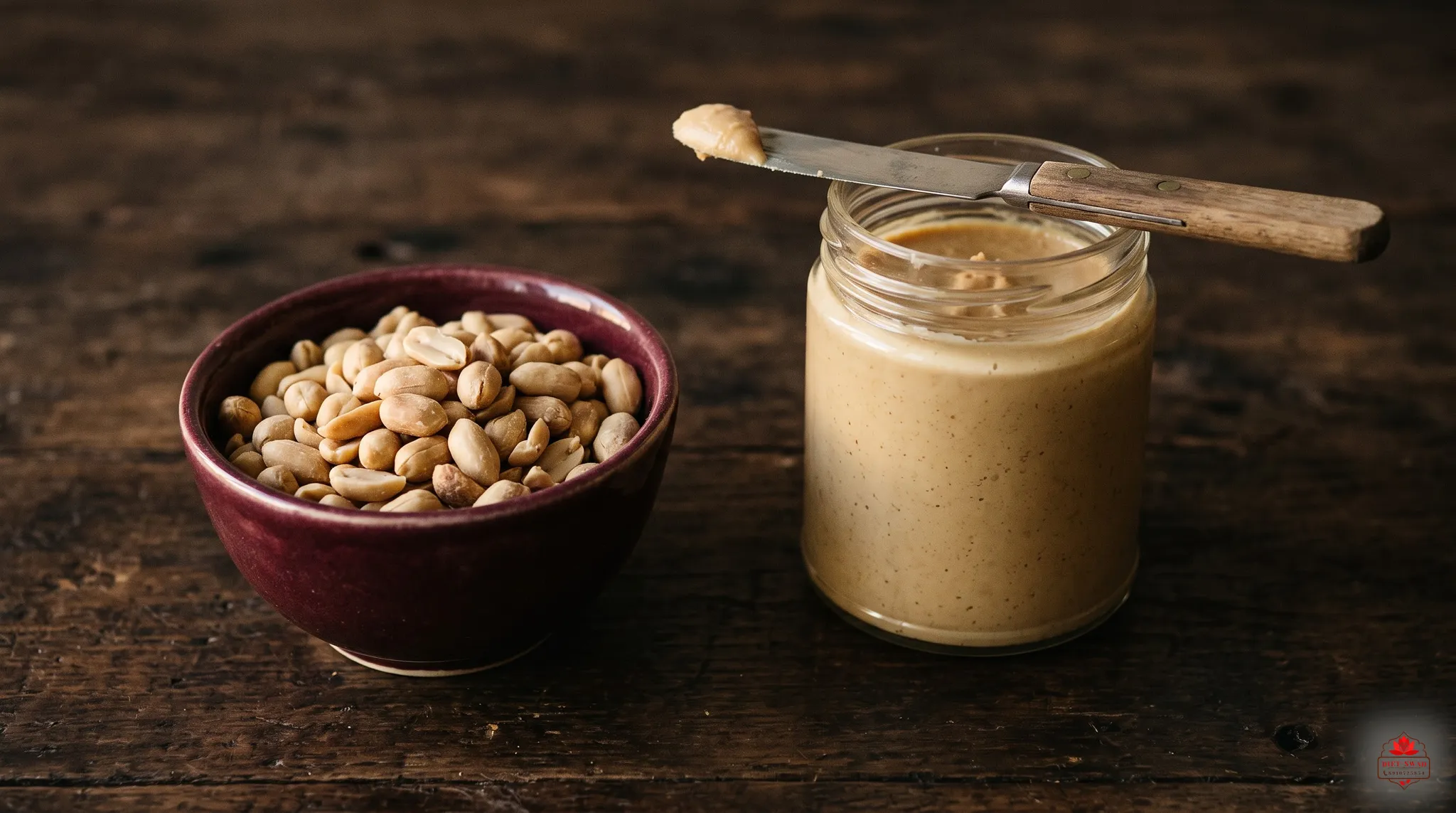
It depends entirely on the jar. A peanut butter whose ingredient list reads "peanuts, salt" is very close to peanuts. One that adds sugar, palm oil and a stabiliser is a different product with the same name. Turn it over and read the list, since ingredients are printed heaviest first.
How to eat them sensibly
- A handful is about 30 g. Decant it into a bowl. This one habit does more than any rule about what to buy.
- Prefer dry-roasted or plain over fried and coated. Same food, very different snack.
- Pair them with something. Peanuts with a fruit, or in a chaat, or with jaggery in a chikki, all work better than peanuts alone as a meal replacement.
- Watch the salt if you are watching salt. Salted versions can carry a lot, and it is easy to miss.
- Store them properly. Cool, dry, sealed. Peanuts go stale and rancid, and a bitter or musty peanut should be thrown away rather than eaten.
Where peanuts do the work in our range
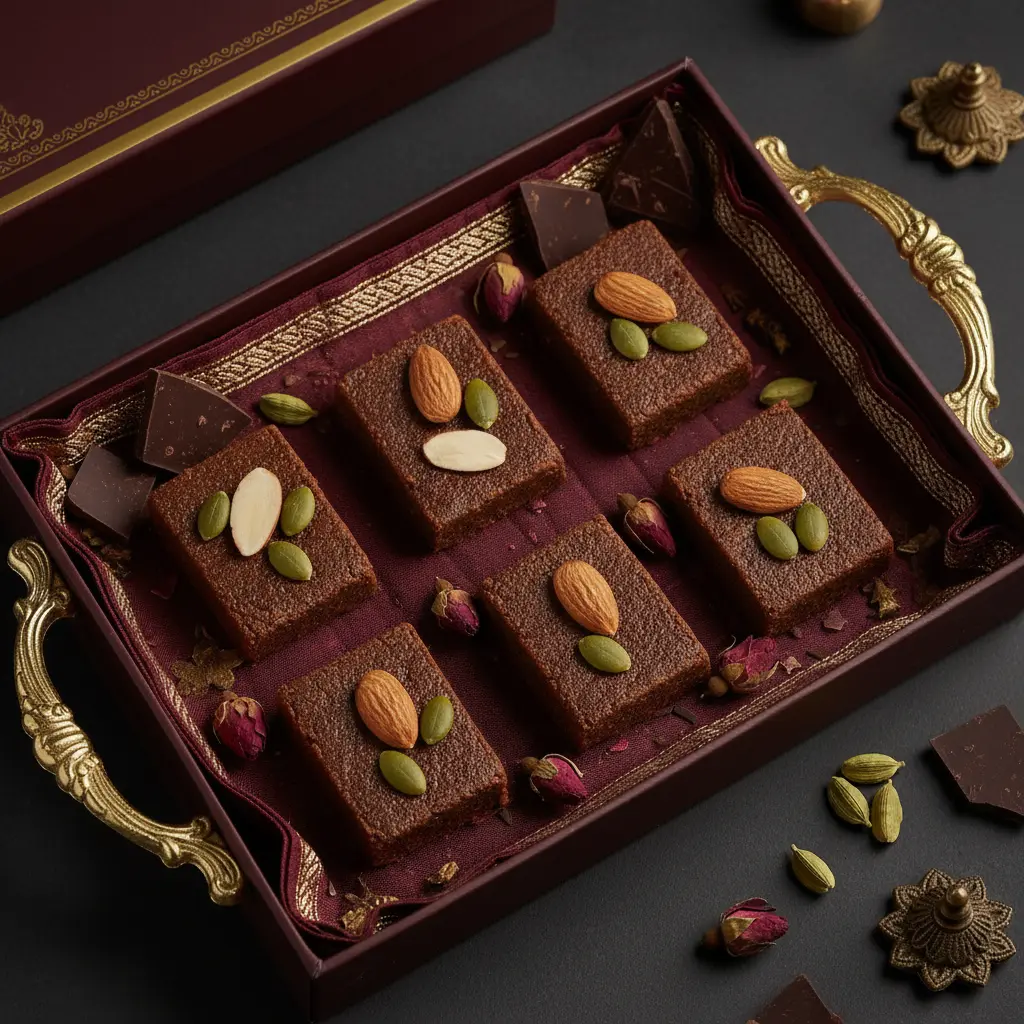
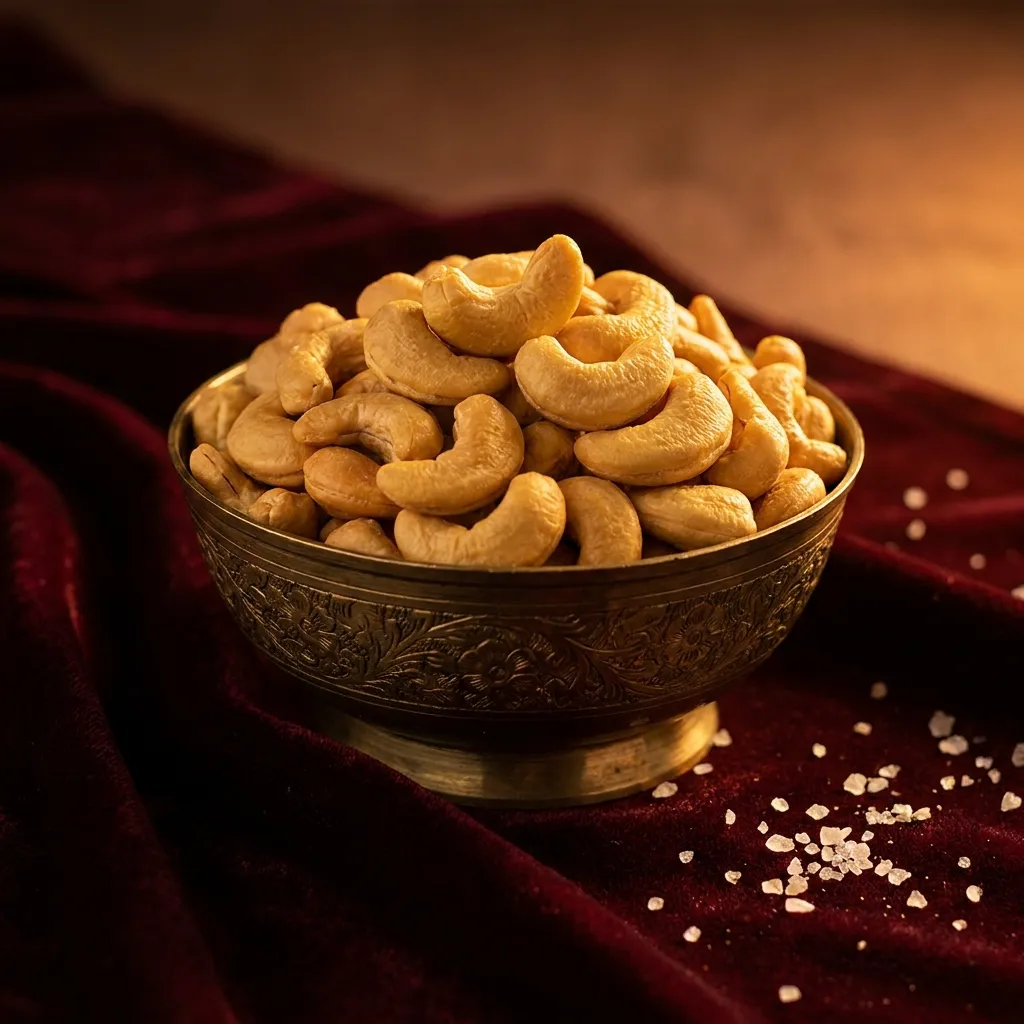
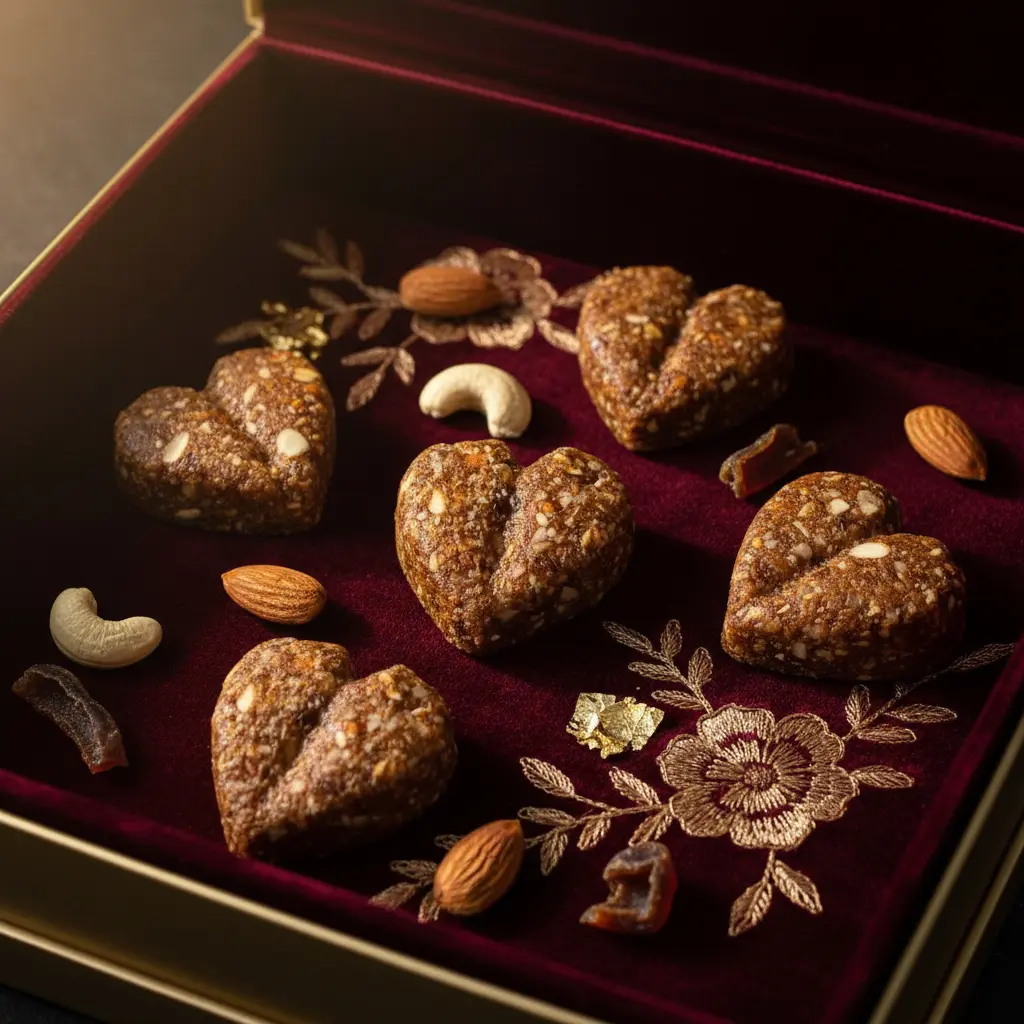
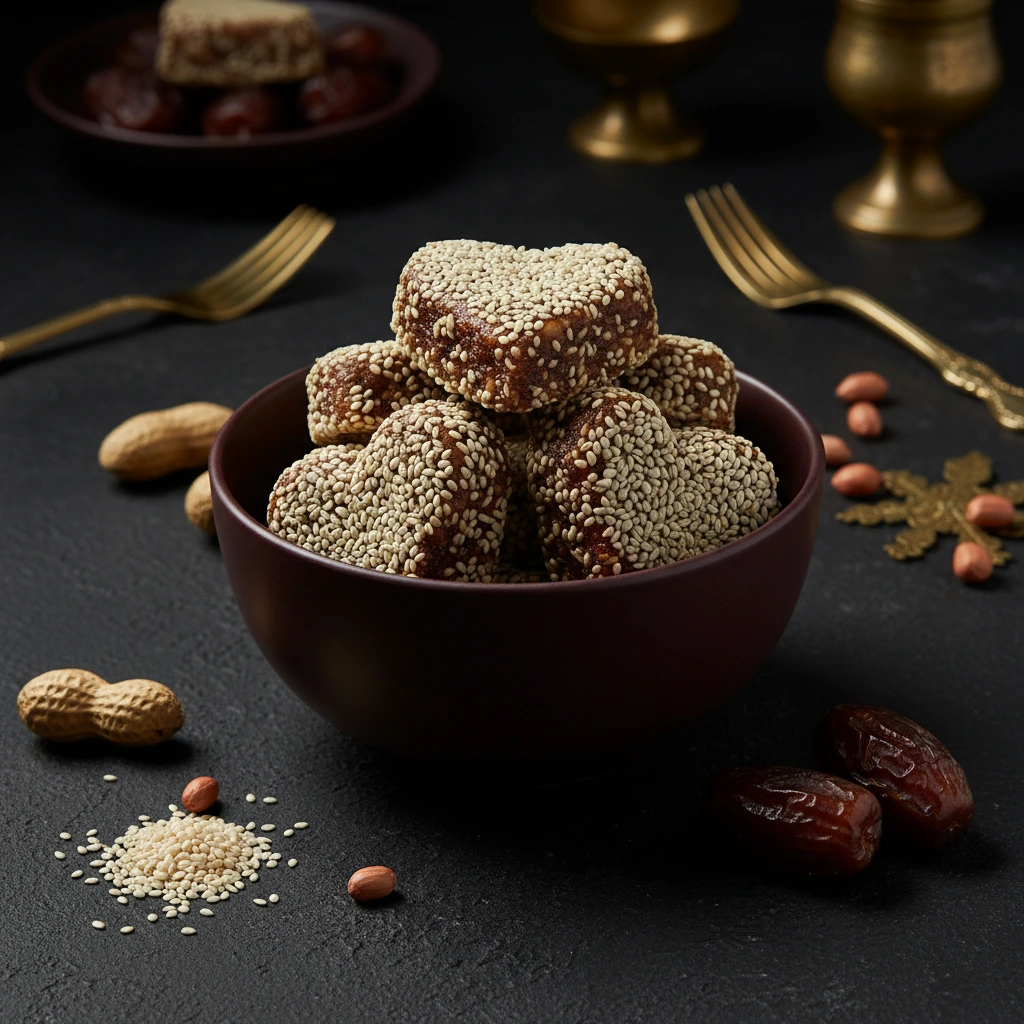
Being precise about this, because it matters to someone: Peanut-Sesame Delights and Royal Bites contain peanuts. Power Bites and Roasted Cashews do not, but they are made in the same facility, so their packs carry a "may contain traces" line. If you are shopping for an allergic person, that line is the one to read, not this paragraph.
Frequently asked questions
Are peanuts actually healthy?
Peanuts are a genuinely useful everyday food. They provide plant protein, mostly unsaturated fat, fibre and several minerals, at a lower price than most tree nuts. What decides whether a peanut snack is a good choice is how it has been prepared, since deep frying, heavy salting and sugar coating change the picture considerably.
Are peanuts nuts or legumes?
Peanuts are legumes. They grow underground in pods and belong to the same family as peas, beans and lentils, unlike almonds or cashews which grow on trees. This matters for food labelling, because a peanut allergy and a tree nut allergy are separate things and someone may have one without the other.
Do peanuts make you gain weight?
No food causes weight gain on its own. Peanuts are energy-dense, so a large quantity adds up quickly, but they are also filling, which tends to reduce how much else you eat. Eating them in a measured handful rather than straight from a large packet is the practical difference.
How many peanuts should I eat in a day?
A handful of roughly 30 grams is a sensible daily portion for most adults. Decanting that amount into a bowl works far better than eating from the packet, because peanuts are easy to keep eating without noticing. If you have a medical condition, follow your doctor's guidance instead.
How serious is a peanut allergy?
A peanut allergy can be severe and, in some people, life-threatening, and reactions can follow very small amounts. Anyone with a known or suspected peanut allergy should avoid peanuts and any product that says it contains them or may contain traces of them, and should follow the plan given by their doctor. This is a medical matter, not a preference.
An ordinary food, treated fairly
Peanuts have spent years being talked down as the cheap option and talked up as a superfood, and neither was ever true. They are a solid, affordable, filling food that most people can enjoy in a handful without thinking about it much.
Buy them plain, keep them sealed, eat them from a bowl. Aur agar allergy hai, toh bilkul nahi, koi shortcut nahi.
Related reading: how to read a snack label is the skill that settles the peanut butter question, and what to eat before a workout covers where a handful fits.
Sources
- USDA FoodData Central: protein, fat and fibre composition for peanuts. fdc.nal.usda.gov
- ICMR-NIN. Dietary Guidelines for Indians, 2024: on nuts, oilseeds and fat quality. nin.res.in/dietaryguidelines
- FSSAI. Advisory on "100%" claims on food labels and advertisements, May 2025. fssai.gov.in
General information, not medical advice. Peanut allergy can be severe: anyone affected should follow their doctor's plan and avoid peanuts and products declaring traces of them.